
TL;DR

Get business pricing on tech for your team
- Business-only prices and quantity discounts
- Tax-exempt purchasing
- Multiple users, one account, clear invoices
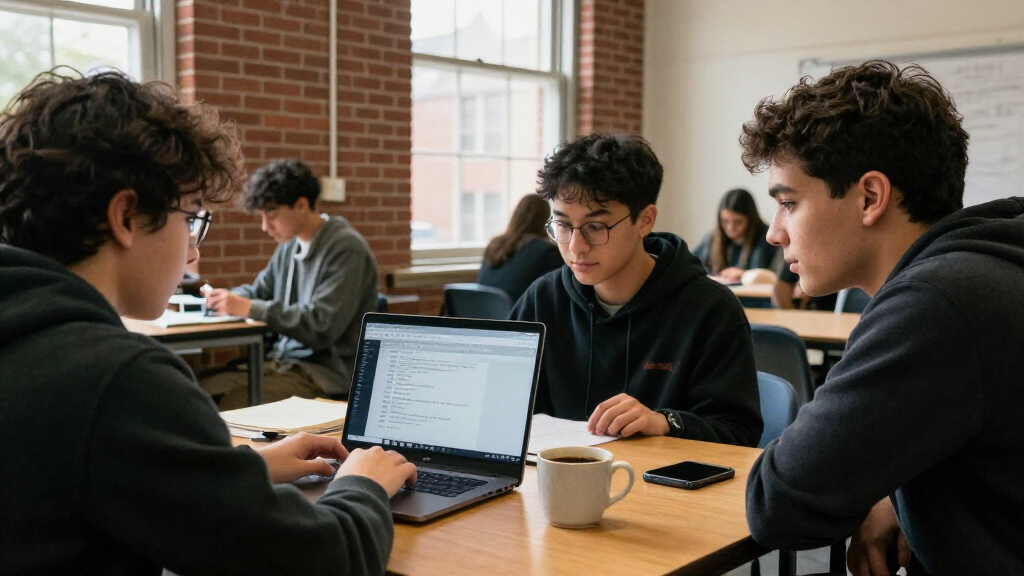
The available report is a Harvard Crimson headline saying Harvard students are putting expanded access to Anthropic’s Claude to use in classes and personal projects. The article body was unavailable, so the scope of access, student experiences, university policies and any measurable effects cannot be confirmed.
The headline identifies two settings for Claude use: classwork and personal projects. It describes the access as expanded, but does not say how many students received it, which Claude plan or model is involved, when access began, or whether it is available across Harvard or through particular courses.
No student, instructor or university statements are available in the material provided. There are also no examples of assignments or projects, usage figures, or findings about learning outcomes. The headline establishes the topic of the report, while the details behind the expansion and students’ accounts remain unverified here.
Campus technology · Report snapshot
Harvard Students Put Expanded Claude Access to Use
The Harvard Crimson headline says students are using expanded access to Anthropic’s Claude in classes and personal projects. The available report details stop there: the program, student experiences, policies and effects remain unconfirmed.
01 / The development
One tool, two different contexts
The headline describes broader Claude access being put to use across classwork and personal projects. Each setting has different expectations, but the available material does not explain how students are using the assistant in practice.
Rules may vary by class
Permitted AI use can depend on an instructor’s guidance and the assignment. No course policies, assignments or faculty perspectives are included in the supplied report text.
Student-directed projects
Students may decide how to use Claude for personal projects, but the headline gives no examples, project descriptions or accounts of what the tool contributed.
Access to a tool does not establish that it was used for a particular assignment, approved by an instructor, or effective. The report’s available details do not show an impact on learning or project quality.
02 / What “expanded” leaves open
The access terms are not specified
The headline signals a change in availability, but not what changed or how the access is being provided. Those details shape how the development should be understood.
Who can access it?
The eligible students, number of users and whether access spans Harvard or particular courses are not stated.
What is included?
No Claude plan, model version, features, price or prior access level is identified in the available information.
Who provides access?
The material does not establish whether this is a university arrangement, a course offer or another form of availability.
03 / Details needed to track use
From access to evidence
A fuller account could connect the expansion to students’ actual experiences and any effects. At present, those links remain open questions.
Access terms
Eligibility, provider, features and start date.
Use in practice
Student examples and project or course context.
Rules and guidance
Instructor expectations, university policies and safeguards.
Observed effects
Evidence about learning, academic practice or project results.
Confirmed here: the headline reports expanded Claude use among Harvard students in classes and personal projects. Reach, terms, examples and outcomes are not provided.
04 / Open questions
What we still need to know
What are students using Claude for?
The headline names classes and personal projects but gives no specific examples.
What does “expanded access” mean?
The eligible users, included features and nature of the change are not described.
Does Harvard allow Claude in coursework?
No university-wide policy is included. Course or assignment guidance is unavailable here.
Has it improved learning or project quality?
No evaluation or outcome findings are reported, so an effect cannot be established.
Claude Moves Into Student Work
Student use of Claude in both coursework and personal projects puts the technology in settings with different expectations. In a class, permitted use may depend on an instructor’s rules and the assignment; in personal work, students may choose how to use the tool themselves.
The report could offer a view of how broader access changes students’ day-to-day use of AI. But without details on the terms of access, examples, or student and faculty perspectives, it is not possible to assess whether the change is affecting learning, academic practice or project work.
As an affiliate, we earn on qualifying purchases.
What Expanded Access Could Mean
Claude is an AI assistant made by Anthropic. The headline says access has expanded, but does not explain what students had access to before, what changed, or whether the expansion is an institutional arrangement, a course-based offer or another form of availability.
Those distinctions matter for interpreting the report. Access to a tool does not by itself establish that a student used it for a particular assignment, that an instructor approved that use, or that it improved the work. The available details provide no timeline or account of Harvard’s policies on AI use.
AI coding helper for personal projects
As an affiliate, we earn on qualifying purchases.
As an affiliate, we earn on qualifying purchases.
Program Details Are Missing
The available report text does not establish who qualifies for expanded access, what features or model versions are included, or whether students pay for it. It also does not identify courses, instructors or projects where Claude has been used.
There is no information about university guidance, student privacy, safeguards, or the effect on academic outcomes. Those points should not be inferred from the headline; they require reporting or documentation that is not available here.
AI-powered research tools for students
As an affiliate, we earn on qualifying purchases.
As an affiliate, we earn on qualifying purchases.
Details Needed to Track Use
A fuller account would clarify the access arrangement, its start date and reach, and whether Harvard or Anthropic is involved in providing it. Student and faculty interviews, course policies and concrete examples would help show how Claude is being used in practice.
Until those details are available, the confirmed development is limited to the headline’s report of expanded Claude use among Harvard students in classes and personal projects. Any conclusions about impact remain open.
As an affiliate, we earn on qualifying purchases.
Where I land
I read this as a report about expanded access and student use, not evidence that Claude has changed academic outcomes. Students trying an AI assistant in coursework and personal projects is a development worth tracking, but the headline alone cannot show how often they use it or what value they get.
The strongest counterargument is that broader access may let students experiment, get help with routine tasks and pursue projects they otherwise would not attempt. I would revise my assessment with concrete examples from students and instructors, clear access terms, and evidence about how use relates to learning or project results. For now, the effects remain unknown.
Source: Anthropic
Key Questions
What are Harvard students using Claude for?
The Harvard Crimson headline says students are using expanded Claude access in classes and personal projects. It gives no specific examples.
What does “expanded access” mean?
The available information does not describe the access terms, eligible students, included features or how the arrangement changed.
Does Harvard allow Claude for coursework?
No university-wide policy is included in the available material. Rules may depend on course or assignment guidance, which is not provided here.
Has Claude improved student learning or project quality?
No outcomes or evaluation findings are reported in the available information, so an effect cannot be established.
Source: Anthropic
Fall Picks
fall essentials
As an affiliate, we earn on qualifying purchases.