


Hugging Face organizations can route eligible Hub subscriptions and usage through Google Cloud Marketplace and receive charges on their Google Cloud bill.
The Latest
Pay For Hugging Face Hub With Your Google Cloud Account

Decision Models In Hugging Face

Hugging Face describes decision models that score predefined answers directly, offering another approach to classification and structured LLM tasks.
We’re Bringing Adobe’s Creative And Productivity Tools Closer To Your Everyday Google Apps.
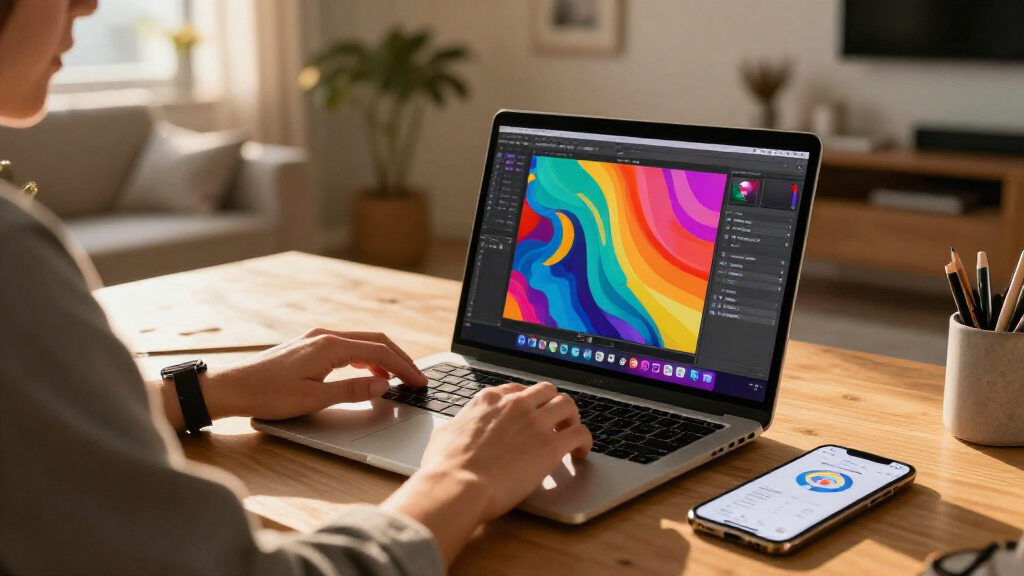
Google and Adobe plan integrations for Drive, Gmail, Gemini, Search and business tools, plus an exploration of near-real-time Photoshop editing.
Knowledge Work and the Fourth Sector

In 1958, almost 29% of the US economy went into producing knowledge. From Drucker’s knowledge worker (1959) to Machlup’s count and Porat’s four-sector clock: how a fourth sector took the lead, and why today’s AI is aimed straight at it. Work After Work, Episode 8.
10 Best AI Writing Assistants for Different Writing Needs in 2027
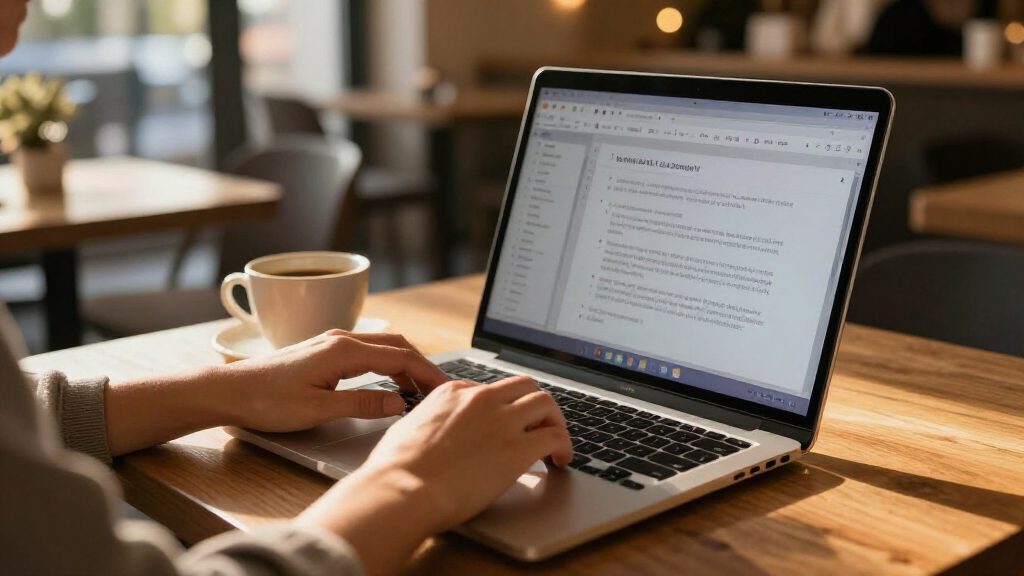
Compare 10 AI writing assistants, from text-generation tools to handwriting and dictation devices, and find the right fit for your workflow.
Google Cloud Launches Gemini For Healthcare.
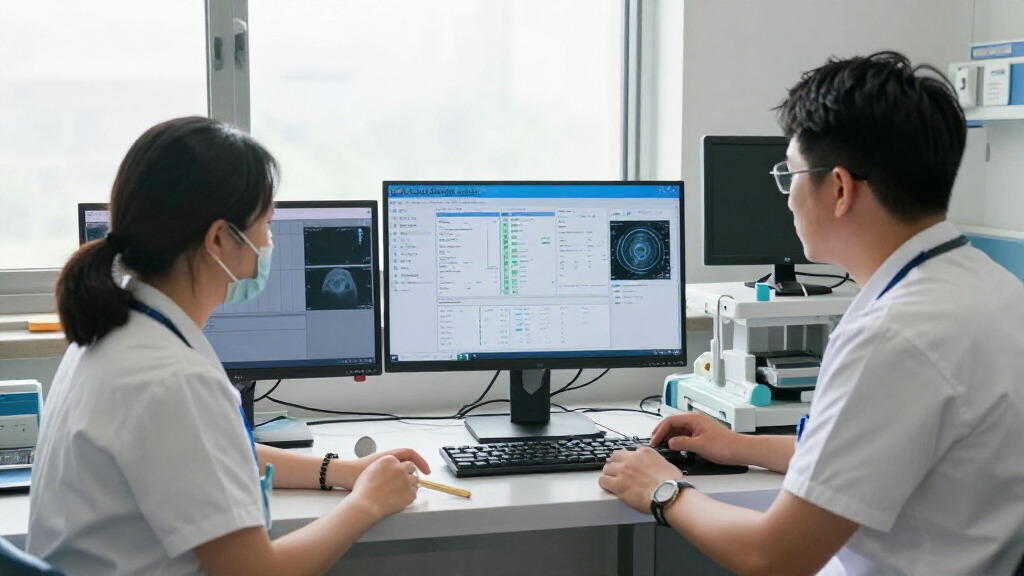
Google Cloud introduced Gemini for healthcare in preview, targeting clinical and administrative workflows with human oversight and launch partners.
Anthropic Launches Roadshow For Proposed Initial Public Offering

Anthropic has launched the roadshow for a proposed Nasdaq IPO of 825 million shares, with an expected price range of $70 to $78 per share.
Chrome’s Eighth Zero-Day of 2026: Attackers Already Use an XML Bug. Here Is the Version You Need

Google has patched CVE-2026-125350, a use-after-free bug in Chrome’s XML component that attackers are already exploiting. It is the eighth Chrome zero-day of 2026. Which version you need on Windows, Mac, Linux and Android, how to check it, where Edge, Brave and Vivaldi stand, what companies should do, and what is still unknown.
Google’s Two New AI Chips Make Four in One Year. Why a Second Source to Nvidia Matters to You
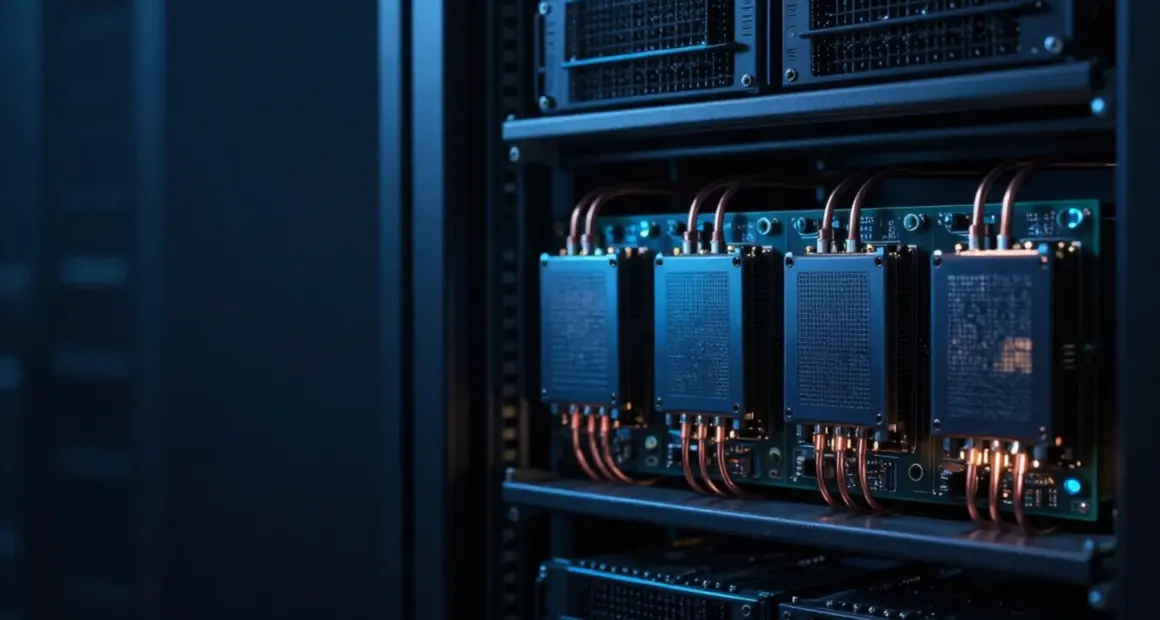
Google added two new variants to its AI chips, the TPU 8tx for confidential work and the TPU 8i Max for long contexts. Four TPU systems in one year, none on sale yet. What they are, what is vendor claim, and why a second source to Nvidia matters for businesses and users.
China’s Trade Surplus Passes $1 Trillion Again. The AI Boom Is Doing the Heavy Lifting

China’s goods trade surplus reached $1,042.6 billion in the first ten months of 2026, a month earlier than last year. Official customs data shows chips, computers and servers driving exports, while China’s own chip imports and deficits with South Korea and Taiwan grow too. Who earns from the AI hardware boom, where the tariff risk sits, and what it means for businesses and users.