
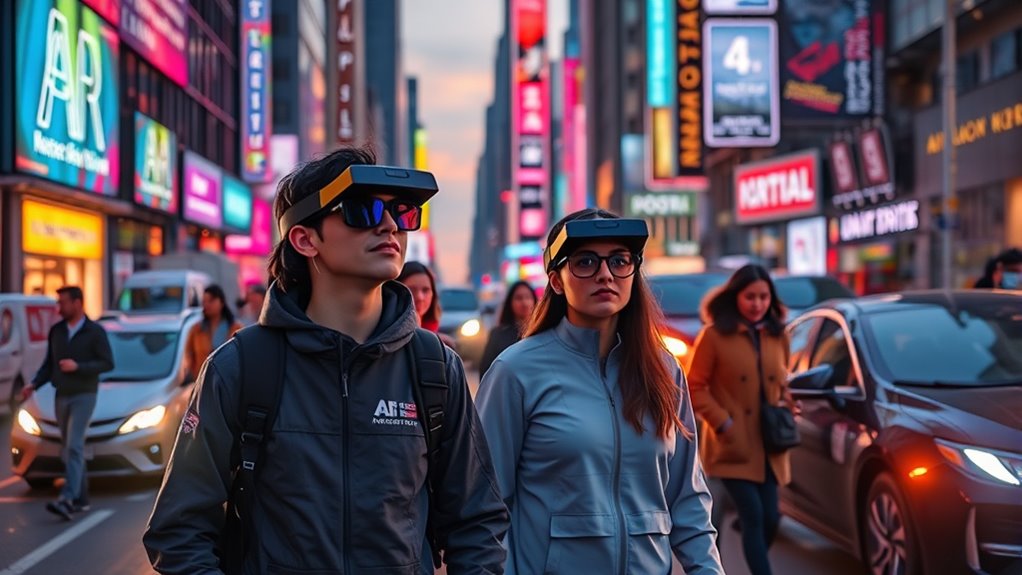
By 2035, your workforce will change considerably due to aging populations, slower native growth, and rising retirement rates, especially in sectors like healthcare and manufacturing. AI and automation will shift jobs toward high-tech roles, requiring ongoing reskilling. Immigration will continue to be essential for filling labor gaps. Policymakers are exploring strategies to boost participation and inclusion, but you’ll learn how these trends shape the future workforce if you explore the full picture.
Key Takeaways
- Workforce growth will slow to around 0.3% annually, with demographic shifts reducing labor participation by 2035.
- AI and automation will shift demand toward high-tech, STEM, and creative roles, impacting overall employment patterns.
- Reskilling and lifelong learning will be essential to maintain workforce relevance amid technological advancements.
- Policies promoting flexible work, active aging, and skilled migration will be crucial to sustaining labor participation.
- Skill mismatches and structural barriers may hinder workforce inclusion unless addressed through targeted training and inclusive strategies.
AI-powered reskilling courses
As an affiliate, we earn on qualifying purchases.
As an affiliate, we earn on qualifying purchases.
Projected Trends in U.S. Labor Force Growth
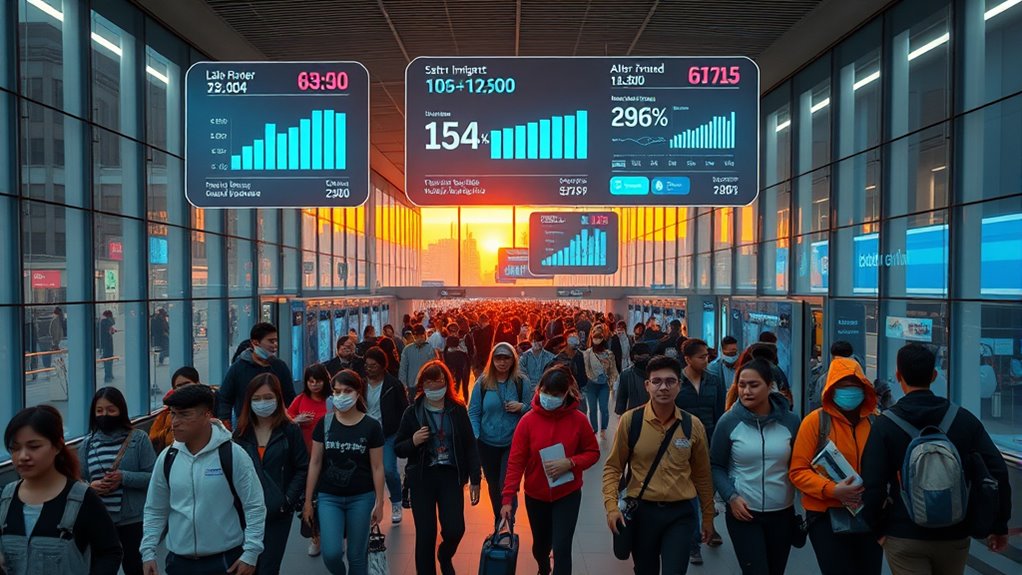
Projections indicate that U.S. labor force growth will slow considerably over the next decade, averaging about 0.3% annually from 2034 to 2099. This slowdown reflects a decline from recent years, where growth averaged 0.6% from 2019 to 2024, mainly due to COVID-19 disruptions and recovery. You’ll notice that early 2024 estimates suggest a modest increase of approximately 145,000 workers per month, with projections extending through 2035 based on Census and CBO data. While the native-born labor force is expected to grow around 0.5% annually between 2025 and 2035, overall growth remains modest. Even with high immigration scenarios boosting numbers slightly, the growth rate will stay subdued, mainly influenced by demographic shifts and structural factors. Additionally, technological advancements like automation and AI are expected to influence labor participation rates, potentially reshaping workforce dynamics in the coming years.

Flex Education: A guide for flexible working in schools
As an affiliate, we earn on qualifying purchases.
As an affiliate, we earn on qualifying purchases.
How Population Aging Shapes Workforce Dynamics

As the population ages, more workers will retire, shrinking the overall workforce and increasing the demand for replacement workers. You’ll also face challenges engaging youth, as lower birth rates and longer schooling keep them out of the labor market longer. These demographic shifts will fundamentally alter workforce dynamics, requiring new strategies to maintain economic growth. Additionally, understanding local community resources can help organizations adapt to these changes and foster inclusive workforce development.
Retirement and Workforce Shrinkage
Population aging substantially influences workforce dynamics by reducing the number of working-age individuals and increasing the share of retirees. As more baby boomers reach retirement age, the labor force shrinks, creating labor shortages across sectors like healthcare, construction, and manufacturing. Many older workers choose early retirement due to health, financial security, or changing preferences, further accelerating workforce decline. While some policies promote active aging and extended work life, these efforts can only partially offset the shrinking supply. Meanwhile, rising retirement rates diminish overall productivity potential and slow economic growth. You’ll need to contemplate how this workforce contraction impacts demand for automation, AI, and immigration policies aimed at supplementing labor supply. Adjusting to a smaller, aging workforce will be a defining challenge in shaping future economic resilience, particularly as AI technologies continue to evolve and fill critical labor gaps.
Youth Engagement Challenges
How does the aging of the population influence youth engagement in the workforce? As more baby boomers retire, fewer experienced workers remain, creating a gap that younger workers are expected to fill. However, declining birth rates mean fewer youth entering the labor market, limiting supply. Higher education participation and longer schooling periods delay youth workforce entry, reducing early engagement. Additionally, economic uncertainties and automation fears discourage young people from pursuing certain careers, especially in low-skilled sectors. Employers may focus more on older, experienced workers or automation technologies, further constraining youth opportunities. To counteract these trends, policies must promote skill development, reduce barriers to entry, and create attractive pathways for young workers to participate actively in the evolving economy. Incorporating natural materials and fostering a welcoming environment can also help in engaging the younger generation in the workforce.

Stretching for 50+: A Customized Program for Increasing Flexibility, Avoiding Injury and Enjoying an Active Lifestyle
As an affiliate, we earn on qualifying purchases.
As an affiliate, we earn on qualifying purchases.
The Role of AI and Automation in Future Employment

AI and automation are set to transform the future of employment by reshaping job demand and workforce skills. You’ll see a shift toward high-tech, STEM-focused roles, with increased demand for digital, data, and green skills. As machines handle routine tasks, your role will likely evolve to focus on complex problem-solving, creativity, and emotional intelligence. Reskilling and upskilling will become essential to stay relevant in this changing landscape. While some jobs may be displaced, new opportunities will emerge in sectors like renewable energy, AI development, and advanced manufacturing. The twin shift to digital and green economies will reshape employment patterns, demanding adaptability and continuous learning. Your ability to embrace technological change will determine how well you navigate the evolving job market.

BANRIA Rocket-Shaped DIY Soldering Kit – Electronics Project with LED & Countdown Sound Effects, Solder Practice Kit for Teens/Adults, STEM Soldering Training Kit for High School/College Education
🔧 Soldering Skills Development Project: This rocket-shaped kit is designed for soldering practice, combining resistor, capacitor, and LED…
As an affiliate, we earn on qualifying purchases.
As an affiliate, we earn on qualifying purchases.
Immigration’s Influence on Labor Supply and Participation
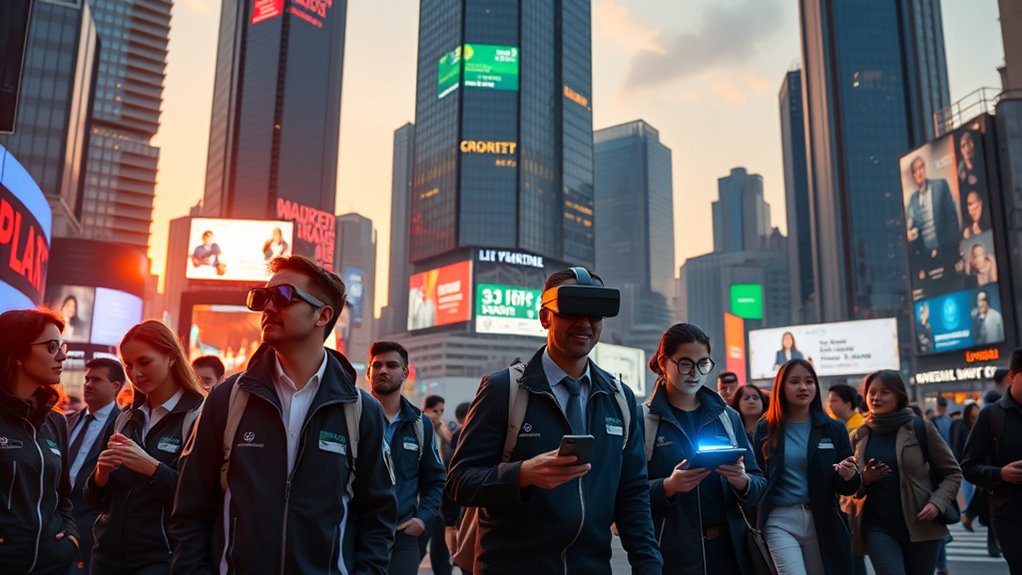
Immigration plays a key role in shaping labor supply and participation as native-born growth slows. High migration flows can help offset population aging and keep the workforce more robust, while policy changes can either encourage or restrict this flow. Understanding how these policies affect immigrant participation is essential for projecting labor force trends in 2035. Additionally, integrating wall organization systems and aesthetic solutions into urban planning can support immigrant communities by creating welcoming and functional environments.
Immigration and Workforce Growth
As the native-born working-age population growth slows, immigration becomes a crucial factor in sustaining the labor supply and supporting economic expansion. You’ll see that high immigration levels help offset declines in native-born workers, especially as aging reduces the overall workforce. Migration can temporarily boost participation rates and fill labor gaps in sectors like healthcare, construction, and technology. However, recent pandemic disruptions and policy restrictions have limited inflows, intensifying labor shortages. You should note that immigrant labor force participation varies, influenced by integration, language skills, and employment opportunities. Additionally, understanding Cultural Intelligence can enhance the integration process and employment prospects for immigrant workers. In scenarios with sustained or increased immigration, the labor supply remains more resilient, helping meet long-term economic goals. Still, uncertainties around immigration policies pose ongoing risks to workforce growth projections.
Policy Effects on Migration
Policy decisions considerably shape the flow of migration and, in turn, influence the size and composition of the labor force. You can see how immigration policies determine who enters the country, their eligibility, and integration support, directly affecting labor supply. Restrictive policies reduce migration, limiting workforce growth and exacerbating shortages in key sectors. Conversely, more open policies can boost immigrant inflows, helping offset aging populations and declining native-born participation. You’ll also notice that policies promoting skilled immigration, language training, and pathways to citizenship enhance participation among newcomers. However, uncertainty around immigration laws and enforcement can hinder planning. Ultimately, your policy choices will profoundly shape the extent to which migration supports long-term economic growth, labor force expansion, and workforce diversity, especially in an AI-driven economy demanding adaptable and skilled workers. Incorporating creative problem-solving approaches in policy design can foster more innovative and effective migration strategies that respond to changing economic needs.
Challenges to Maintaining a Robust Workforce
Maintaining a robust workforce faces several formidable challenges that threaten to slow economic growth in the coming decades. Population aging and early retirements reduce the active labor pool, while declining immigration limits new entrants. Structural issues like childcare costs, low-paid jobs, and skill mismatches discourage participation. AI and automation shift demand toward high-skilled roles, requiring reskilling, yet displacement risks lower-skilled workers. Policy gaps hinder active aging and inclusion efforts. These factors combine to depress overall labor force growth and participation rates, constraining economic potential. Additionally, Hackathons can serve as innovative platforms to foster skill development and encourage workforce engagement in emerging technologies.
Policy Strategies for a Resilient and Inclusive Labor Market

Building a resilient and inclusive labor market requires targeted strategies that address current and future challenges. You should prioritize lifelong learning and reskilling programs to prepare workers for AI-driven shifts, ensuring they can adapt to new roles. Promoting flexible work arrangements and removing barriers like childcare costs encourages broader participation, especially among women and underrepresented groups. Active aging policies can extend workforce engagement for older adults, counteracting demographic declines. Immigration policies that facilitate skilled migration help sustain labor supply, while inclusion initiatives promote diversity and reduce skill mismatches. Investing in sector-specific training and partnerships between government and industry will boost productivity and resilience. Additionally, embracing for-sale 100 strategies can help manage workforce transitions effectively. Ultimately, fostering a flexible, equitable labor environment enables you to navigate demographic shifts and technological change effectively.
Frequently Asked Questions
How Will Remote Work Trends Impact Labor Force Participation by 2035?
Remote work will likely boost your labor force participation by offering more flexibility, especially for underrepresented groups like women and caregivers. It can help you balance work and personal life, reducing barriers to employment. However, if automation and AI continue to reshape jobs, some roles may shift or decline, possibly limiting participation for low-skilled workers. Overall, remote work has the potential to keep more people engaged in the workforce, but its impact depends on policy and technological adaptation.
What Are the Effects of AI on Income Inequality Across Different Worker Groups?
AI can widen income inequality by boosting demand for high-skilled workers while displacing lower-skilled jobs. You might find that skilled workers benefit from higher wages and more opportunities, whereas lower-skilled workers face job losses or wage stagnation. To stay ahead, you’ll need to upskill and adapt, as AI-driven shifts favor those with advanced tech skills. Without targeted policies, the income gap could grow wider across different worker groups.
How Might Climate Change Influence Future Employment and Workforce Needs?
Climate change will reshape your workforce needs by increasing demand for green jobs in renewable energy, conservation, and infrastructure. You’ll see new opportunities in sectors like clean tech, while traditional industries such as fossil fuels decline. Adaptation requires you to acquire new skills and stay flexible, as shifting to a sustainable economy demands a workforce ready to meet evolving environmental challenges. Preparing now can help you thrive amid these shifts.
Will Lifelong Learning Programs Significantly Boost Participation Among Older Workers?
Lifelong learning programs can noticeably boost your participation as an older worker. Visualize a staircase, where each skill you acquire helps you climb higher, extending your career. By staying current with technology and industry trends, you remain valuable and employable. These programs reduce skill gaps, increase confidence, and encourage continued work, making it more attractive and feasible for you to remain active in the workforce well beyond traditional retirement age.
How Do Cultural Attitudes Toward Retirement Evolve in an Ai-Driven Economy?
In an AI-driven economy, you’ll see cultural attitudes toward retirement shift toward valuing lifelong engagement and flexible work. Society may view retirement less as an endpoint and more as a choice, encouraging continued work or volunteering. You might prioritize staying active longer, driven by the desire to learn new skills and contribute meaningfully. This evolving mindset helps offset demographic declines, fostering a culture that embraces ongoing participation regardless of age.
Conclusion
As you navigate this rapidly evolving AI-driven economy, remember that your actions can shape the future of work itself. With the right policies and innovations, you have the power to create a workforce more resilient and inclusive than ever before—truly a revolution in human potential. Don’t underestimate your influence; you’re on the frontline of a transformation that could redefine what it means to work in ways you’ve never imagined.