
Public ownership of AI helps guarantee that the benefits of automation are shared widely, preventing inequality and monopolization. When AI is controlled by a few large firms, it can increase economic disparities, limit competition, and reduce societal accountability. By fostering public oversight, transparent governance, and collective stewardship, we can promote fair growth and prevent tech-driven inequalities. To learn how best to build a more equitable AI future, there’s more to examine.
Key Takeaways
- Public ownership ensures AI benefits are widely shared, reducing inequality and preventing profit concentration among a few firms.
- State-led AI initiatives promote transparency, accountability, and alignment with societal goals over short-term profits.
- Democratizing AI ownership through public R&D and shared models fosters inclusive innovation and broad participation.
- Robust governance frameworks with oversight bodies can monitor AI deployment, ensuring safety, fairness, and ethical standards.
- Investing in public AI infrastructure and retraining supports equitable economic growth amid automation-driven disruptions.

GovOps with Microsoft Power Platform and Copilot: Automating Governance (Inside Copilot)
As an affiliate, we earn on qualifying purchases.
As an affiliate, we earn on qualifying purchases.
The Concentration of AI Power and Its Risks

Have you considered how the growing concentration of AI ownership among a few large firms amplifies economic and societal risks? When a handful of companies control advanced AI, they gain immense power over markets, wages, and innovation. This monopolization can stifle competition, limit consumer choices, and suppress new entrants. It also concentrates economic rewards, increasing inequality as profits flow to a small elite rather than broad society. Additionally, dominant firms can influence policy, labor standards, and societal norms, reducing democratic accountability. The risk is that AI becomes a tool for consolidating corporate power rather than serving public interests. Without checks, this concentration threatens to reinforce existing inequalities and create systemic vulnerabilities, making society more fragile and less resilient to technological disruptions. Pinball machines, for example, exemplify how technological advancements can be both innovative and accessible, underscoring the importance of equitable distribution of technological benefits.
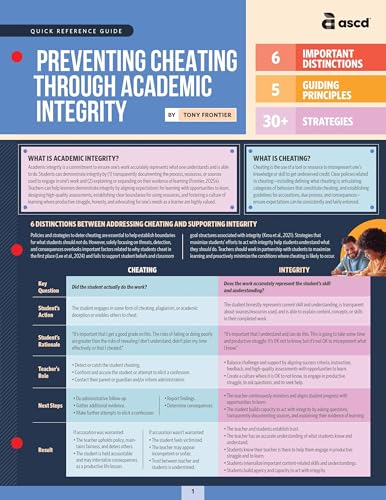
Preventing Cheating Through Academic Integrity (Quick Reference Guide)
As an affiliate, we earn on qualifying purchases.
As an affiliate, we earn on qualifying purchases.
How Public Ownership Can Promote Equitable Growth

Public ownership of AI offers a path toward more equitable growth by ensuring that the benefits of technological advancements are shared broadly rather than concentrated among a few corporations. When AI is publicly owned, profits and innovations can be reinvested into communities, creating jobs, reducing inequality, and expanding access to essential services. Public stewardship can prioritize societal goals over short-term profits, guiding AI development toward public good. It also fosters transparency and accountability, making sure that AI systems serve everyone fairly, especially marginalized groups. By decentralizing ownership, you prevent monopolistic control and promote inclusive growth. Ultimately, public ownership helps align AI’s economic benefits with broader societal needs, ensuring that automation’s gains uplift all segments of society, not just a privileged few. Additionally, implementing high-quality projectors with accurate color reproduction and contrast can help communities better access and understand AI-driven information and services.

7DEA Series: Meta Platforms Inc. An Ethical Audit Under the Seven Directives
As an affiliate, we earn on qualifying purchases.
As an affiliate, we earn on qualifying purchases.
Lessons From Public Sector AI Initiatives

What can we learn from current public sector AI initiatives about effective deployment and oversight? One key lesson is that responsible implementation depends on clear governance structures and continuous oversight. Public agencies often pilot AI projects to improve efficiency and equity, demonstrating that transparency and stakeholder engagement are vital. For example, agencies like the U.S. Health and Human Services use AI to streamline benefits programs while prioritizing fairness. Success relies on integrating change management, training, and human oversight to prevent bias and errors. Additionally, setting clear goals and accountability measures ensures AI serves public interests. Moreover, understanding essential oils for transparency can help inform how information about AI processes is communicated to the public. These initiatives show that with proper governance, public sector AI can deliver benefits without compromising transparency, fairness, or public trust.

The Semiconductor Reality: Why Hardware, Not Software, Sets the Ceiling of the AI Era
As an affiliate, we earn on qualifying purchases.
As an affiliate, we earn on qualifying purchases.
Building Governance Frameworks for Responsible AI

How can we guarantee AI development aligns with societal values and minimizes risks? You need strong governance frameworks that set clear standards for transparency, accountability, and safety. This involves establishing oversight bodies composed of diverse stakeholders, including public representatives, to monitor AI deployment. You must enforce regulations that require developers to disclose data practices, model biases, and potential harms. Implementing lifecycle assessments ensures responsible development from design to deployment. Regular audits, public reporting, and grievance mechanisms help maintain trust and address issues promptly. International cooperation can harmonize standards, preventing race-to-the-bottom scenarios. Ultimately, building such frameworks ensures AI serves societal needs, reduces harm, and fosters public confidence—crucial steps toward responsible, equitable AI progress. Incorporating ethical considerations into the governance process is essential to align AI systems with human values and societal norms.
Strategies for Transitioning Toward Collective AI Stewardship

To effectively shift toward collective AI stewardship, you need to implement strategies that democratize ownership, enhance accountability, and foster collaborative governance. Start by expanding public sector R&D and encouraging shared ownership models, like public benefit corporations or community-controlled AI initiatives. Strengthen data rights so individuals can participate in decision-making and benefit-sharing. Legislate transparency and enforceable accountability measures for AI developers, ensuring societal interests are prioritized. Promote international cooperation to develop standards that prevent monopolistic practices and environmental harm. Invest in education, retraining, and social safety nets to prepare workers for automation’s impact. These steps create a foundation for inclusive participation, reduce power imbalances, and guide AI development toward shared benefits, ensuring technology serves society rather than a few dominant actors. Additionally, fostering awareness of dog names can inspire community engagement and shared cultural identity in AI stewardship initiatives.
Frequently Asked Questions
How Can Public Ownership of AI Be Practically Implemented at Scale?
You can implement public ownership of AI by establishing government-led agencies that develop, manage, and regulate AI technologies transparently. Legislation can mandate public benefit commitments for private firms, requiring data sharing and open models. Investing in public R&D, creating public AI infrastructure, and incentivizing cooperatives or nonprofits to develop AI guarantees broad access, accountability, and shared benefits, reducing private dominance and fostering equitable innovation at scale.
What Legal Hurdles Exist for Transitioning AI Assets to Public Stewardship?
You face legal hurdles like existing intellectual property rights, complex ownership structures, and regulatory frameworks that favor private companies. You also need to navigate contract obligations, data privacy laws, and antitrust regulations that could restrict transferring or sharing AI assets publicly. Overcoming these challenges requires new legislation, clear public ownership models, and policies that balance innovation with societal interests. You’ll need coordinated efforts from policymakers, legal experts, and stakeholders to create a legal pathway.
How Would Public AI Ownership Impact Innovation and Competition?
Imagine a public AI system that everyone can access and improve. Public ownership encourages open collaboration, spurring innovation beyond corporate limits. It prevents monopolies, fostering healthy competition and diverse ideas. When you share data and insights openly, you create an environment where new startups and researchers thrive. This approach drives faster breakthroughs, ensures fairer market dynamics, and keeps innovation aligned with societal needs instead of just profit.
Who Would Oversee and Regulate Publicly Owned AI Systems Effectively?
You’d want dedicated government agencies or independent regulatory bodies to oversee public AI systems effectively. These organizations should establish clear standards, enforce compliance, and monitor ethical practices. You’d also need experts from diverse fields—tech, ethics, law—to guide policies. Regular audits, transparency measures, and public input guarantee accountability. By empowering these institutions, you help ensure AI serves society’s interests, balancing innovation with safety and fairness.
How Can Public Ownership Address Global Disparities in AI Benefits?
You can address global disparities in AI benefits by advocating for public ownership, which guarantees equitable access and distribution worldwide. By supporting international frameworks and collaborative governance, you help prioritize social goals over profit. Promoting investments in education, infrastructure, and local AI development empowers underserved communities. Public ownership also enables you to hold entities accountable, reducing inequalities and ensuring AI benefits reach marginalized populations across borders.
Conclusion
By embracing public ownership of AI, you can help guarantee that automation benefits everyone equally. Did you know that just 10 tech giants control over 70% of AI research? With collective stewardship, you can help democratize AI, prevent monopolies, and promote responsible innovation. Together, you can build a future where AI serves the common good, fostering equitable growth and safeguarding societal interests against concentrated power.