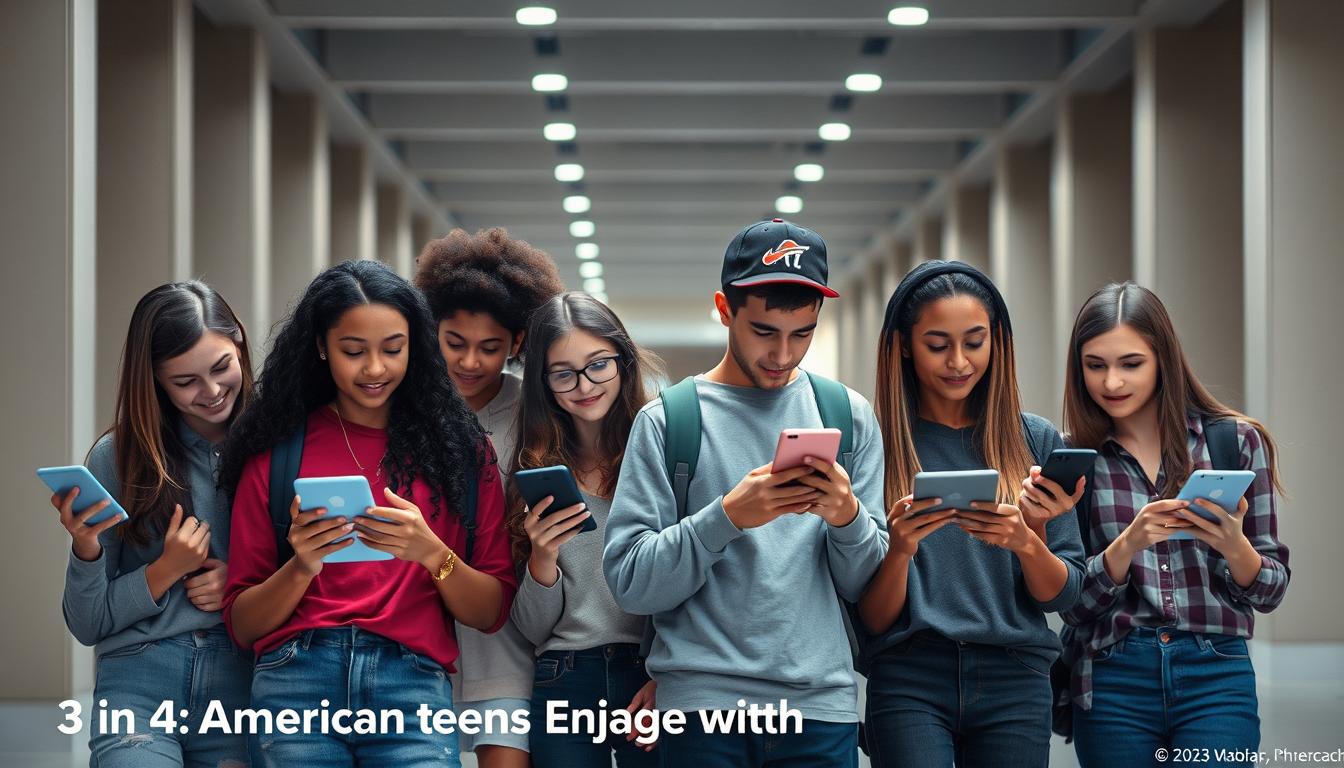

In a rapidly evolving digital landscape, AI chatbots have become increasingly popular among American teens, with approximately 75% reporting that they engage with these innovative technologies. These chatbot companions are not only revolutionizing how teenagers communicate, but they are also paving the way for emotional support and mental health assistance. As many young individuals embrace these tools, the nuances of their usage reflect changing social dynamics, highlighting a growing reliance on technology for daily interactions and educational help. This article delves into the impact of AI chatbots on teenage life, exploring their benefits, common use cases, and the role they play in mental health support.
Key Takeaways
- 75% of American teens are now using AI chatbots.
- Chatbot companions provide emotional and mental health support.
- Engagement with AI technology influences daily interactions.
- AI chatbots are becoming essential tools for educational assistance.
- Understanding the benefits and risks of AI chatbots is vital for youth.
Introduction to AI Chatbots
AI chatbots represent a significant evolution in digital interaction, fundamentally transforming the way users communicate online. These chatbots are sophisticated computer programs designed to mimic human conversation, offering instant responses to queries. Embracing AI technology, today’s chatbots employ advanced natural language processing, which allows for more fluid and engaging dialogues with users.
Many modern chatbots come imbued with machine learning features that enable them to improve their conversational abilities over time. This continual adaptation ensures that the interactions remain relevant and tailored to each user’s preferences. The growing reliance on AI chatbots highlights their importance in facilitating seamless communication across various platforms.

With their capacity to engage users effectively, AI chatbots have become indispensable tools in the landscape of digital interaction. Organizations, brands, and individuals can leverage this AI technology to enhance customer service, provide support, and even foster connections in an increasingly virtual world.
| Feature | Description |
|---|---|
| Natural Language Processing | Enables chatbots to understand and generate human-like responses. |
| Machine Learning | Allows chatbots to learn from interactions and improve over time. |
| 24/7 Availability | Provides users with instant support and information at any time. |
| Personalization | Tailors conversations based on user preferences and history. |
As an affiliate, we earn on qualifying purchases.
The Rise of AI Chatbots Among Teens
The rise of chatbots represents a notable shift in how teens engage with technology. As digital natives, many American teenagers have grown up surrounded by smartphones and the internet, shaping their social interactions and preferences. Teen technology trends reflect a preference for digital communication over traditional methods, leading them to explore AI engagement through various platforms.
This increasing adoption highlights that AI chatbots cater not only to the teenagers’ need for companionship but also to their desire for privacy. With the ability to interact with chatbots without the pressures often associated with human interaction, teens find these tools particularly appealing. Many use chatbots for support, advice, or simply to converse when they may feel isolated.
Accessibility plays a crucial role in this trend. As smartphones become more available, the use of chatbots has surged, making them an integral part of daily life. Social media platforms and dedicated applications have integrated these AI systems seamlessly, reinforcing their popularity.

The interaction with AI chatbots is not just a fleeting trend. It reflects evolving social habits and the continuous desire for connections in a rapidly changing world. Thus, the rise of chatbots continues to influence teen technology trends significantly, demonstrating that digital engagement is here to stay.
As an affiliate, we earn on qualifying purchases.
3 in 4 American teens have used AI chatbot companions
Recent research shows that an impressive 75% of American teens have engaged with AI chatbot companions. These AI chatbot usage statistics highlight the growing significance of these digital friends in the daily lives of teenagers. The appeal of chatbots lies in their constant availability and ability to provide non-judgmental interactions, making them an attractive option for youth seeking companionship.
Teenagers often find it easier to express their thoughts and emotions to AI chatbots, particularly during vulnerable moments. This connection fosters a sense of teen companionship, allowing them to seek support without fear of judgment. Many prefer the emotional support offered by chatbots, especially during late-night hours when immediate conversations matter the most.
The increasing popularity of AI chatbots reflects a trend among young individuals leaning toward these digital interactions over traditional human engagements. Here is a breakdown of the ways teens utilize chatbots:
| Use Case | Percentage of Teens |
|---|---|
| Emotional Support | 40% |
| Information Seeking | 30% |
| Social Interaction | 20% |
| Entertainment | 10% |

The numbers indicate a clear shift in how teenagers view relationships and support systems. This drastic change emphasizes the role of technology in shaping social experiences, particularly in how teens navigate their emotional landscapes.
As an affiliate, we earn on qualifying purchases.
Benefits of AI Chatbots for Teens
AI chatbots have become essential tools for teenagers, offering numerous benefits that enhance their daily lives. One significant advantage is their ability to provide mental health support at any hour. Teens often hesitate to seek help due to the fear of judgment, but chatbots create a safe space for emotional expression. With 24/7 accessibility, these virtual companions can serve as immediate listeners, allowing young people to process their feelings and experiences.
In addition to emotional support, the educational usage of AI chatbots is on the rise. Many students struggle with traditional academic methods, but chatbots can bridge this gap effectively. These digital aides can assist with homework, clarify difficult subjects, and provide access to valuable learning resources. This combination of support and guidance has proven invaluable for students striving to achieve their academic goals.
personalized AI conversation device
As an affiliate, we earn on qualifying purchases.
As an affiliate, we earn on qualifying purchases.
Common Use Cases of AI Chatbots
AI chatbots are becoming integral tools for teens, offering various benefits across different domains. One notable area is mental health, where chatbots like Woebot are designed to provide support through cognitive behavioral therapy techniques. These tools assist individuals in managing anxiety and stress, making it easier for young users to address their emotional well-being.
In educational contexts, the use cases for chatbots broaden as they offer personalized learning experiences. By answering homework queries and explaining complex topics, chatbots enhance the learning journey and provide additional support outside the classroom.
Another significant function of AI chatbots involves promoting social interaction. Many teenagers grapple with feelings of loneliness. Chatbots can act as companions, creating a sense of connection and providing an outlet for their thoughts and emotions. This interaction can prove invaluable, especially in times when direct social engagement is limited.
These diverse applications illustrate how chatbots cater to the specific needs of teens today, shaping a more engaging environment tailored to their mental, educational, and social needs.

The Limitations and Risks of AI Chatbots
The rising popularity of AI chatbots brings with it several noteworthy concerns. AI chatbot limitations can impact the quality of interaction, leaving users feeling unfulfilled. A major issue pertains to privacy issues. Many chatbots collect and store user data, raising alarms regarding data security and potential misuse of sensitive information. Teens might unknowingly share personal details that could be exploited.
Technology dependence poses another significant risk. While these chatbots can offer considerable convenience and companionship, excessive reliance may hinder the development of crucial human relationships and social skills. Relying on digital interactions can also lead to a decrease in meaningful face-to-face communication.
Moreover, some users might experience a phenomenon known as “chatbot psychosis.” This occurs when individuals form unhealthy attachments to their digital companions, affecting their perception of reality and relationships. These challenges highlight the importance of addressing the inherent risks associated with AI chatbots in the lives of teens.

Comparing AI Chatbots to Human Interaction
The landscape of communication is evolving as we explore the nuances of AI vs human interaction. In many scenarios, AI chatbots present distinctive advantages. They offer consistency and are available 24/7, providing tailored responses while adapting to user queries. This fosters an immediate connection that can help users get their answers quickly.
Despite these benefits, the comparison unveils significant drawbacks. AI chatbots lack the ability to convey genuine emotional connections and nuanced understanding that human interaction typically provides. Their responses, while accurate, often feel mechanical and may not fully address the user’s emotional needs.
To visualize these contrasts, a comparative analysis highlights the strengths and weaknesses of both communication forms:
| Feature | AI Chatbots | Human Interaction |
|---|---|---|
| Availability | 24/7 Access | Office Hours |
| Response Time | Instant | Varied |
| Emotional Intelligence | Low | High |
| Personalization | Adaptive | Intuitive |
This comparison reveals critical insights into the benefits and drawbacks of each mode of interaction, encouraging users to reflect on their preferences in communication. While AI chatbots serve as effective tools, the intrinsic value of human empathy and connection remains irreplaceable.

How AI Chatbots Are Shaping Future Communication
The rise of AI chatbots marks a significant shift in the future of communication. With technology evolution accelerating at an unprecedented pace, these chatbots play a crucial role in how youth interact and engage with one another. More immediate and accessible interactions redefine traditional communication methods, making it easier for adolescents to connect even from a distance.
This AI chatbots impact can be seen in various forms, including enhanced support for mental health, educational assistance, and social engagement. By offering round-the-clock availability, these chatbots provide companionship and conversations that many teens find comforting. This change presents both opportunities and challenges, as the nature of relationships evolves in response to chatbot interactions.
The long-term effects of this technology evolution on interpersonal relationships and social skills remain to be fully understood. As the integration of AI in everyday communication deepens, the potential for new innovations in chatbot design promises to steer future communication in ways that could redefine how humans relate to one another. Observing this transformation offers a glimpse into an exciting yet complex new era of connectivity.

The Role of Parents and Guardians
In a world where parenting and technology intersect, the role of parents and guardians has never been more crucial. As teens increasingly engage with AI chatbots, it becomes important for adults to guide them through these interactions. Encouraging balanced engagement with technology helps foster healthy habits. Parents can teach their kids that AI chatbots serve as supplements to real human connections, not replacements.
Monitoring teens closely allows parents to safeguard their well-being. Regular check-ins can help clarify what their kids are discussing with chatbots, thus preventing risks associated with privacy or emotional dependency. Understanding engagement strategies can also assist parents in reinforcing their kids’ healthy relationship with technology.

As conversations around AI technology continue to evolve, a proactive approach from parents can make a significant difference. Establishing trust with their teens ensures that they feel comfortable discussing potential issues or concerns related to their experiences with AI chatbots.
- Encourage open dialogues about technology use.
- Model healthy technology habits.
- Implement regular discussions about privacy and online safety.
Conclusion
In summary of findings, it is evident that AI chatbots have become increasingly integral to the lives of about 3 in 4 American teens. These digital companions provide not only emotional support but also educational assistance, fostering a unique form of interaction in the modern landscape. As this technology continues to evolve, it serves as a bridge for teenagers seeking guidance and engagement.
However, the growing reliance on AI chatbots in teens raises important considerations regarding privacy, security, and emotional well-being. With such substantial usage, understanding the potential implications of these conversations is crucial for both teens and their guardians. Final thoughts suggest that a balanced approach—promoting healthy engagement while maintaining a watchful eye—is essential to harness the benefits of this innovative technology.
Ultimately, the role of AI chatbots in the lives of teens is not just about interaction; it’s about navigating the complexities of adolescence with the help of technology. Striking the right balance can empower teens to leverage these tools effectively while mitigating any accompanying risks.
FAQ
What are AI chatbots and how do they work?
AI chatbots are computer programs designed to simulate conversation with human users. They use natural language processing to understand and respond to inquiries, making interactions more engaging and relevant through machine learning capabilities that allow them to adapt over time.
Why are so many American teenagers using AI chatbots?
Approximately 75% of American teenagers engage with AI chatbots due to their accessibility via smartphones and the internet. These digital companions provide emotional support, information, and a sense of companionship, all within an evolving social landscape.
How do AI chatbots support teenage mental health?
AI chatbots offer round-the-clock emotional support and non-judgmental interaction, allowing teenagers to express their thoughts during vulnerable moments. Some chatbots, like Woebot, provide resources for cognitive behavioral therapy to help manage anxiety and stress.
What roles do AI chatbots play in education?
AI chatbots serve as valuable educational aids, offering personalized learning experiences and assistance with homework questions. They help bridge gaps for students who may struggle with traditional academic help, enhancing the learning process.
What are the privacy concerns linked to using AI chatbots?
One significant concern is that many chatbots collect user data, which can lead to vulnerabilities regarding personal privacy. It’s essential for users, particularly teens, to understand the risks associated with sharing sensitive information with these digital companions.
Are there risks associated with overreliance on AI chatbots?
Yes, overreliance can diminish vital human relationships and social skills. Additionally, some users may develop unhealthy attachments to chatbots, leading to a phenomenon known as “chatbot psychosis,” where they blur the lines between digital and real-life interactions.
How do AI chatbots compare to human interactions?
While AI chatbots offer consistent, tailored responses and accessibility, they lack genuine emotional connection and nuanced understanding. Studies indicate that chatbots can be effective supplements to emotional support but cannot fully replace the value of human empathy and relationships.
How are AI chatbots changing communication dynamics among teens?
The integration of AI chatbot technology is transforming communication, making it more immediate and accessible. As this trend continues, understanding the long-term effects on interpersonal relationships and social skills will be crucial for future social development.
What can parents do to support their teens’ use of AI chatbots?
Parents and guardians play a vital role by encouraging balanced engagement with AI chatbots. Active monitoring of interactions can help safeguard against privacy risks and emotional dependency, ensuring that technology supplements rather than replaces meaningful human connections.