
In the AI age, your career’s survival depends on continuous learning. Skills become obsolete in just a few years as technology rapidly evolves, making ongoing upskilling essential. Embracing digital literacy, AI understanding, and adaptability will keep you competitive and relevant. Organizations now value flexible, nonroutine skills that AI can’t easily replicate. To thrive, you must stay curious, seek new opportunities for growth, and explore ways to keep your knowledge fresh—if you keep exploring, you’ll discover how to stay ahead.
Key Takeaways
- Continuous learning enables adaptation to rapid technological changes and automation risks, ensuring career resilience.
- Developing digital and AI literacy is essential to stay competitive in evolving job markets.
- Upgrading skills through online courses and training sustains employability and opens new opportunities.
- Inclusive access to digital education bridges skill gaps and promotes equitable workforce participation.
- Building a culture of lifelong learning helps individuals and organizations thrive amid ongoing AI-driven transformation.
As an affiliate, we earn on qualifying purchases.
The Rapid Obsolescence of Traditional Skills

Traditional degrees and certificates no longer guarantee long-term career relevance because skills become obsolete in just 2–3 years. You need to recognize that what’s taught today might be outdated tomorrow, especially as technology advances rapidly. Relying solely on initial education leaves you vulnerable to the shifting job landscape. Employers now demand continuous skill updates, not a one-time credential. Routine roles, in particular, face higher automation risks, making adaptable, nonroutine skills essential for job security. To stay competitive, you must engage in lifelong learning, constantly acquiring new knowledge and tech capabilities. This ongoing process helps you keep pace with AI-driven changes and guarantees your skills remain relevant in an evolving market. Staying current is no longer optional; it’s crucial for sustained employability. Additionally, Home Improvement strategies like decluttering and organization can foster mental clarity and productivity, supporting your continuous learning journey.
AI and data analysis training programs
As an affiliate, we earn on qualifying purchases.
As an affiliate, we earn on qualifying purchases.
AI’s Impact on Job Market Dynamics
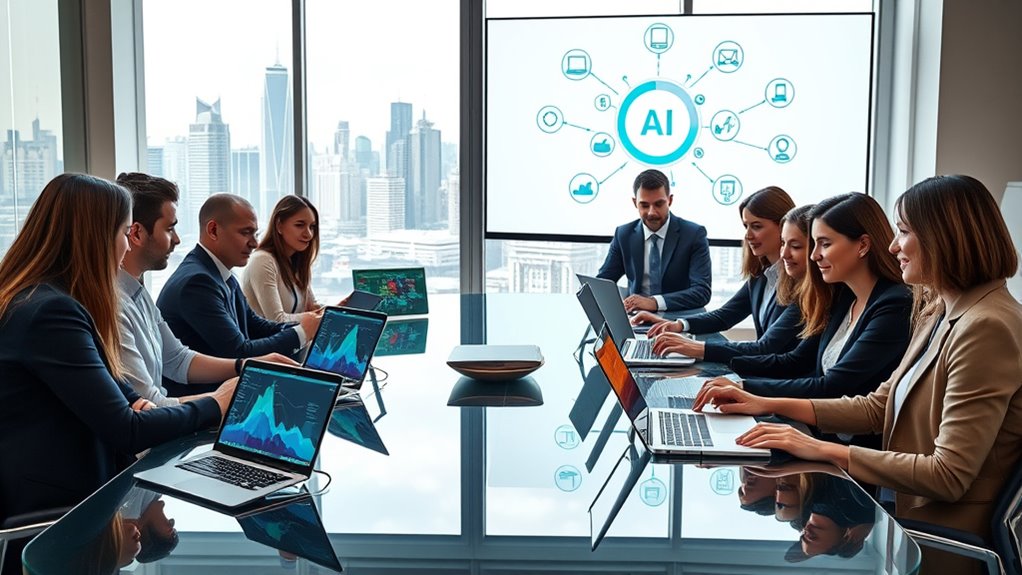
AI is reshaping the job market by transforming how work is done and which skills are in demand. Automation replaces routine tasks in sectors like manufacturing, food service, and support roles, pushing you to develop nonroutine, creative, and emotional intelligence skills for job security. While up to 30% of work hours could be automated by 2030, new roles in AI, data analysis, and digital innovation will emerge, requiring continuous skill updates. Organizations increasingly embed AI across workflows, making tech literacy essential for all roles. To stay relevant, you must embrace lifelong learning—upskilling and reskilling become ongoing processes. This shift creates both challenges and opportunities, demanding agility and proactive adaptation to thrive in an evolving, AI-driven economy. Wall organization systems can also support efficient workspace management, emphasizing the importance of adaptable and organized environments for continuous learning.
As an affiliate, we earn on qualifying purchases.
Developing Core Digital and AI Literacy

To stay relevant in today’s AI-driven world, you need to strengthen your digital and AI skills continuously. Building strong digital foundations and improving your AI competencies enable you to adapt quickly to new technologies. Embracing lifelong learning helps you grow professionally and keeps you competitive in evolving job markets. Additionally, understanding home theatre projectors can enhance your multimedia experiences and technical knowledge.
Building Digital Foundations
How can you build a solid digital foundation in today’s fast-evolving technological landscape? Start by developing core digital skills like basic coding, data literacy, and cybersecurity awareness. These fundamentals enable you to navigate digital tools confidently and understand how AI integrates into workflows. Focus on learning how to interpret data and communicate technical concepts clearly—these are essential in every industry. Stay curious about emerging technologies, and take advantage of online courses, tutorials, and hands-on projects. Building this foundation isn’t a one-time effort; it requires continuous engagement as tools and platforms evolve. Cultivating strong digital literacy guarantees you can adapt quickly, solve problems creatively, and work effectively alongside AI systems, securing your relevance and resilience in the workforce.
Enhancing AI Competencies
Developing core digital and AI literacy has become essential for staying competitive in today’s rapidly changing workforce. You need to understand not just basic tech tools but the fundamentals of AI, data analysis, and digital workflows. This knowledge allows you to adapt quickly to new tools and integrate AI solutions effectively. Online courses, workshops, and self-directed learning are accessible ways to build these skills. Focus on understanding AI concepts, ethics, and applications relevant to your industry. By boosting your digital and AI literacy, you’ll enhance your problem-solving abilities and make more informed decisions. This foundational knowledge also prepares you to collaborate with AI systems confidently, ensuring you remain valuable and relevant as automation and AI become central to your role. Additionally, gaining familiarity with AI in Education can help you understand how intelligent tutoring systems (ITS) personalize learning experiences, which can be applied to workplace training and skill development.
Fostering Continuous Growth
As technology continues to evolve rapidly, building core digital and AI literacy becomes essential for staying competitive. You need to develop these skills continuously, not just once. Embrace online courses, workshops, and on-the-job learning to stay current with new tools and concepts. Focus on understanding data analysis, AI fundamentals, and digital workflows, as these are increasingly integrated into every role. Cultivate curiosity and adaptability, making learning a regular habit. Collaborate with colleagues and participate in communities that share knowledge. By doing so, you’ll strengthen your ability to adapt, innovate, and add value in an AI-driven workplace. Remember, continuous growth isn’t optional anymore; it’s the best way to secure your career and thrive in the future economy.
As an affiliate, we earn on qualifying purchases.
The Rise of Personalized Learning Platforms

Personalized learning platforms are transforming education by offering tailored experiences that adapt to each learner’s needs and pace. You can now access content that adjusts in real-time based on your progress, strengths, and weaknesses. These platforms leverage AI to identify your learning gaps and deliver targeted exercises, making your study time more efficient. They also provide instant feedback, so you know exactly where to improve. With adaptive assessments, you avoid one-size-fits-all approaches, ensuring your skills develop at a comfortable yet challenging rate. Plus, these platforms often include global collaboration tools, enabling you to learn from peers worldwide. As a result, you stay motivated and engaged, gaining relevant skills faster and more effectively—crucial in today’s fast-changing, AI-driven job market. Recognizing the importance of asset division laws can help you better understand and protect your interests during such transitions.
Overcoming Barriers to Digital Access and Skills Acquisition

You need reliable internet access and digital skills to keep up with evolving AI-driven opportunities. Many people still face barriers like limited connectivity, lack of training, or fear of technology. Overcoming these obstacles is essential to guarantee everyone can participate in lifelong learning and future work. Additionally, embracing the growing trend of online education can provide flexible and accessible pathways for acquiring new skills.
Expanding Internet Accessibility
Expanding internet accessibility is essential for ensuring that more people can participate in the AI-driven economy. Without reliable digital access, many miss out on critical skills and opportunities. To bridge this gap, focus on:
- Building infrastructure in underserved areas to improve connectivity.
- Providing affordable internet plans for low-income communities.
- Offering digital literacy programs tailored to diverse populations.
- Ensuring devices and resources are accessible for all age groups and abilities.
- Promoting awareness of available anime movies and other digital content to foster cultural engagement.
Addressing these barriers helps create an inclusive environment where everyone can learn new skills, adapt to technological changes, and contribute meaningfully to the evolving workforce. Increasing accessibility isn’t just a policy goal—it’s an indispensable step toward equitable growth and lifelong learning in the AI age.
Bridging Digital Skills Gap
Bridging the digital skills gap requires addressing the barriers that prevent widespread access to technology and digital literacy. Many face challenges like limited internet, lack of training, fear, or past negative experiences. Overcoming these obstacles is essential to build a future-ready workforce. You can envision this effort as a table of key barriers and solutions:
| Barrier | Impact | Solution |
|---|---|---|
| Limited internet access | Excludes many from digital learning | Expand infrastructure, subsidies |
| Digital literacy gaps | Hinders skill development | Targeted training programs |
| Fear of technology | Discourages engagement | Supportive onboarding |
| Lack of relevant training | Prevents skill acquisition | Personalized, ongoing learning |
| Inadequate training resources | Limits effective digital skill development | Develop accessible educational tools |
Building Collaborative Ecosystems for Lifelong Learning

Building collaborative ecosystems for lifelong learning is essential in a world where rapid technological change demands continuous skill development. You need to connect employers, educators, policymakers, and workers to create a resilient learning environment. Here’s how to make it effective:
- Foster partnerships between industry and education to ensure training aligns with evolving job skills.
- Develop shared platforms for accessible, personalized learning experiences.
- Promote policies that support continuous upskilling and reskilling initiatives.
- Encourage employer-driven programs that integrate real-world, on-the-job training.
- Incorporate vetted educational resources to ensure high-quality learning opportunities for all participants.
The Future of Education in a Digital World

As digital technology continues to reshape how you learn, education is shifting from traditional classroom models to dynamic, personalized experiences powered by AI. You’ll access tailored learning paths that adapt to your needs, preferences, and pace, making education more relevant and engaging. Universities and training providers will evolve into lifelong learning hubs, offering digital memberships alongside degrees. AI-driven platforms enable real-time feedback, personalized assessments, and collaborative opportunities with learners worldwide. This shift democratizes access to quality education, breaking geographical and financial barriers. You’ll increasingly rely on online platforms that continuously update content, ensuring your skills stay current. Furthermore, understanding Private Placement Memorandum practices will become essential for investors seeking to navigate the evolving landscape of digital and alternative education funding. Ultimately, education becomes a seamless, ongoing process integrated into daily life, preparing you for rapid technological changes and future job markets.
Strategies for Continuous Professional Development

To stay ahead in today’s fast-changing workplace, you must prioritize continuous professional development. Here are four effective strategies:
Staying ahead requires committing to ongoing learning and skill development.
- Leverage online courses—enroll in AI, data literacy, and emerging tech programs to stay current.
- Attend industry events—participate in webinars, workshops, and conferences to network and learn new skills.
- Seek mentorship and peer learning—connect with experts and colleagues for insights and feedback.
- Set clear, measurable goals—define short-term and long-term objectives to track your progress and stay motivated.
Embracing Change: Adapting to the Evolving Workforce

Adapting to the evolving workforce requires embracing continuous change and developing a flexible mindset. You need to stay proactive by regularly updating your skills and remaining open to new technologies and roles. The rapid pace of AI and automation means job requirements shift quickly, so waiting for formal education isn’t enough. Instead, seek out ongoing learning opportunities that build nonroutine, creative, and emotional skills less likely to be automated. Cultivate resilience by viewing change as an opportunity rather than a threat. Collaborate with colleagues and leverage digital tools to stay current. By embracing change, you position yourself to navigate disruptions confidently, remain valuable in your role, and access new career possibilities in an increasingly dynamic job market.
Frequently Asked Questions
How Can Individuals Stay Updated With Rapidly Changing Skills Requirements?
You can stay updated by actively engaging in continuous learning through online courses, webinars, and industry workshops. Embrace new technologies and seek out AI and data literacy training to stay relevant. Network with professionals in your field and follow industry news. Practice adaptable skills like creativity and emotional intelligence, which are less prone to automation. Regularly evaluate your skills and seek feedback to guarantee you’re evolving with changing job demands.
What Role Do Employers Play in Fostering Lifelong Learning?
Employers play a vital role in fostering lifelong learning by creating supportive ecosystems that encourage continuous skill development. They invest in reskilling and upskilling programs, provide access to AI-powered personalized training, and promote a culture of adaptability. By collaborating with educators and policymakers, they guarantee employees stay relevant in evolving job markets. Your employer’s commitment to ongoing learning helps you remain competitive and confident amid rapid technological change.
How Accessible Are Ai-Powered Learning Tools for Underserved Populations?
AI-powered learning tools are increasingly accessible, but underserved populations still face barriers like limited internet access and digital skills. You can help bridge this gap by supporting initiatives that provide affordable devices, reliable connectivity, and relevant training. Advocating for inclusive digital literacy programs guarantees everyone can benefit from personalized, scalable education. When access improves, you empower more people to reskill, upskill, and stay competitive in the evolving job market.
What Are the Most Effective Methods for Reskilling Older Workers?
You can effectively reskill older workers by offering personalized, engaging training programs that address their specific needs and learning styles. Use AI-powered platforms to provide flexible, bite-sized modules they can access anytime. Encourage hands-on, real-world practice and foster a supportive environment that builds confidence. Additionally, emphasize continuous learning and connect new skills to their existing experience, making the progression relevant and motivating.
How Can Governments Support Digital Literacy for Economic Growth?
Think of governments as the gardeners of a thriving digital forest. They can support digital literacy by planting accessible training programs, nurturing connectivity, and removing barriers like cost and infrastructure gaps. Investing in inclusive education guarantees every individual can grow roots in tech skills, fueling innovation and economic resilience. With deliberate cultivation, they’ll foster a landscape where everyone’s potential blossoms, driving sustained growth in the AI-driven economy.
Conclusion
In the fast-changing landscape of AI, lifelong learning is your compass through uncharted waters. Embrace the winds of change, sharpen your digital skills, and stay curious—your career’s future depends on it. Like a gardener tending to a thriving orchard, nurture your knowledge daily. The more you invest, the more your potential blossoms. Don’t just ride the wave—be the surfer guiding your journey toward endless growth and opportunity.