
TL;DR

Get business pricing on tech for your team
- Business-only prices and quantity discounts
- Tax-exempt purchasing
- Multiple users, one account, clear invoices
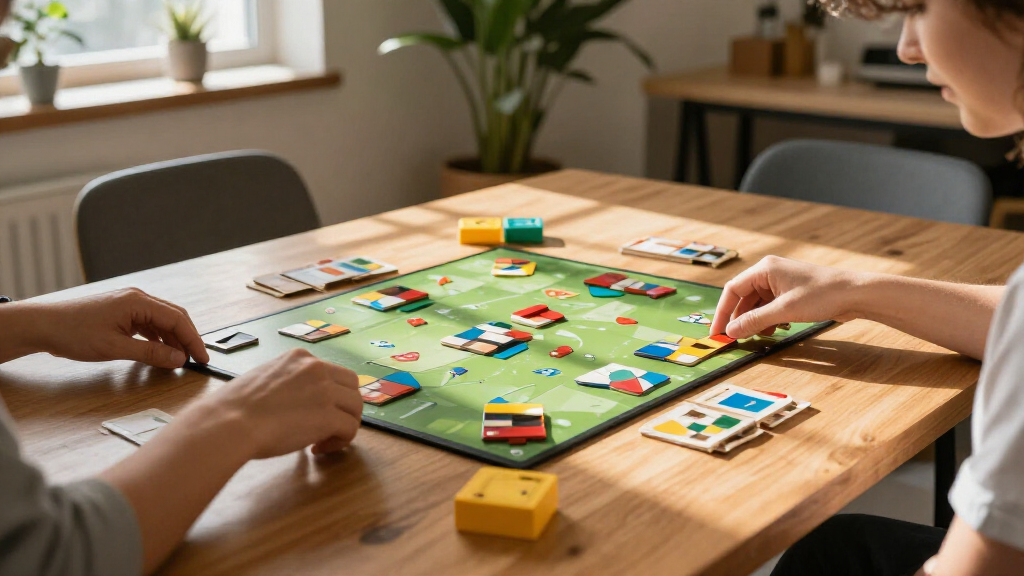
Google Labs introduced Tabletop, an experiment for groups to create and use shared interactive spaces for activities such as trip planning, dinner polls and tournament brackets. It is rolling out by waitlist to adults in the United States; broader availability and additional details have not been announced.
Google Labs has introduced Tabletop, an experiment for groups to build and use interactive shared spaces for plans and activities, from trip itineraries to tournament brackets. The service is rolling out in the United States to adults aged 18 and older through a waitlist, so access is not described as generally available.
Google describes Tabletop as a place where group members can bring together links, files and ideas, then ask “@tabletop” to generate an interactive space or choose a starter template. Examples named by Google include trip itineraries, dinner polls, expense splitters and tournament brackets. These are presented as possible uses of the experiment, not as a guarantee that every group can create any tool it wants.
After creating a space, a user can share an invite link in a group chat. Google says participants can then use the space at the same time, comparing the experience to working together in a Google Doc. The announcement does not specify how changes are tracked, what permissions hosts can set, or which types of files and links are supported.
Tabletop is labeled a Google Labs experiment. The announced initial rollout is limited by location, age and access: people must be in the United States, be at least 18 and join the waitlist. Google directs interested users to labs.google/tabletop; it has not given a public launch date or said how quickly waitlisted users will receive access.
Try Tabletop Plan and play together
Tabletop is an experiment for groups to create shared interactive spaces. Access is currently limited to adults in the United States through a waitlist.
How it works
Add links, files and ideas to a shared space.
Ask “@tabletop” or choose a starter template.
Share an invite link so participants can use the space at the same time.
What groups can make
Google’s examples cover everyday planning and activities.
Trip itineraries
Bring travel ideas together in an interactive shared space.
Dinner polls
Help a group compare options and choose a meal.
Expense splitters
Organize shared costs in a group activity.
Tournament brackets
Give a group an interactive way to organize a competition.
Who can try it
- Adults aged 18 and older
- People in the United States
- People joining the waitlist
- General availability date
- When access will expand
- Waitlist invitation schedule
Many group plans involve a string of messages, links and individual preferences. A shared interactive space could give participants one place to collect information and make decisions, whether they are choosing a meal or organizing a league. Google’s pitch is that everyone can contribute and use the resulting tool together, rather than relying on one organizer to update a plan for the rest.
The practical value will depend on details not included in the announcement: how easy the spaces are to revise, whether participants can contribute without an account, and how well the generated tools handle a group’s specific needs. For now, Tabletop is a limited experiment, so its announcement signals a product direction rather than evidence of broad adoption or demonstrated impact.
Products Worth Considering

Samsung Galaxy Tab A11+ 8GB RAM, 256GB Storage, Gray

Samsung Galaxy Tab A11+ (6GB RAM, 128GB Storage) – Gray

Samsung Galaxy Tab S7 11-inch Android Tablet 128GB Wi‑Fi with S Pen Mystic Black
As an affiliate, we earn on qualifying purchases.
How Google Describes Tabletop
Google presents Tabletop as a Google Labs experiment aimed at collaborative activities in everyday groups. Its examples span planning and coordination: organizing travel, running a rec league and hosting a potluck. The common feature is that participants can contribute material and use an interactive space together.
The announced workflow has three parts: add links, files or ideas; prompt “@tabletop” or select a template to create a space; then share an invite link. Google compares simultaneous use to a Google Doc, but the announcement does not say that Tabletop is part of Docs or provide technical details about how the collaboration works.
““Today, we’re introducing Tabletop, a new Google Labs experiment built for real-time collaboration.””
— Google AI
Access and Features Still Limited
Google has not stated how many people will receive access through the waitlist, when the rollout will expand, or whether Tabletop will remain an experiment or become a broader product. The announcement also leaves open whether users can edit templates, how generated spaces handle mistakes, and what controls are available to manage invitations and contributions.
Other practical details are also unconfirmed, including device support, account requirements for invited participants, data handling and any limits on the number or size of files. The examples establish what Google says the experiment can generate, but they do not provide independent evidence about performance or reliability.
Waitlist Rollout to Adults
The next step is access through the U.S. waitlist for people aged 18 and older. Google has not provided a schedule for invitations or announced when people outside those eligibility limits might be able to try Tabletop. Interested users can check the sign-up page for availability and any updated rollout information.
Further announcements or access to the experiment may clarify how the shared spaces work in practice, including what participants can change and how templates are customized. Until those details are public, the stated scope remains the set of examples and access conditions in Google’s announcement.
Where I land
I see Tabletop as a plausible attempt to make group coordination more hands-on: a shared itinerary or poll could be easier to act on than a long chat thread. That is a product proposition, though, not an outcome established by the announcement. The limited rollout means people cannot yet judge how useful the spaces are across different groups.
The strongest counterargument is that groups already coordinate through familiar tools, and another shared space could add friction if invitations, editing or setup are awkward. I would revise my assessment if access shows that participants can quickly create useful spaces, contribute without confusion and keep plans current; evidence about adoption and feedback from the waitlist would help establish whether Tabletop solves a recurring problem.
Source: Google AI
Key Questions
What is Google Tabletop?
Tabletop is a Google Labs experiment for creating interactive spaces that groups can use together for planning and activities.
What can people make with Tabletop?
Google gives trip itineraries, dinner polls, expense splitters and tournament brackets as examples. People can add links, files and ideas, then prompt “@tabletop” or select a starter template.
Who can sign up?
The announced rollout is for people aged 18 and older in the United States, through a waitlist.
When will Tabletop be generally available?
Google has not announced a general availability date or a schedule for expanding access beyond the waitlist rollout.
Source: Google AI