
By Thorsten Meyer | November 25, 2026 | ThorstenMeyerAI.com

Get business pricing on tech for your team
- Business-only prices and quantity discounts
- Tax-exempt purchasing
- Multiple users, one account, clear invoices
I no longer pay other vendors for the software I run my work on. I pay for several Claude and Codex subscriptions, and AI coding agents build the tools I need. Then I make those tools agentic, so they can work together as one fleet, and I shape each of them to fit my business.
This article is the written companion to our deep-dive video. It explains the idea from zero: what you pay for when you rent software, what an AI coding agent does, and what “agentic” means. Then it shows the real tools, how one job travels through them, and the honest downside. I build this way myself, so I speak in the first person about my own practice. Where something is my opinion, I say so.
Key takeaways
- The switch: my web analytics, project tracking, PDF tools and video recording now run on tools I own. My only software bill is for Claude and Codex subscriptions. The AI models behind voices, pictures and clips are paid per use.
- The builders: AI coding agents wrote the tools. They read code, write code, run tests and report back. I set the goals and check the results.
- The real gain: each tool explains itself to other software. A short guide to read and a standard door to knock on let agents use the tools without a person clicking.
- The scale: seven of the tools in this article have 5,648 commits and 2,128 test files, measured in our own repositories on Nov 24, 2026.
- The price: maintenance, security and review are now my job. And I now depend heavily on two AI companies, Anthropic and OpenAI.
One job, seven stops
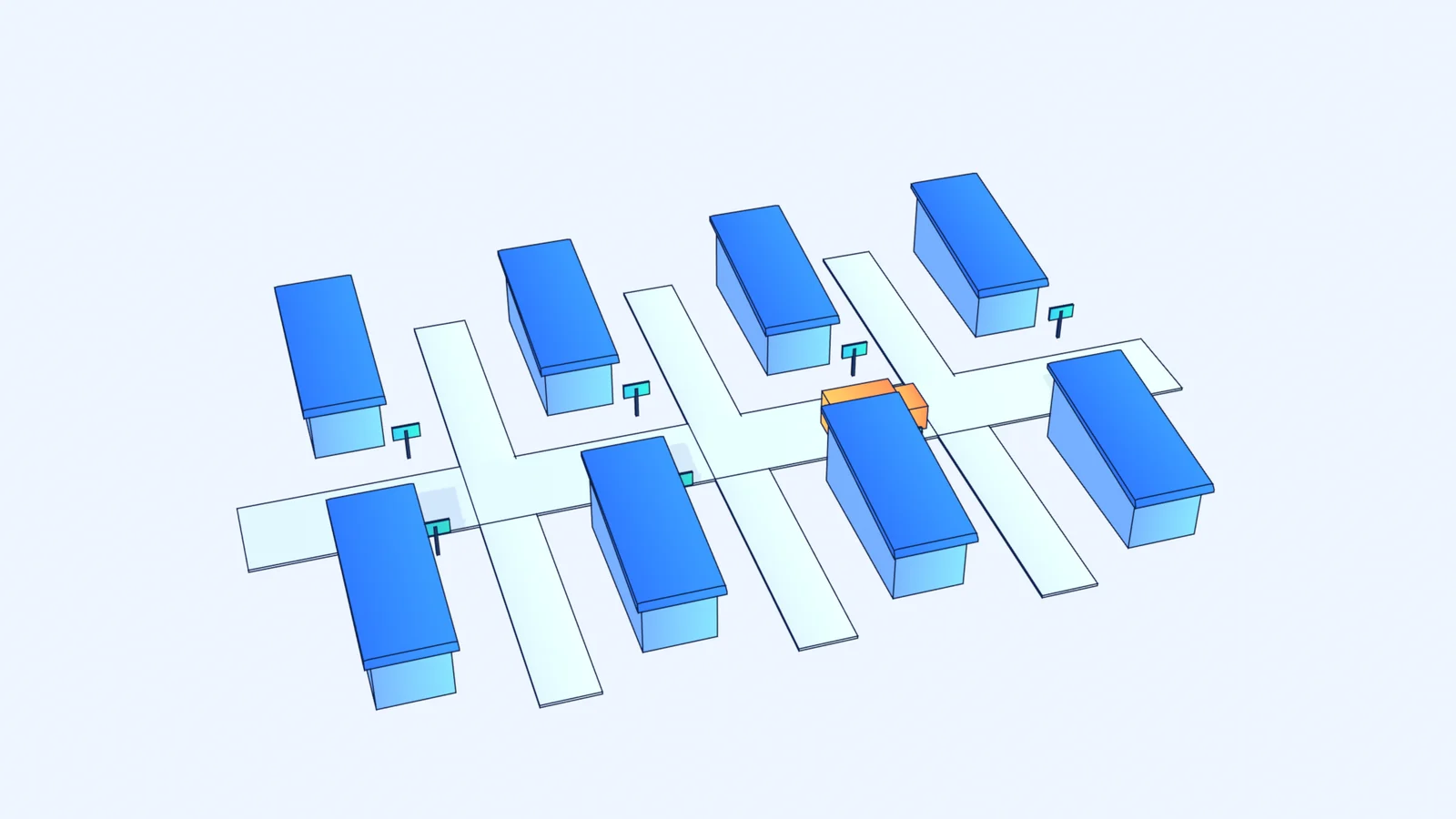
How this article and its video travelled through the fleet. The orange dot is the job; the agents carry it.
- TrackerThrelmarkThe job starts as an item, with the project’s rules.
- Guideseach tool’s own guideFacts about each tool come from the tool itself.
- TranscriptstrecReference videos, transcribed and measured.
- PDF toolown PDF toolThe NIST definition, with its page.
- 3D modelsown model libraryThe town is built from library houses.
- PublishingChannelHelmThe finished video, handed over as sent.
- AnalyticsGrynlumeRead-only: did people read the article?
Products Worth Considering

Sony WH-1000XM6 Wireless Noise-Canceling Headphones, Black

DJI Osmo Action 5 Pro 4K Waterproof Action Camera with Dual OLED Touchscreens, Froggi 47-Piece Sport Kit and SD Card

Apple Watch Series 12 GPS 42mm Smartwatch
As an affiliate, we earn on qualifying purchases.
What this means for you
If you run a small business or work alone, you can now build a tool for exactly one customer: you. The scarce part is no longer the code. It is knowing exactly what you need, and checking that you got it.
If you are an employee, the person who can describe a workflow precisely becomes valuable. You don’t need to type code. You need to know what “done” looks like.
If you sell software, some small customers can now build a narrow version of your product for themselves. I think that changes what you are paid for: reliability, support, security, and being easy for agents to use.
And if you don’t enjoy building things, renting stays a fine choice. This way of working fits people who like to build.
What are you actually paying for when you rent software?
Most software today is not bought. It is rented. You pay every month and use it in your browser. The industry calls this software as a service. The US standards institute NIST defines it like this: you use “the provider’s applications running on a cloud infrastructure” (NIST SP 800-145, p. 2, PDF page 6).
The important part is what you don’t control. NIST says the user does not manage the servers, the storage, “or even individual application capabilities”, apart from some settings. Think of it as renting a desk in someone else’s office building. It’s clean and ready, and someone else fixes the lights. But you can’t move the walls, and your files sit in their building.
Many small firms now rent many such desks: one for analytics, one for tasks, one for documents, one for video. Each comes with its own login, its own rules and its own bill.
What changed? What does an AI coding agent do?
An AI coding agent is an AI model that works inside a software project, not just in a chat window. You describe a task in plain words. The agent reads the code, writes new code, runs the tests and reports back. Claude Code from Anthropic and Codex from OpenAI are two such agents. I use both.
How good are they? I think Claude and Codex work like senior developers. In my experience, they are ahead of the average human coder. That picture has a limit. A senior hire learns your business over months. The agent starts each session fresh, unless you write things down for it. And like any senior developer, it still needs a reviewer. That is why my projects carry notes for the agents: rules, plans and a log of what was done.
When building gets this easy, the question flips. It is no longer whether you can afford to build a tool. It becomes whether you know exactly what you need.
What does “agentic” mean in plain words?
A normal app is built for a person. You click buttons and read screens. An agentic app is also built for other software. An AI agent can find out what the app does and then use it, without a person clicking.
For that, the agent needs two things: a guide it can read and a door it can knock on. The guide is a short text file that sits on the tool. A public proposal by Jeremy Howard describes such a file as information “to help agents use a website” (llmstxt.org). The door is often the Model Context Protocol, or MCP. Anthropic released it as open source on Nov 25, 2024 and called it “an open standard” for “two-way connections between their data sources and AI-powered tools” (Anthropic).
The project’s own documentation offers a picture: “Think of MCP like a USB-C port for AI applications” (MCP documentation). One plug shape, many devices. The limit of that picture: a plug only connects. It does not decide what is allowed. Permissions and keys stay your job.
What is a fleet of services?
A service is a program that runs all the time on a computer and waits for requests. A fleet is many of them, spread over several machines, that know how to reach each other.
Here is the picture I use. Renting software is like renting desks in many office buildings across town, each with its own door and key card. My fleet is more like a small town of my own workshops. Every workshop has a sign at the door that says what it does, and roads run between them. The agents are the delivery vans. They carry work from one workshop to the next.
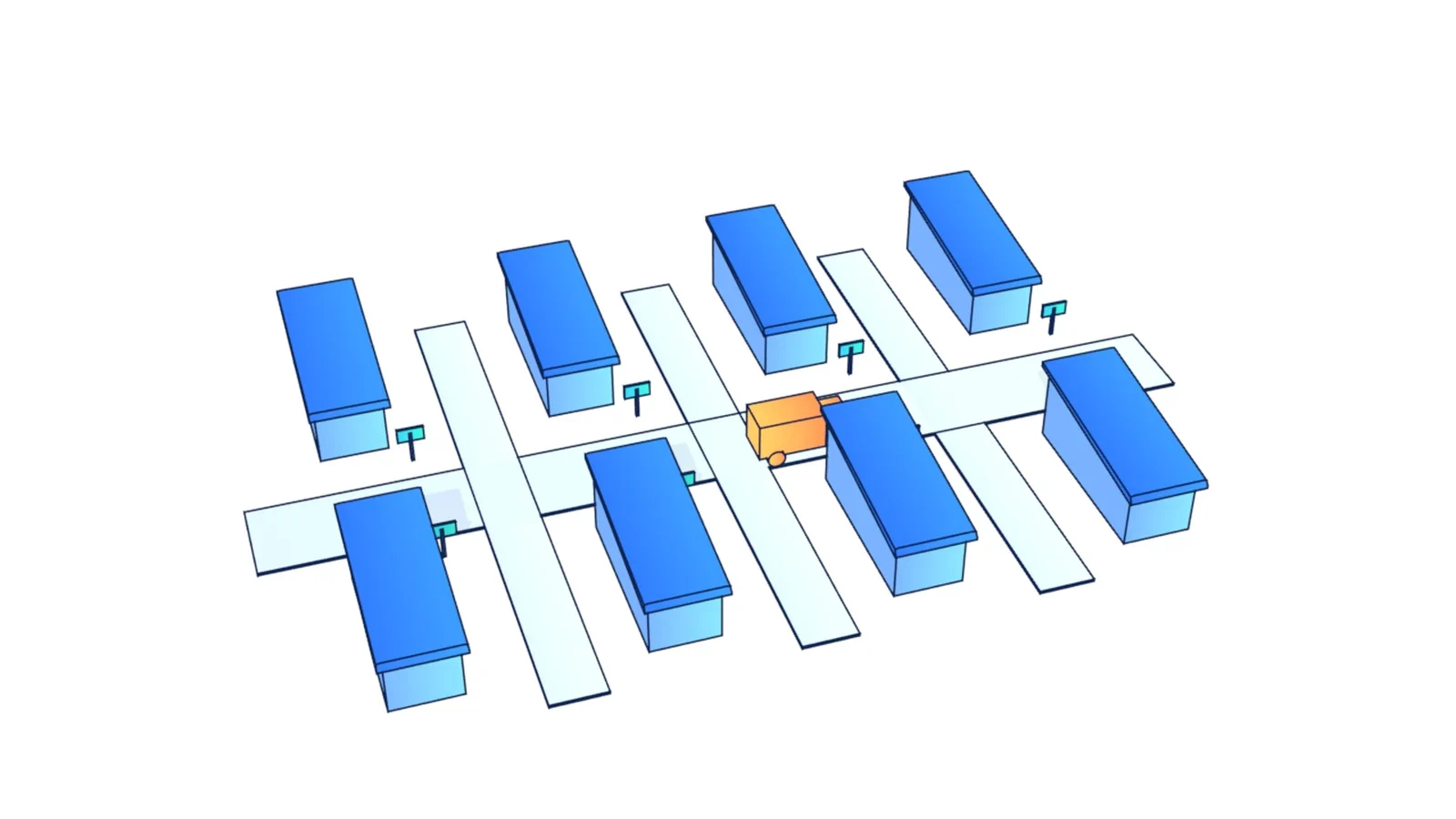
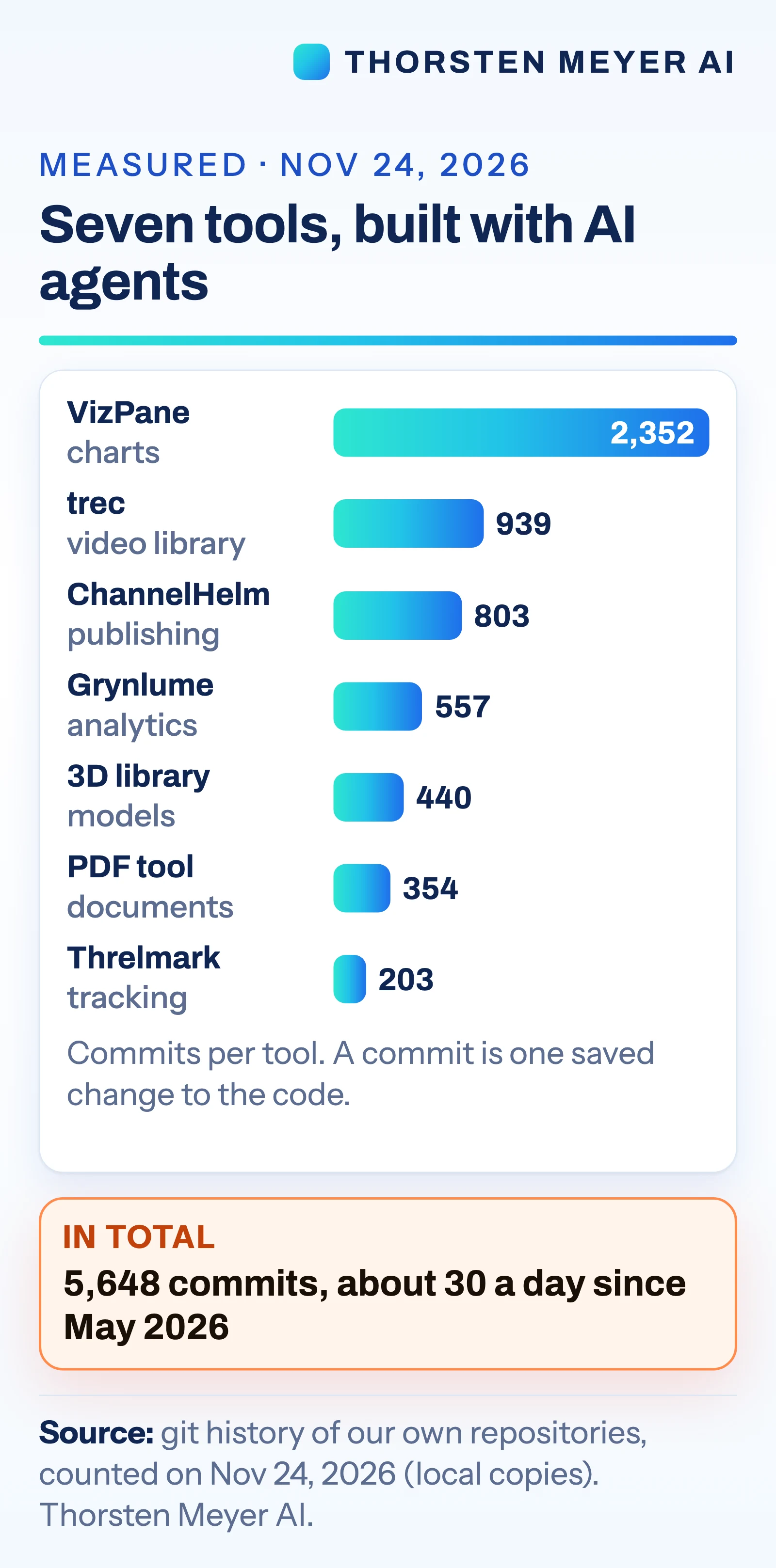
The limit of the picture: a real town grows over decades. Mine grew in months, and a road can break when one workshop changes. How big is it? Seven of the tools in this article have 5,648 commits in total. A commit is one saved change to the code. That is about 30 a day since the oldest of them started in May 2026.
Which tools did I build, and what does each one do?
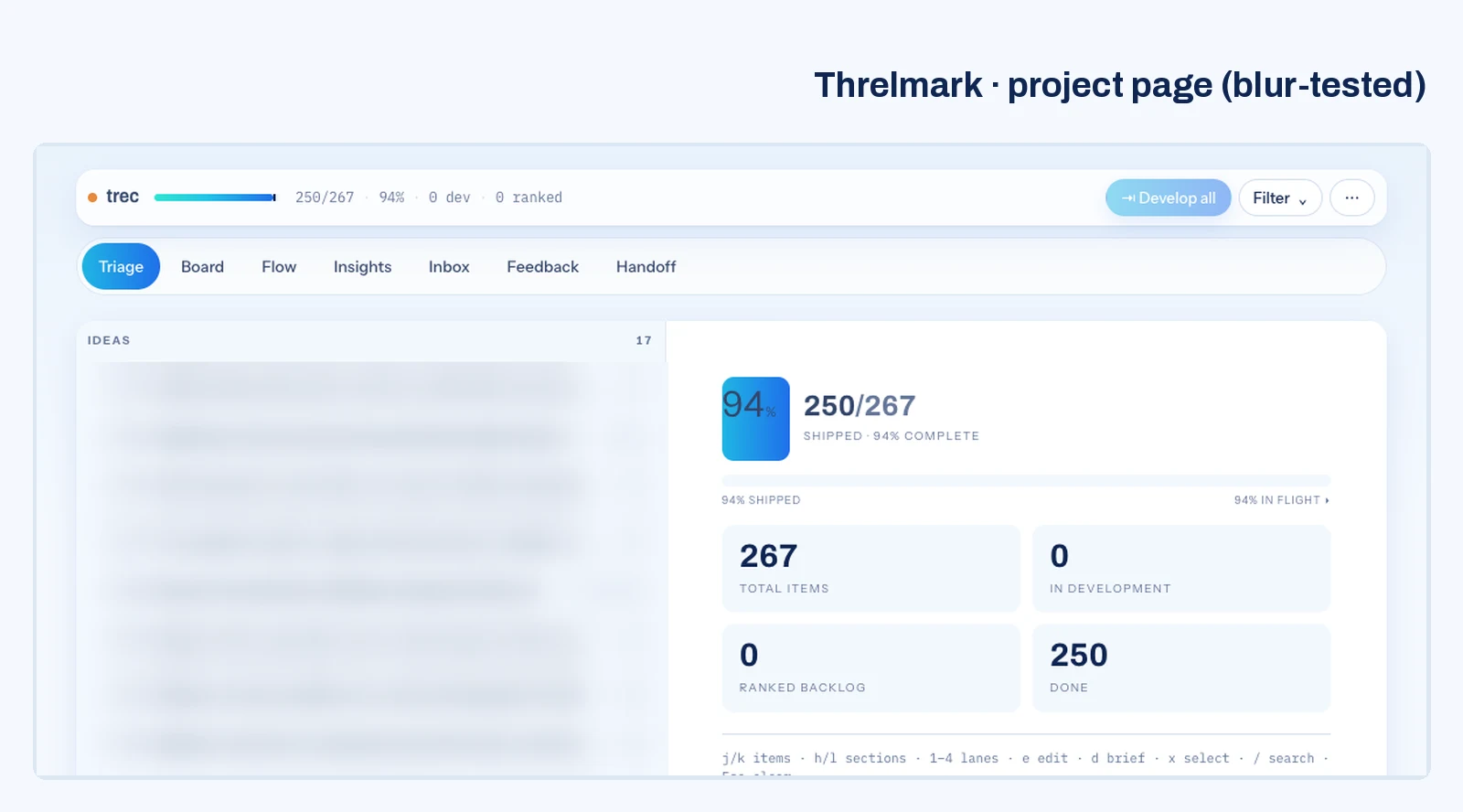
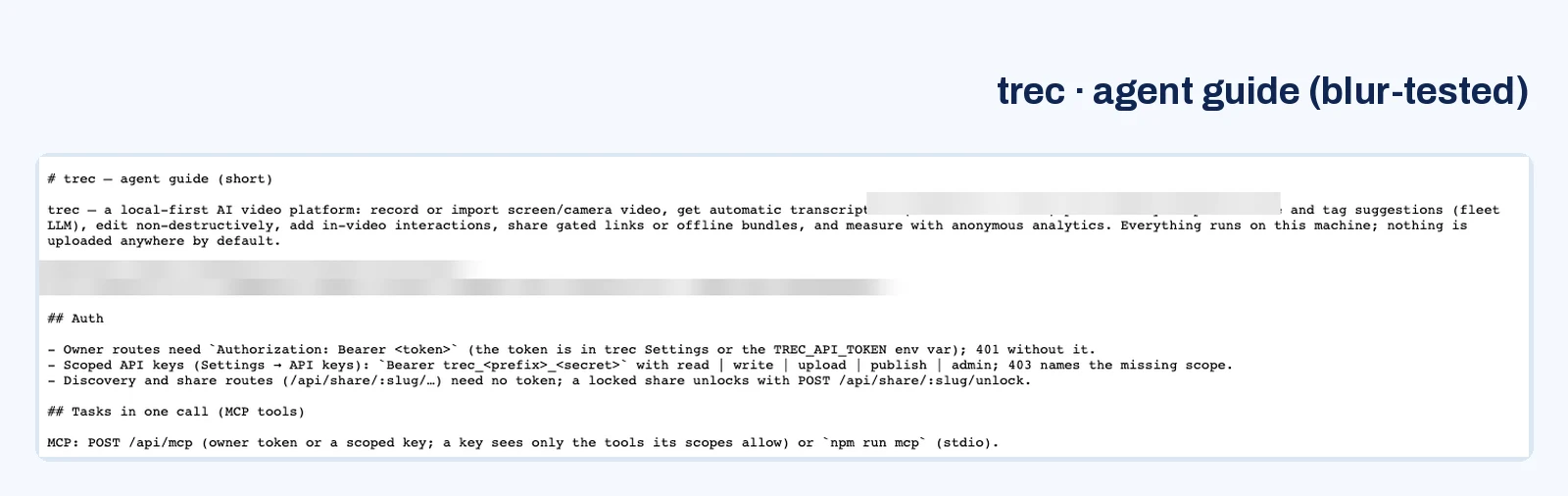
Each case below follows the same pattern: the task, what I built, and the result. The facts come from each tool’s own description, its guide for agents and counts we measured in our own repositories. The screenshots passed a blur test: no addresses, keys, revenue or traffic numbers.
Project tracking: Threlmark
The task: keep track of every project, every open item and every finished piece of work. Teams often rent tools such as Jira or Linear for this. What I built is Threlmark, a project and roadmap hub that runs on my own machines. Its data is stored as plain files on disk, “so your other tools can read a project’s roadmap and write suggestions back into it”, as its README puts it.
The agentic part is a rule in my fleet. Every agent session checks in with Threlmark first, gets the project’s rules, does the work and reports back. A report only counts as done with a concrete outcome: what shipped and how it was checked. The result: Threlmark tracks 178 projects today. On Nov 24, 2026, the trec project page showed 250 of 267 items done.
Web analytics: Grynlume
The task: know how people find my websites and what they read. Many sites use tools such as Google Analytics or Plausible for that. What I built is Grynlume. Its README calls it “Self-hosted, privacy-first web analytics”. Self-hosted means it runs on my machines. The visitor counter itself stays anonymous. It has a live view, funnels and goals, and an AI insights panel. A funnel shows how many people make it from one step to the next.
Agents in my fleet read Grynlume through a read-only connection. They can look, but they can’t change anything. An agent that plans an article can check which pages people actually read. I don’t publish my traffic numbers, so the numbers in the screenshot are blurred.

Charts and dashboards: VizPane
The task: turn raw data into pictures that people understand. What I built is VizPane. Its manifest calls it a “Self-hosted, zero-egress, agent-native analytics & operations platform”. Zero egress means no data leaves my machines. In its own words, “Every capability is a key-protected HTTP API and an MCP tool, so an AI agent can do anything an analyst can”. On Nov 24, 2026, the manifest listed 86 chart types and 82 tools for agents. My rule for it: real data only, never demo data.

Video library: trec
The task: record, store and search my videos and reference material. Tools such as Loom sell screen recording as a service. What I built is trec. It records the screen, imports videos and writes transcripts, summaries and chapters. You can ask the whole library a question, and the answer points to the right second. The “Agent access” part of its README states the agentic idea in one sentence: “anything a human can do in the studio, an agent can do over HTTP.” And it hands out scoped keys, for example a key that can only read.
A real case from this week: I wanted my videos to explain more, so I picked five explainer videos by another creator as models. An agent imported all five into trec, and trec’s pipeline transcribed them. With heavy load on that machine, processing took about 3.5 hours. Then the agent measured the transcripts: speaking pace, questions per minute, how often the speaker says “you”. The result is the explaining style of this article and its video.
Media studio and editing: Frostvyn and Cutrova
The task: make the pictures, voices and clips for videos, and cut them. What I built is Frostvyn, my internal media studio. Its own notes call it “the fleet’s internal media studio (images, video, audio) with a price before every generation and an MCP server for agents”. One example from its documentation: “A text becomes one finished speech track in one call.” Every line is checked, and the whole track gets the same voice filter and loudness as our videos. Frostvyn also keeps invented characters the same across pictures, clips and films, which matters for a series.
Frostvyn did not start from zero. It is a private fork of an open-source studio, rebuilt by my agents for the fleet. And it shows a price first, because the models behind voices, pictures and clips are paid per use. That is a bill too, but for raw material, not for software.
The cut happens in Cutrova, my video and audio editor. Its README says you “edit from the transcript”. Its editing agents work as a pair, in its own words: “Cutter proposes, Reviewer checks, you decide.”
Publishing: ChannelHelm
The task: publish videos to YouTube with title, description, chapters and thumbnail, and schedule the Shorts. What I built is ChannelHelm. Its pitch: “Drop a video. Get a publishing kit.” It drafts the assets; “You review, edit, approve, and ship.” In my fleet, agents use its handoff door. ChannelHelm uploads a finished video “exactly as you send it”, cuts Shorts from it and schedules them one per day. For such a video it “writes no title, description, tags or thumbnail of its own”. The agent that made the video stays responsible for the words.

News monitoring: Stenvrik
The task: know what is happening, fast, from sources you can trust. What I built is Stenvrik. Its public website calls it a “Live news globe” in closed beta that “pins today’s reporting from 885 hand-curated sources to the cities where it happens”. It lifts what is gaining momentum and groups the same story across outlets, so “You read the story once, not twelve times.” If you opened one source every minute, you would need almost 15 hours to see each one once. One tap opens the original reporting at the publisher, and that original is what counts as proof.
Topics: Tiund
The task: find out what people actually want to watch. What I built is Tiund. Its README calls it “Self-hosted YouTube intelligence”. It “finds videos that perform far above their channel’s normal baseline”, spots rising topics and turns them into ideas and briefs. The name is Old Norse for “a tenth”: “the one video in ten that breaks out.” For this channel, an agent picks the daily big topic from proposals like these. This article’s topic came straight from me.
New ideas: IdeaClyst and IdeaNavigator
The task: test new product ideas before anyone builds them. What I built is IdeaClyst. Its guide calls it “a local-first product-intelligence workspace that turns rough ideas and market spaces into research packets, multi-agent council decisions, build plans”. The council is a structured discussion between Claude Code and Codex, and the result is kept as evidence. IdeaNavigator is the public side: its plan is to publish “one complete, research-grounded business idea every day” for solo builders and founders. I think two AI models that have to argue are easier to check than one that simply agrees with you.
A PDF tool and a 3D model library
Two more tools I describe without their names. The first reads PDFs. Its rule: “every number points to the page it came from.” The NIST definition above came through it, with its page. The second is a library for 3D models. Every model is catalogued with where it came from, and agents search it before they build anything new. The town in the 3D picture above uses eight houses from that library.
Shared memory: Second Brain
The task: make sure agents don’t forget what they learned. What I built is Second Brain, the shared memory of my agents: a wiki of plain text notes kept in version control. A small program finds the right note first, without any AI, and “the model only reasons at the end, with evidence attached.” When the brain does not know something, it says so instead of guessing. Picture it as the library in the middle of the town: every van can drop off a note and look one up. We explain it in detail in What Is a Second Brain? How My AI Agents Share One Memory.
How do the tools work together?
Take one real job: making this article and its video. It started as an item in Threlmark, and the rules for the job came with it. The facts about each tool came from the tools themselves: their own guides, their descriptions and counts measured in their code. The reference transcripts came from trec. The NIST definition came through the PDF tool, with its page. The 3D town was put together from the model library and rendered on one of my machines. The finished video goes to ChannelHelm with its title and chapters already written. Grynlume will show whether people read this page.
On a normal day, the chain the fleet is built for looks like this: a topic comes from Tiund, an agent writes the script, Frostvyn makes the voice and the pictures, Cutrova helps with the cut, and ChannelHelm publishes. Every stop has its own guide and its own door. The limit: a chain is only as strong as its weakest stop.
No person clicked through those steps one by one. People set the goal, and people check the result. I think that is the real difference to rented tools. It’s not that my tools are better. Many rented tools are excellent. Mine were built to let the van through.
Why build instead of rent?
Because of fit. Here is one example. I decided that all my apps should group my websites the same way: one list of groups, everywhere. Rented tools each have their own idea of groups. With my own tools, I could make that one list the rule. Grynlume, for example, now aligns its sites to that list and offers those groups to every agent.
I think this is the part people underestimate. The value isn’t the single tool. It’s the fit between them. A product built for millions of customers has to fit everyone a little.
What does this cost besides the subscriptions?
Maintenance. Every tool I own is a tool I fix. When something breaks at night, there is no vendor support to call.
Security. My tools run inside my own private network, and they handle keys and data. A mistake there is my mistake.
Review effort. AI writes code fast, and it writes mistakes fast too. So nothing in my fleet counts as done because an AI says so. Every change needs real test runs first. For bigger changes, a second AI model reviews the code and can only read: Codex reviews what Claude wrote. “Passed” only counts from real runs, never from an agent’s report. Those seven tools carry 2,128 test files. That is what it takes to trust code you didn’t type yourself.
Time. Planning, checking and fixing take hours. I even have a rule: if checking and fixing take longer than building, I get a warning.
Dependence. I stopped depending on many vendors, but now I depend on two. Their limits are real. In my fleet, about 8 Claude agents can run at the same time before the rate limit kicks in. A rate limit is a cap on how many requests you may send in a given time. When Codex is not available or its quota runs out, a second Claude agent does the review instead. Imagine one supplier who delivers all your raw material: great quality, fast delivery, until the day they change their terms. I think that is the real risk here.
Is this a good idea for everyone?
Let’s take the strongest objections seriously.
- You’re just moving the bill. You pay with time instead of money. I think that is partly true. It only pays off if the fit is worth that time.
- Rented software is safer. Big vendors have security teams, audits and certifications. A one-person fleet doesn’t. For customer data, that is a strong argument.
- What if you stop? If the builder leaves, the tools can become orphans. A rented tool keeps running without you.
- AI will make the vendors better too. Probably. MCP support is spreading, and its documentation names Claude and ChatGPT as apps that can connect.
Myth check: do you need to be a programmer to build your own tools with AI? Partly true. You don’t need to type the code. But you need to read plans, judge results and say no.
What we know and what we don’t know
What we know: the tools exist and run every day. Their descriptions, guides and counts above come from their own repositories and documentation, read and measured on Nov 24, 2026. So far, in four recent work packages, the first review round found almost all of the real problems, according to our own review rule.
What we don’t know: how the maintenance load grows. Most of the tools in this article are less than a year old, and year two will tell. We don’t know how the AI subscriptions will change; limits and terms can move. And we don’t know how well AI review catches security problems over years, not weeks.
What would tell us: how much of my week goes into fixing instead of building, whether vendors open their products to agents, and whether the first review round keeps finding the real problems.
The bottom line
So, what if you stopped buying software and started building it? The town is real, and it works. But every road needs upkeep, and the upkeep is mine.
- Building software for one specific need is now within reach. The scarce part is knowing exactly what you need, and checking that you got it.
- Agentic means tools that explain themselves to other tools: a guide to read and a door to knock on. That is where the value multiplies.
- Owning means maintaining. Budget time for tests, reviews and fixes, or don’t build it.
The real product isn’t any single tool. It’s the fit between them.
Further reading
- Why I Switched to T3 Code: Claude, Codex and Several Macs in One Workspace
- What Is a Second Brain? How My AI Agents Share One Memory
- I Gave My AI Agents a Shared Desk
Sources
- Owner statement on costs and replaced tool categories, Thorsten Meyer, Nov 24, 2026 (first-party).
- NIST, SP 800-145, The NIST Definition of Cloud Computing, Sept 2011, p. 2 (PDF page 6): https://nvlpubs.nist.gov/nistpubs/Legacy/SP/nistspecialpublication800-145.pdf
- Anthropic, Introducing the Model Context Protocol, Nov 25, 2024: https://www.anthropic.com/news/model-context-protocol
- Model Context Protocol documentation, What is MCP? (read Nov 24, 2026): https://modelcontextprotocol.io/docs/getting-started/intro
- Jeremy Howard, The /llms.txt file (proposal, read Nov 24, 2026): https://llmstxt.org/
- Stenvrik, public website (read Nov 24, 2026): https://stenvrik.com/
- Threlmark, Grynlume, VizPane, trec and ChannelHelm: their own READMEs, agent guides and manifests, read on Nov 24, 2026 (internal documentation).
- Counts (commits, test files, chart types, agent tools, projects): measured in our own repositories and services on Nov 24, 2026.
Measured per tool on Nov 24, 2026 (commits, test files, first commit):
- ChannelHelm: 803 commits, 254 test files, first commit May 18, 2026
- Threlmark: 203 commits, 98 test files, first commit May 31, 2026
- VizPane: 2,352 commits, 877 test files, first commit June 23, 2026
- trec: 939 commits, 457 test files, first commit July 6, 2026
- Grynlume: 557 commits, 141 test files, first commit July 9, 2026
- 3D model library: 440 commits, 104 test files, first commit Aug 12, 2026
- PDF tool: 354 commits, 197 test files, first commit Nov 6, 2026
Disclosure: Researched and drafted with AI assistance, including Anthropic’s Claude. This article is about building software with Anthropic’s Claude and OpenAI’s Codex; I use both and pay for both. Neither company reviewed or sponsored it, and we name their limits and risks above. Our own text and graphics contain no affiliate links; offer and product boxes added by the site may contain Amazon affiliate links. Our graphics are our own; the 3D picture is schematic; screenshots are of my own tools, blurred where needed. Boxes added by the site may show product photos or people. Not investment, legal or tax advice.