TL;DR
Google is adding Gemini-based agent features to Google Ads and Google Analytics, including homepage summaries, custom insights, visual dashboards and peer benchmarks. Google says the tools can speed up analysis, but it has not disclosed detailed rollout schedules, accuracy measures or benchmarking methodology.
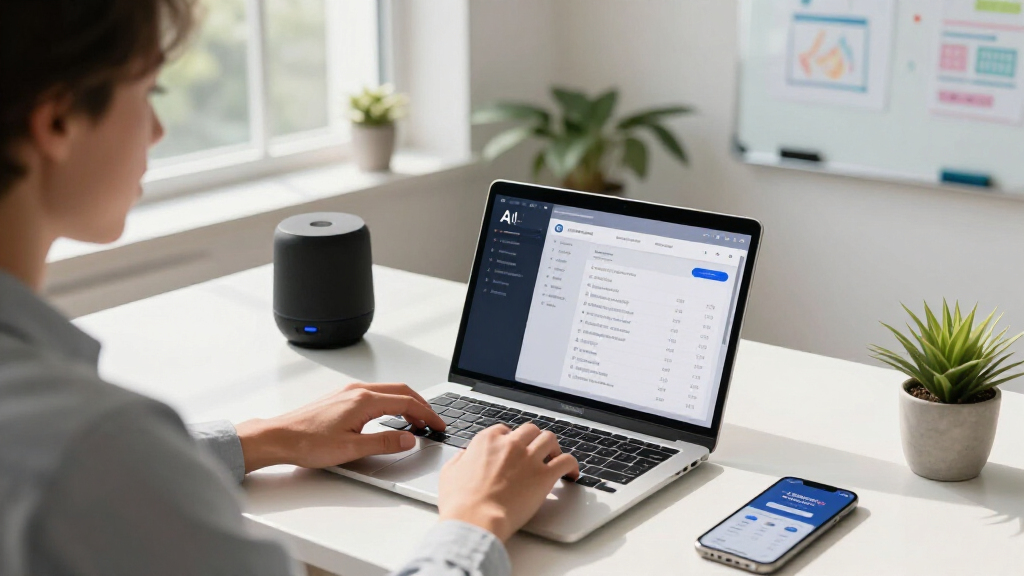
Google announced new Gemini-based AI tools for Google Ads and Google Analytics on August 10, adding automated performance summaries, prompt-generated insights, visual dashboards and campaign benchmarks. The additions expand Ask Advisor, Google’s in-product marketing agent, as the company seeks to shorten the path from finding a performance change to acting on it.
Google Analytics is adding AI Overviews to its homepage that summarize developments since a user’s previous visit. Google said the summaries can flag seasonal sales peaks, traffic changes and other performance shifts. Selecting an insight card transfers its context into Ask Advisor for further analysis, while optional phone and email notifications can deliver summaries at a user-selected frequency.
The Google Ads homepage is also receiving personalized AI-powered insight cards. Marketers can use a prompt box to request a custom analysis, including questions about competitor effects on impression share or trends that could influence campaigns. These outputs are generated by Google’s systems and should be treated as analytical assistance rather than independently verified conclusions.
Google also announced prompt-generated Dashboards for Google Ads, with an Analytics version scheduled for a later release. The company said users can turn raw data into visual reports through text instructions, accompanied by automated real-time explanations. A new Ask Advisor benchmarking feature in Analytics compares campaign results with anonymized averages from similar businesses, according to Google.
Evolve Your Marketing With New AI Tools
Google is moving Gemini deeper into Google Ads and Google Analytics with automated summaries, custom prompt analysis, visual dashboards and peer benchmarks. The promise is faster insight—but the evidence, methodology and rollout details remain incomplete.
What Gemini adds to the marketing workflow
The additions expand Ask Advisor from a question-answering assistant into a more visible layer across reporting, exploration and campaign decision-making.
AI Overview cards
Personalized summaries surface seasonal peaks, traffic movement, impression-share changes and other developments since the user’s previous visit.
Custom insights
Marketers can ask about competitor effects, trends and campaign performance. Insight-card context can transfer directly into Ask Advisor.
Generated dashboards
Text instructions turn raw Google Ads data into visual reports with automated real-time explanations. An Analytics version is planned later.
Peer benchmarks
Ask Advisor compares campaign results with anonymized averages from businesses Google identifies as similar.
Scheduled summaries
Optional phone and email notifications can deliver AI summaries at a frequency selected by the user.
Connected analysis
Insights, questions and related actions live closer together, reducing the need to move between reporting and campaign interfaces.
Announced does not always mean available
Google said marketers can begin checking for the new solutions, but account-level access may vary and several implementation details remain unresolved.
| Capability | Google Ads | Google Analytics | Status | What remains unclear |
|---|---|---|---|---|
| Homepage AI insights | ✓ Announced | ✓ Announced | ~ Account dependent | Full regional and account rollout sequence |
| Prompt-generated analysis | ✓ Included | ✓ Ask Advisor | ✓ Rolling out | Accuracy rates and error-testing results |
| Generated dashboards | ✓ Announced | ✗ Coming later | ~ Staged | Analytics launch date |
| Peer benchmarking | ~ Campaign data | ✓ Ask Advisor | ✓ Announced | Cohort rules, minimum data and comparison method |
| Phone and email summaries | ~ Not detailed | ✓ Optional | ~ Opt-in | Delivery availability by account and region |
✓ announced or included · ✗ not yet released · ~ conditional, partial or unspecified
A shorter path from signal to campaign change
The workflow becomes conversational and continuous. The critical control point is the human review between AI explanation and real-world action.
Detect
An AI Overview flags a shift such as lower impression share, unusual traffic or a seasonal peak.
Interrogate
The insight transfers into Ask Advisor, where the marketer asks follow-up questions in natural language.
Verify
The analyst checks source metrics, date ranges, attribution settings, normal variation and competing explanations.
Act
Only after review does the team adjust budget, targeting, reporting or campaign strategy.
Strong product claims, limited validation detail
This qualitative evidence map reflects what the announcement describes—not measured product performance or a numerical accuracy score.
Keep every AI-assisted decision auditable
A disciplined chain preserves the original signal, the generated interpretation, the human judgment and the resulting action.
Can marketers rely on the recommendations?
Use them for directional analysis, not as independently verified conclusions. Review the source data before making consequential changes.
How does benchmarking work?
Google says results are compared with anonymized averages from similar businesses, but detailed cohort selection and safeguards were not disclosed.
Are all tools available now?
No universal rollout schedule was provided. Availability may vary by account, and Google Analytics dashboards are planned for a later release.
What changes for marketing teams?
Routine reporting may become faster, leaving more time for investigation—but teams need stronger review practices and decision records.
Source context: Google AI announcement · Updated August 2026
Faster Decisions, New Verification Burden
The announcement moves generative AI deeper into the daily measurement and campaign workflow, rather than limiting it to writing advertisements or suggesting creative material. If the features perform as described, analysts could spend less time assembling routine reports and more time examining unexpected changes and campaign choices.
The tools may also influence how quickly businesses move advertising budgets. A summary that identifies falling impression share or an emerging demand pattern could prompt an earlier response. That speed creates a parallel need for human review of AI-generated explanations, especially when an insight affects spending, audience targeting or performance reporting. Google said marketers remain in control, but it has not provided independent evidence showing how often the recommendations are accurate or useful.

The Real AI Side Hustle: A Beginner's Guide to Building Real Passive Income with ChatGPT, Claude, and AI Tools — No Coding, Real Dashboards, Real Failures
As an affiliate, we earn on qualifying purchases.
As an affiliate, we earn on qualifying purchases.
Ask Advisor Expands Its Role
Google introduced Ask Advisor as an in-product AI agent across its marketing platforms before this announcement. The service was designed to answer questions about performance and help users take related actions without moving between separate reporting and campaign tools.
The August additions broaden that role by placing automated summaries on product homepages, linking those summaries to deeper analysis and adding peer comparisons. Google said the new capabilities are built with Gemini. The announcement reflects a wider shift among advertising platforms toward conversational interfaces that interpret data and propose actions, though Google supplied no third-party comparison with competing products.
“Ask Advisor has become my go-to for a directional check on paid media performance… That speed matters because it gives me time to dig deeper.”
— Kevin Marshall, paid media director at Gardyn

AI for Life: 100+ Ways to Use Artificial Intelligence to Make Your Life Easier, More Productive…and More Fun!
As an affiliate, we earn on qualifying purchases.
As an affiliate, we earn on qualifying purchases.
Accuracy and Rollout Details Missing
Google did not publish accuracy rates, error testing or comparative evidence showing that the new features improve campaign outcomes. It is also unclear how the systems distinguish meaningful performance shifts from routine variation, or how consistently their written explanations reflect the underlying data.
The company did not provide a detailed regional or account-level rollout schedule. The precise criteria used to define “similar businesses” for benchmarking, minimum data requirements and safeguards against misleading comparisons were not disclosed. Google described the averages as anonymized, but the announcement offered little technical detail about that process.
As an affiliate, we earn on qualifying purchases.
Dashboard Rollout Moves to Analytics
Marketers can begin checking Google Ads and Google Analytics for the new homepage insights and Ask Advisor features. Availability may vary by account because Google did not describe the full rollout sequence. Users will also need to opt in if they want scheduled phone or email summaries.
The next stated milestone is the arrival of Dashboards in Google Analytics. Google has not announced a release date. Adoption and subsequent product updates may show whether marketers use these tools mainly for routine reporting, exploratory analysis or direct campaign changes.
Source: Google AI

Marketing Analytics Dashboards Design: Mastering Data Visualization with Figma and Google Looker Studio: A Comprehensive Guide to Creating Engaging and Insightful Visual Analytics
As an affiliate, we earn on qualifying purchases.
As an affiliate, we earn on qualifying purchases.
Key Questions
What did Google announce for Ads and Analytics?
Google announced AI-generated homepage insights, custom prompt analysis, visual dashboards and campaign benchmarks. The features extend Ask Advisor across Google’s marketing products.
Are all the new tools available now?
Google said marketers can begin using the new solutions, but availability may depend on the account. Dashboards are coming to Google Analytics at a later date, with no specific release schedule disclosed.
How does the benchmarking feature work?
According to Google, Ask Advisor compares campaign performance with anonymized averages from similar businesses. Google has not explained the detailed cohort selection or comparison methodology.
Can marketers rely on the AI recommendations?
The tools can provide directional insights and automated explanations, but Google has not released independent accuracy testing. Marketers should review the underlying data before making budget or campaign changes.
Source: Google AI