TL;DR

Get business pricing on tech for your team
- Business-only prices and quantity discounts
- Tax-exempt purchasing
- Multiple users, one account, clear invoices
OpenAI has published a letter addressed to Texas Gov. Greg Abbott about responsible AI infrastructure in the state. The available announcement does not disclose the letter’s recommendations, Abbott’s response or any resulting policy action.
OpenAI has sent a letter to Texas Gov. Greg Abbott concerning responsible AI infrastructure in the state, placing the company in a policy discussion that could affect large computing facilities, surrounding communities and future AI investment. The letter’s detailed recommendations and Abbott’s response have not been disclosed in the available announcement.
The confirmed development is limited but direct: OpenAI issued a letter, addressed it to Governor Abbott and identified responsible AI infrastructure in Texas as its subject. The announcement does not provide the letter’s full wording, a list of requested actions or a timetable for a state response.
The title also does not establish whether OpenAI is supporting new legislation, proposing voluntary industry commitments, responding to an Abbott policy initiative or discussing a particular infrastructure project. Any account of the company’s position on permitting, electricity, water, taxation or local oversight would go beyond what has been publicly confirmed through the announcement.
The letter represents corporate advocacy directed at state leadership, rather than a new law, regulatory order or construction approval. Abbott’s office has not been shown in the available information to have accepted, rejected or answered OpenAI’s position. No immediate change for residents, utilities or project developers can be attributed to the letter alone.
OpenAI’s Letter to Governor Abbott
OpenAI has published a letter addressed to Texas Gov. Greg Abbott concerning responsible AI infrastructure in the state. The outreach is confirmed; its recommendations, the governor’s response and any resulting policy action are not disclosed in the available announcement.
Texas Gov. Greg Abbott
No specific policy request disclosed
Abbott’s position remains unknown
Further government action would be required
Known, unknown and not established
The available announcement confirms a narrow development. Claims about permitting, electricity, water, taxation, local oversight or particular projects would exceed the published evidence.
A letter was sent
OpenAI issued correspondence to Governor Abbott and identified responsible AI infrastructure in Texas as the subject.
What OpenAI requested
No quoted language, list of recommendations or indication of executive, regulatory or legislative action is available.
A policy outcome
No new law, regulatory order, construction approval or measurable change for residents, utilities or developers follows from the letter alone.
The title does not reveal whether OpenAI supports legislation, voluntary industry commitments, an Abbott initiative or a particular infrastructure project.
AI buildout meets physical limits
Large computing facilities depend on land, utility capacity, cooling systems, permits and public support. State and local decisions can shape project costs, construction schedules and how infrastructure burdens are distributed.
A consequential policy audience
OpenAI’s outreach may help frame how Texas weighs AI investment and economic activity against grid reliability, resource use, public costs and community effects.
Its influence cannot yet be measured because neither the requested policies nor the governor’s position is available in the announcement.
Influence: unmeasurableWhat the announcement supports
Responsible AI infrastructure can encompass many policy areas, but the phrase alone does not define OpenAI’s intended commitments or preferred rules.
| Claim | Current status | Evidence available | What would confirm it |
|---|---|---|---|
| OpenAI contacted Governor Abbott | ✓ Confirmed | OpenAI’s announcement identifies a letter and its recipient. | The announcement already establishes this limited fact. |
| OpenAI requested specific energy, water or tax policies | ~ Unknown | No detailed recommendations are included. | Publication of the full letter or an official policy summary. |
| Governor Abbott accepted or rejected the position | ~ Unknown | No response is shown in the available information. | A statement from Abbott’s office or Texas agencies. |
| The letter changed Texas law | ✗ No | Corporate advocacy is not legislation or regulation. | Action by lawmakers, the governor or an authorized agency. |
| A named infrastructure project is affected | ~ Unknown | No project, investment, demand or cost figure is identified. | Project filings, permits, agreements or official disclosures. |
From outreach to possible action
The confirmed story currently stops at corporate outreach. Every later stage requires new public evidence or an authorized government decision.
OpenAI letter
Confirmed communication to the governor.
State review
No response or agency consultation disclosed.
Policy proposal
No executive, regulatory or legislative proposal identified.
Implementation
Would require authorized action and operational details.
Local impact
Costs, resources and community effects would become measurable.
The next records will matter more
The practical significance of the exchange depends on disclosure: the letter’s wording, Abbott’s response and any proposal that translates advocacy into government action.
What did OpenAI request?
Specific recommendations on energy, water, permits, taxes, reporting or community benefits remain unconfirmed.
Will Abbott respond?
A public reply would show whether Texas leadership accepts, rejects or intends to study the company’s position.
Which authority would act?
Meaningful change could require legislation, executive action, agency rulemaking or project-level approvals.
Who bears the costs?
Project data would be needed to assess investment, grid demand, water requirements, public costs and local benefits.
Texas Decisions Could Shape AI Buildout
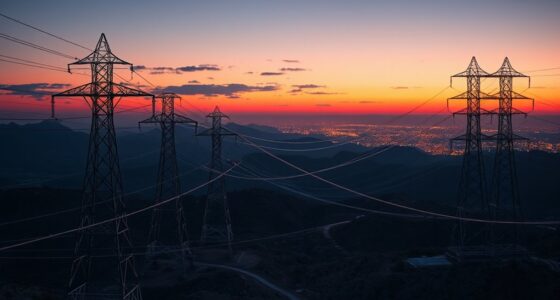
Texas is a consequential audience for the letter because large AI computing projects depend on land, electricity, water systems, permits and local support. Rules governing those inputs can affect project costs and construction schedules, while decisions about who pays for added infrastructure can affect utilities, communities and customers.
OpenAI’s intervention may help frame how state officials weigh AI investment and economic activity against grid reliability, resource use and community effects. Its influence cannot yet be measured, however, because the company’s requested policies and the governor’s position are not available in the announcement.
AI infrastructure monitoring tools
As an affiliate, we earn on qualifying purchases.
As an affiliate, we earn on qualifying purchases.
Infrastructure Policy Moves to States
AI infrastructure generally includes data centers, computing hardware and the energy and cooling systems needed to operate them. As developers seek larger amounts of computing capacity, state and local officials face decisions involving utility connections, permitting, land use and public costs.
The phrase “responsible AI infrastructure” can cover several policy areas, but the title alone does not define OpenAI’s intended meaning. It would be premature to treat the letter as a commitment on electricity rates, water consumption, environmental reporting or community benefits without the full text.
As an affiliate, we earn on qualifying purchases.
Letter’s Proposals Remain Undisclosed
The largest unanswered question is what OpenAI asked Abbott to do. The available announcement contains no quoted language from the letter and no specific proposal that can be independently described. It is also unclear whether the company requested executive action, regulatory changes or legislation.
No information has been provided about Abbott’s response, consultations with Texas agencies or any follow-up meeting. The announcement also does not identify affected projects, projected investment, expected power demand, water requirements or possible public costs. Until those details are released, claims about the letter’s practical impact remain unconfirmed.
As an affiliate, we earn on qualifying purchases.
Abbott Response and Details Awaited
The next substantive development would be publication of the full letter, a response from Abbott or Texas regulators, or a policy proposal tied to its recommendations. Those records would show whether the exchange leads to legislation, agency action or project-level commitments. For now, the confirmed action is OpenAI’s outreach to the governor, not a change in Texas policy.
As an affiliate, we earn on qualifying purchases.
Key Questions
What did OpenAI announce?
OpenAI announced that it sent a letter to Gov. Greg Abbott about responsible AI infrastructure in Texas.
What policies did OpenAI request?
The announcement does not identify specific recommendations. Any position on energy, water, permits or taxes remains unconfirmed without the letter’s text.
Has Governor Abbott responded?
No response from Abbott or his office is included in the available information. His position on the letter is not yet known.
Does the letter change Texas law?
No. A corporate letter does not itself create legislation or regulation. A policy change would require action by state lawmakers, the governor or an authorized agency.
Why does the letter matter?
The letter may influence debate over how AI facilities are built and how their costs and resource demands are handled. Its real effect will depend on the proposals it contains and whether Texas officials act on them.
Source: OpenAI
Source: OpenAI
Fall Picks
fall essentials
As an affiliate, we earn on qualifying purchases.