

TL;DR
OpenAI reported that 43.5% of occupation-specific messages in its study involved tasks associated with a different occupation. The finding suggests AI may broaden workers’ responsibilities, but the research does not establish effects on employment, pay or work quality.
OpenAI released new workplace research on July 27 showing that 43.5% of occupation-specific ChatGPT messages in its analysis concerned tasks associated with another occupation. Based on more than 800,000 messages from U.S. users, the findings suggest AI is changing who handles some workplace tasks before those changes appear in formal job descriptions.
OpenAI said 16.8% of all work-related messages crossed occupational boundaries. After excluding activities used widely across jobs, including writing, summarizing and scheduling, the share rose to 43.5% of occupation-specific messages. The company calls this pattern “task crossover”: work historically linked to one occupation appearing in the AI use of someone employed in another.
The reported pattern was strongest among several occupational groups. Outside-occupation tasks made up 77% of qualifying messages from customer experience workers, followed by 75% for designers, 69% for human resources workers, 56% for legal workers and 53% for marketers. These figures describe ChatGPT message classifications, not the share of employees whose jobs have formally changed.
Marketing and engineering tasks appeared widely across occupations. Financial calculations and technology troubleshooting ranked among the three most common outside tasks for all seven other occupational groups studied. OpenAI gave examples such as a salesperson exploring customer data, a marketer troubleshooting a website and a small-business owner drafting copy or conducting basic financial analysis. The report does not show whether users completed those tasks accurately or without specialist review.
How AI Is Expanding What People Do at Work
ChatGPT usage data suggests workers are attempting tasks historically associated with other occupations. That may broaden responsibilities and reduce handoffs—but message patterns alone cannot establish effects on jobs, pay, accuracy or work quality.
Workers Are Crossing Role Boundaries
Outside-occupation tasks were especially prominent in several groups. These percentages describe qualifying ChatGPT messages—not the percentage of workers whose formal jobs changed.
Customer experience
Design
Human resources
Legal
Marketing
What “Task Crossover” Means
A worker uses AI for an activity historically associated with another occupation. The term does not imply a job change, professional qualification or verified competence.
AI puts more tasks within immediate reach.
A salesperson may explore customer data, a marketer may troubleshoot a website, and a small-business owner may draft copy or conduct basic financial analysis.
Fewer handoffs, broader individual scope.
Employees may attempt work at the point where a problem appears. That can reduce delays, particularly where specialist staff are limited, but higher-risk work may still require qualified review.
A worker encounters an unfamiliar task
The activity would historically be routed to another role.
AI provides immediate assistance
The worker requests analysis, instructions or a first draft.
The worker attempts the task
Responsibility temporarily crosses an occupational boundary.
Review determines safe use
Specialist oversight remains important where errors carry risk.
Which Work Travels Across Roles?
Marketing and engineering activities appeared broadly across occupations. Financial calculation and technology troubleshooting ranked among the three most common outside tasks for every other group studied.
Financial calculation
A recurring outside task across all seven other occupational groups in the analysis.
Technology troubleshooting
Workers used AI to investigate technical issues that may previously have required a specialist handoff.
Marketing work
Copy, positioning and related activities appeared in messages from workers outside marketing roles.
Engineering work
Technical and implementation-oriented tasks also appeared beyond their traditional occupational home.
Average users showed less crossover in larger workspaces.
The outside-occupation share declined from 18.9% in workspaces with two to five seats to 16.3% in workspaces with more than 100 seats. OpenAI suggested smaller organizations may have fewer specialists available. The same steady decline was not reported among the heaviest users.
What the Study Shows—and What It Does Not
The analysis identifies a usage pattern. It does not directly measure whether the work was correct, whether productivity improved or whether employers formally redesigned jobs.
| Question | Evidence in the report | Interpretation |
|---|---|---|
| Are workers asking AI about tasks linked to other occupations? | ✓Measured | Yes. The classified messages show substantial occupational crossover. |
| Did users complete those tasks accurately? | ~Not measured | Message classification does not verify the quality or correctness of resulting work. |
| Did productivity or work quality improve? | ~Not measured | The research did not directly observe output, speed, quality or specialist review. |
| Did employment, hiring, layoffs or wages change? | ~Not established | The findings cannot support conclusions about labor-market outcomes. |
| Did formal job descriptions change? | ~Not established | The pattern may precede formal change, but the study does not demonstrate it. |
Generic activities—including writing, summarizing and scheduling—were excluded from the occupation-specific 43.5% calculation.
Important Limits
Broader access to a task is not the same as professional competence. The evidence is useful for spotting change, but insufficient for declaring its long-term consequences.
U.S. ChatGPT users only
The findings may not represent workers using other AI systems—or workers using no AI tools.
Messages and categories
Results depend on occupational classification choices and on which generic tasks were removed.
No outcome verification
The analysis does not show whether tasks were completed correctly or reviewed by specialists.
No replacement finding
The research documents AI usage, not job losses, hiring decisions or workforce reductions.
Temporary or lasting?
Crossover could reflect occasional assistance rather than a permanent expansion of job scope.
Company-published research
OpenAI published the analysis; the accompanying material does not identify it as peer reviewed.
The Practical Takeaways
The immediate management question is not simply whether AI can expose workers to more tasks, but where autonomy helps and where specialist oversight remains essential.
Does task crossover mean someone changed jobs?
No. It means a worker used AI for an activity historically associated with another occupation.
Does the report show AI is replacing jobs?
No. It records message usage and does not establish job losses, hiring changes or replacement.
Why exclude generic tasks?
Writing, summarizing and scheduling are common across jobs, so they provide weak evidence of occupational crossover.
What should employers examine?
Role design, training, quality controls and clear thresholds for legal, financial or technical review.
Usage signals may become organizational change.
OpenAI says future Work at the Frontier reports will track how AI changes work through usage data. The next test is whether crossover persists, spreads and eventually appears in job descriptions, training programs and review procedures. Independent workforce research will be needed to connect message patterns with measurable employment outcomes.
Workers Are Crossing Role Boundaries
The findings point to a change in the division of workplace responsibilities. Tasks that once prompted a handoff to a specialist may now be attempted by the employee who encounters the problem, potentially reducing delays and allowing individuals to handle a broader range of work.
The pattern could affect how companies design roles, train employees and decide when specialist oversight is required. It may carry particular weight for small businesses with limited specialist staff. At the same time, broader access to a task does not establish professional competence, and work involving legal, financial or technical risk may still require qualified review.

THE AI PRODUCTIVITY BLUEPRINT: Master AI Tools, Automate Your Work, and Achieve 10X Productivity in the Age of Intelligent Automation
As an affiliate, we earn on qualifying purchases.
As an affiliate, we earn on qualifying purchases.
ChatGPT Use Signals Role Shifts
The report is the first entry in OpenAI Economic Research’s Work at the Frontier series, which the company says will track how AI changes work through usage data. Its approach differs from studies that begin with a fixed occupational task list and estimate which duties a model could perform. OpenAI instead examined how people were already using ChatGPT.
Company size appeared to influence the pattern. Among average users, the outside-occupation share fell from 18.9% in workspaces with two to five seats to 16.3% in workspaces with more than 100 seats. OpenAI offered one possible explanation: employees at smaller organizations may use AI when specialist resources are unavailable, while larger businesses can route work to established teams. The same steady decline did not appear among the heaviest users.
AI-powered workplace task management software
As an affiliate, we earn on qualifying purchases.
As an affiliate, we earn on qualifying purchases.
What Message Data Cannot Show
It is not yet clear whether task crossover produces lasting job changes or reflects occasional assistance with unfamiliar work. The analysis measures messages and assigned task categories; it does not directly measure accuracy, productivity, wages, hiring, layoffs or employee satisfaction.
The findings also come from U.S. ChatGPT users, so they may not represent workers who use other AI systems or no AI tools. OpenAI published the research, and the accompanying article does not identify it as peer reviewed. Occupational classification choices and the removal of generic tasks may also affect the reported percentages. The evidence supports a pattern in the analyzed messages, while broader claims about the labor market remain unconfirmed.
As an affiliate, we earn on qualifying purchases.
Future Reports Will Track Changes
OpenAI says it plans to publish regular data-based reports in the Work at the Frontier series. Future evidence will need to show whether crossover persists, spreads to other occupations and leads employers to revise job descriptions, training or review procedures. Independent research using workforce outcomes could test whether message patterns correspond with measurable changes in jobs.
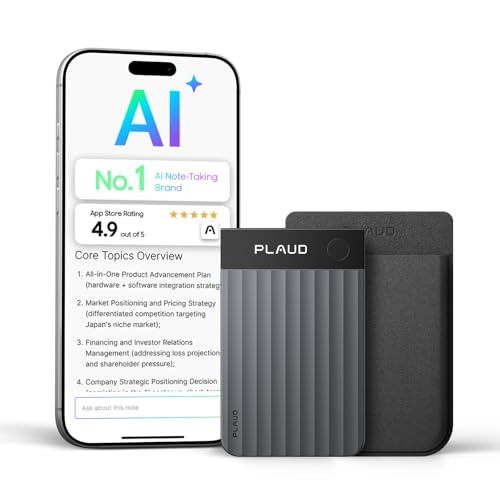
Plaud Note Pro AI Voice Recorder, Transcribe & Summarize with AI Note Taker for Meetings & Calls, Professionals & Teams, Supports 112 Languages, Ultra-Slim, InstantView Display, Case Included, Black
- High-Accuracy Transcription: Supports 112 languages with speaker labels
- Instant Structured Summaries: Creates mind maps, To-Do lists, proposals
- Multimodal Input Capture: Record audio, add images, type notes
As an affiliate, we earn on qualifying purchases.
As an affiliate, we earn on qualifying purchases.
Key Questions
What does task crossover mean?
Task crossover describes a worker using AI for an activity historically associated with another occupation. It does not necessarily mean the employee has changed jobs or gained the qualifications of a specialist.
Does the report show that AI is replacing jobs?
No. The research documents how ChatGPT messages were used, not job losses or hiring changes. It suggests responsibilities may be redistributed, but it does not establish whether employment levels changed.
Which tasks crossed occupational boundaries most often?
Financial calculation and technology troubleshooting appeared among the three most common outside tasks across every other occupational group studied. Marketing and engineering work also appeared frequently in messages from people outside those fields.
Why were generic tasks excluded?
OpenAI excluded activities such as writing, summarizing and scheduling because they are common across many jobs and provide weak evidence of occupational crossover. The reported 43.5% share applies to the remaining occupation-specific messages.
Source: OpenAI
Source: OpenAI