
Small mom-and-pop shops are using AI tools to improve customer support, personalize marketing, and streamline daily tasks. You can offer 24/7 assistance with chatbots, analyze customer data for targeted promotions, and automate routine operations like invoicing and inventory management. These innovations help you compete with larger businesses and create better experiences for your customers. Keep exploring how adopting AI can transform your small business and stay ahead in a competitive market.
Key Takeaways
- Mom-and-pop shops use AI chatbots to provide 24/7 customer support and handle common inquiries efficiently.
- They leverage AI-driven data analysis for personalized marketing and targeted promotions.
- AI automates routine tasks like inventory management, invoicing, and expense tracking, saving time and reducing errors.
- Small businesses utilize AI insights to enhance customer experiences and predict future needs.
- They stay competitive by adopting emerging AI tools, investing in team training, and exploring new market opportunities.
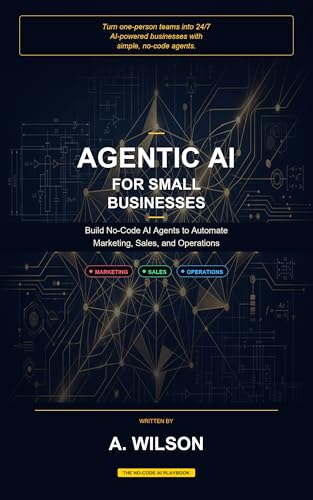
Agentic AI for Small Businesses: Build No‑Code AI Agents to Automate Marketing, Sales, and Operations: Turn one‑person teams into 24/7 AI‑powered businesses … earn more, and automate everything 2)
As an affiliate, we earn on qualifying purchases.
As an affiliate, we earn on qualifying purchases.
Streamlining Customer Support With AI Chatbots

AI chatbots are transforming customer support for small businesses by providing instant and round-the-clock assistance. You no longer need to worry about missed calls or delayed responses, as chatbots handle inquiries immediately, anytime of day or night. They can answer common questions, guide customers through product details, and even help with basic troubleshooting. This frees up your team to focus on more complex issues or personalized service. With tools like ChatGPT or Drift, you can automate responses efficiently, reducing wait times and improving customer satisfaction. Chatbots also collect data from interactions, giving you insights into customer needs and preferences. Additionally, understanding family dynamics can help small business owners improve team cohesion and customer relationships. Overall, integrating AI chatbots makes your support more responsive, scalable, and cost-effective—key advantages for small businesses aiming to stay competitive.

Raseed Premium 1 Year – All-in-One Smart Billing Invoicing, Accounting, Inventory management & POS Software. Perfect for Small businesses, Retail, Grocery, Startups, Freelancers, etc | Email delivery in 2 Hours – no CD.
✅ Smart Billing & POS – Create invoices, record payments, and manage sales instantly.
As an affiliate, we earn on qualifying purchases.
As an affiliate, we earn on qualifying purchases.
Personalizing Marketing Strategies Through Data Analysis

Harnessing data analysis allows small businesses to craft highly targeted marketing strategies that resonate with individual customers. By analyzing purchase history, browsing habits, and preferences, you can identify what your customers truly want. This insight enables you to personalize offers, emails, and content that speak directly to their interests. For example, if a customer frequently buys sports gear, you can send tailored promotions for new products or upcoming sales in that category. AI tools help automate this process, ensuring your marketing efforts are timely and relevant. With personalized messaging, you increase engagement, build loyalty, and boost sales without wasting resources on generic campaigns. Utilizing pimple patch technology as part of your skincare or wellness marketing can also appeal to customers interested in targeted solutions. Data-driven marketing gives your small business a competitive edge by making every interaction meaningful.
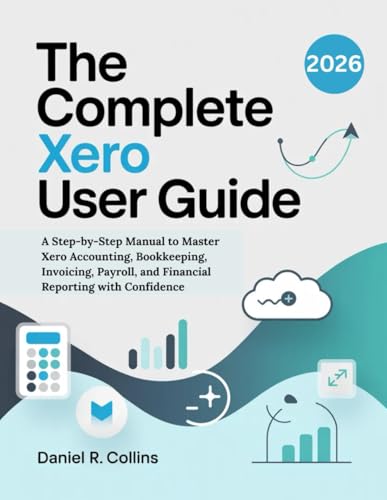
THE COMPLETE XERO USER GUIDE: A Step-by-Step Manual to Master Xero Accounting, Bookkeeping, Invoicing, Payroll, and Financial Reporting with … Complete Accounting Software Mastery Series)
As an affiliate, we earn on qualifying purchases.
As an affiliate, we earn on qualifying purchases.
Automating Daily Operations and Financial Tasks

Automating daily operations and financial tasks can substantially boost your small business’s efficiency. With AI tools, you can automatically generate invoices, track expenses, and manage payroll, saving you hours each week. AI systems can handle routine tasks like updating inventory, processing orders, and sending reminders, reducing errors and freeing your staff for more important work. Using AI for financial reporting provides real-time insights into cash flow and profitability, helping you make informed decisions faster. Workflow automation also streamlines communication between teams, ensuring everyone stays on the same page. Incorporating pet health data into your AI systems can help you better understand customer needs and preferences. By integrating these AI solutions, you cut down on manual efforts and minimize costly mistakes, enabling you to run a smoother, more profitable operation.

AI Marketing Automation: Automate Digital Marketing Strategies to Scale Growth, Personalize at Scale, and Maximize ROI
As an affiliate, we earn on qualifying purchases.
As an affiliate, we earn on qualifying purchases.
Enhancing Customer Experience With AI Insights

Have you ever wondered how small businesses can truly understand their customers’ needs? AI insights make this possible by analyzing data to improve your customer experience. Here’s how:
- Personalized Interactions: AI studies customer behavior and preferences, allowing you to tailor recommendations and communication, which builds loyalty.
- Feedback Analysis: AI tools analyze reviews and surveys to uncover common issues or desires, helping you address pain points proactively.
- Predictive Insights: AI anticipates future needs based on past behaviors, enabling you to offer timely solutions or promotions before customers even ask.
- Quality and Authenticity: Leveraging AI can help verify the natural sourcing and quality of products, such as honey, ensuring you meet customer expectations for authenticity and purity.
Embracing Future Trends and Training for Small Businesses

As small businesses look toward the future, embracing emerging AI trends and investing in training becomes essential for staying competitive. You need to stay updated on the latest AI tools and capabilities, like automation platforms, chatbots, and advanced analytics. Training your team ensures everyone can leverage AI effectively, from automating routine tasks to analyzing customer data for better insights. Platforms like Trailhead or industry-specific courses are valuable resources to build your AI skills. By adopting new AI innovations early, you can improve efficiency, reduce costs, and personalize customer experiences. Staying ahead of trends also prepares you for future applications, ensuring your business remains agile and competitive in an evolving marketplace. Continuous learning and adaptation are key to thriving with AI. Additionally, understanding breakfast delivery trends can help small businesses explore new opportunities within the food service sector.
Frequently Asked Questions
How Affordable Are AI Tools for Small, Family-Run Businesses?
AI tools are increasingly affordable for small, family-run businesses. Many options, like chatbots and automation platforms, offer low-cost plans or even free versions to get started. You can choose tools that fit your budget and scale up as your business grows. Investing in AI can save you money in the long run by automating routine tasks and improving customer service without breaking the bank.
What Are the Best AI Options for Small Business Owners With Limited Tech Skills?
You don’t need to be a tech whiz to harness AI tools; they’re designed to be user-friendly and easy to pick up. Start with simple options like chatbots such as Drift or ChatGPT for customer support, or use platforms like Canva for creating marketing content. These tools are straightforward, save you time, and help you stay competitive. Think of it as having a tech buddy by your side, guiding you step-by-step.
How Secure Is Customer Data When Using AI Platforms?
Customer data security depends on the AI platform you choose. Reputable providers use encryption, regular security updates, and strict access controls to protect your data. You should also review their privacy policies and ensure they comply with industry standards like GDPR. Keep your software updated, use strong passwords, and limit access to sensitive information. By staying vigilant, you can minimize risks and keep your customer data safe while benefiting from AI tools.
Can AI Help Small Businesses Compete With Larger Companies Effectively?
Think of AI as a secret weapon that levels the playing field. It helps you compete with larger companies by automating routine tasks, providing personalized customer experiences, and streamlining operations. With AI, you can analyze market trends, respond faster to customer needs, and scale effortlessly. This empowers your small business to stay agile, innovative, and more responsive—making it possible to stand toe-to-toe with bigger players in your industry.
What Are Common Challenges in Implementing AI for Mom-And-Pop Shops?
You might face challenges like limited budget, making AI tools seem costly or hard to justify. Additionally, technical know-how can be a hurdle if you’re not familiar with AI systems, leading to implementation delays or errors. Resistance to change from staff or yourself can also slow progress. Ultimately, integrating AI smoothly with existing processes takes time and effort, which can feel overwhelming without proper support or training.
Conclusion
As you embrace AI, it’s like opening a treasure chest of opportunities for your small business. These tools act as your trusty sidekicks, helping you streamline tasks, personalize experiences, and brighten customer relationships. With AI guiding your journey, your shop becomes a vibrant garden blooming with efficiency and innovation. So, step confidently into the future—your small business is ready to thrive in this exciting digital landscape. The best is yet to come!