
In a society with widespread unemployment, consumer spending mainly comes from wealthy households and emerging segments like Gen Z. These groups leverage their assets, social identities, and focus on convenience to keep buying goods. They prioritize experiences, authenticity, and unique products over status symbols. If you want to understand how businesses can adapt and what changing consumer behaviors mean for the economy, there’s more to discover about these shifting trends.
Key Takeaways
- Higher-income households continue to spend using assets like stocks and real estate, cushioning their consumption despite unemployment.
- Lower-income groups tighten budgets, cut discretionary spending, and rely more on credit due to financial constraints.
- Affluent consumers prioritize experiences and personalized services, maintaining spending in luxury and premium markets.
- Emerging segments like Gen Z focus on convenience, social identity, and trend-driven products, influencing future consumer behavior.
- Overall consumer spending shifts towards essential, authentic, and socially responsible products, with digital and quick-access solutions dominant.
Shifts in Employment and Their Impact on Spending Patterns

Recent shifts in employment, marked by a significant slowdown in job creation and some layoffs, are directly affecting consumer spending patterns. When job growth stalls, you might feel less confident about your financial future, leading to more cautious spending. Even if the unemployment rate remains low, uncertainty can cause you to prioritize savings or cut back on non-essential purchases. Lower-income households, especially, tighten budgets as they exhaust savings and rely more on credit. Meanwhile, higher-income consumers stay resilient, maintaining their spending habits. As employment prospects become uncertain, you’re likely to become more selective with your spending, focusing on essentials and delaying big purchases. This shift reduces overall consumer demand, impacting businesses across sectors and signaling a potential slowdown in economic growth. The emotional impact of economic uncertainty can lead to changes in consumer perception and spending behavior, further influencing market dynamics.
The Role of Wealth and Income Disparities in Consumer Behavior

Wealth and income disparities considerably shape how different consumer groups behave in today’s economy. If you’re in the lower-income bracket, you’re likely feeling the pinch, relying heavily on credit and cutting back on spending as savings dwindle. High interest rates and limited financial cushions mean you prioritize essentials over discretionary purchases. Meanwhile, higher-income households, including the affluent, continue to support overall consumption by drawing from substantial assets like stocks and real estate, shielding them from economic shocks. This divide influences market trends: luxury and premium brands thrive among wealthier consumers, while budget-conscious options dominate for lower-income groups. As disparities widen, the gap in spending power grows, creating a polarized economy where wealthier segments drive growth, and lower-income groups face persistent financial hurdles. Additionally, sustained consumer confidence among higher-income households helps sustain overall market performance despite economic uncertainties.
Credit Dynamics and Debt-Driven Consumption
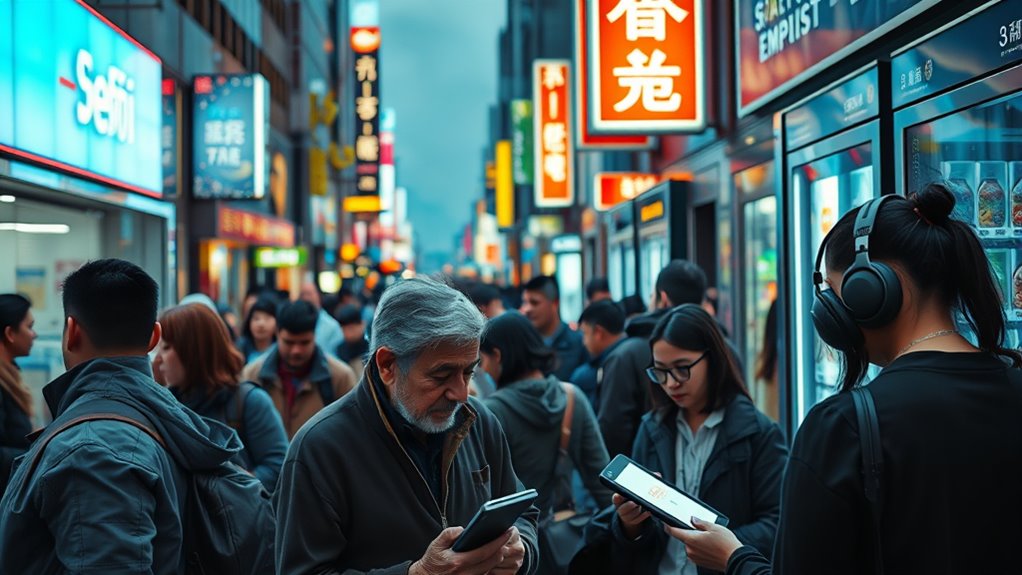
You’ll notice that rising credit card usage is fueling consumer spending, especially among those relying on debt to cover essentials. As debt levels grow, delinquency rates are increasing, which could threaten long-term spending stability. Managing these debt dynamics will be vital, as defaults and wage garnishments may dampen overall consumption.
Rising Credit Card Usage
As credit card usage continues to rise, consumers increasingly rely on credit to finance their everyday expenses, especially amid economic uncertainties. This shift signals a growing dependence on debt to sustain spending. Here are three key points to consider:
- Increased minimum payments and buy-now-pay-later options show consumers are leveraging credit more than ever to cover essentials and discretionary items.
- Higher-income households, in particular, are reducing credit card debt, allowing them to maintain robust spending levels.
- Lower-income groups depend heavily on credit, facing high interest rates that lead to cutbacks and financial strain.
- The rising credit utilization, driven by increased borrowing, further amplifies the reliance on debt for daily expenses.
This rising credit use reflects both opportunities and risks, as debt fuels consumption but also heightens vulnerability to economic shocks.
Debt and Spending Link
Rising consumer debt is increasingly shaping spending behaviors, as more households rely on credit to cover essentials and discretionary purchases. You may notice that higher-income consumers are reducing credit card balances, fueling stronger spending. Meanwhile, lower- and middle-income households depend heavily on debt, especially buy-now-pay-later (BNPL) options and higher interest loans, often cutting back due to rising costs. This reliance creates a cycle: debt fuels consumption, but accumulating debt can also limit future spending. The table below shows how different income groups are affected:
| Income Group | Debt Usage | Spending Impact |
|---|---|---|
| High-income | Lower debt, more savings | Steady or increased spending |
| Middle-income | Moderate debt, rising rates | Cautious spending |
| Low-income | High debt, high interest | Spending constrained |
| Younger consumers | BNPL, credit cards | Short-term splurges |
| Older consumers | Reduced credit reliance | Stable but cautious |
Additionally, debt management plays a critical role in shaping consumer behavior and the ability to sustain spending levels over time.
Impact of Delinquency Rates
Despite the overall stability in default rates, increasing delinquency rates on consumer credit are starting to impact spending patterns. You might notice that more households struggle to pay bills, forcing tighter budgets. Here’s what’s happening:
- Rising debt payments: More consumers face higher minimum payments, limiting their disposable income for non-essentials.
- BNPL and credit reliance: Growing usage of buy-now-pay-later options signals increased debt dependence, especially for essentials.
- Loan collection impacts: Student loan defaults and wage garnishments reduce disposable income, further dampening spending.
- Effective organization and decluttering strategies can help consumers better manage their finances and reduce unnecessary expenditures.
These trends indicate that, even if default rates stay steady, delinquency rates can tighten consumers’ financial flexibility, leading to cautious spending and shifting market dynamics. You should watch how debt management influences overall consumption.
Emerging Consumer Segments and Changing Priorities

You’ll notice that Gen Z is more willing to spend and use credit, even with smaller savings. They prioritize convenience, often choosing delivery services and trend-driven products like apparel and beauty. As these shifting priorities emerge, brands that focus on trendy, easy-to-access offerings are well-positioned for growth.
Gen Z Spending Habits
Gen Z consumers are reshaping spending patterns by being more willing to splurge and rely on credit, despite having smaller financial cushions than older generations. They prioritize instant gratification and are comfortable using credit cards and buy-now-pay-later options to fund their purchases. This demographic values experiences, aesthetics, and convenience, often spending more on apparel and beauty products. Additionally, their engagement with luxury travel experiences reflects their desire for unique and memorable moments that align with their social identities. To understand their habits, consider these points: 1. They pay premiums for convenience, frequently using food delivery and online shopping. 2. They prioritize trendy, trend-forward brands that align with their social identity. 3. They’re willing to splurge on certain categories, like apparel and beauty, even amid economic uncertainty.
This shift presents opportunities for brands that cater to their desire for immediate, stylish, and accessible products.
Shift in Luxury Focus
As consumer priorities shift amid economic uncertainties, the luxury market is experiencing a notable transformation. You’re seeing more affluent consumers reassess what defines value, emphasizing experiences and authenticity over status symbols. Instead of investing solely in high-end fashion or jewelry, many now focus on wellness, sustainable brands, and personalized services. Younger, wealthier segments like Gen Z and Millennials are driving this change, seeking brands that align with their values and social consciousness. They’re less inclined to splurge on traditional luxury goods and more interested in unique, meaningful purchases. This shift encourages brands to innovate, offering socially responsible products and immersive experiences that foster emotional connections. As a result, luxury spending becomes more about quality, purpose, and personal significance rather than mere prestige. Recognizing the importance of spiritual energy and emotional resonance can help brands connect more deeply with these evolving consumer values.
Convenience Drives Purchases
Convenience remains a key driver of consumer purchases, especially among emerging segments like Gen Z. You’ll notice that younger consumers prioritize quick, easy solutions to fit their busy lifestyles. They’re willing to pay premiums for convenience, shaping market trends. Here are three ways this influences spending:
- They heavily use grocery and food delivery services, valuing time over cost.
- They focus on apparel and beauty products, seeking trendy options that can be purchased swiftly online.
- They favor brands offering seamless digital experiences, from shopping to customer support.
- As the demand for digital solutions grows, the role of AI Software Engineer Jobs becomes increasingly vital for creating innovative, user-friendly platforms that meet these needs.
This shift means businesses that innovate with trend-forward, convenience-enhanced offerings can capture their attention. As their priorities evolve, your ability to provide fast, effortless solutions will determine success in this changing landscape.
Risks and Challenges Facing Future Consumer Expenditure

Rising consumer debt and increasing delinquency rates pose significant risks to the sustainability of future spending. When households struggle to manage debt, they cut back on discretionary purchases, slowing overall economic growth. High interest rates and reliance on credit, especially among lower-income groups, deepen financial stress, increasing the likelihood of defaults. Policy uncertainty and inflation further diminish purchasing power, making consumers more cautious. Elevated underemployment and job insecurity, particularly for recent graduates and vulnerable workers, limit disposable income. These factors create a cycle of reduced spending, which can weaken businesses and slow economic recovery. In such an environment, maintaining consumer confidence becomes a challenge, threatening the health of the economy and complicating prospects for sustained growth in a jobless society.
Strategies for Businesses to Adapt in a Changing Market
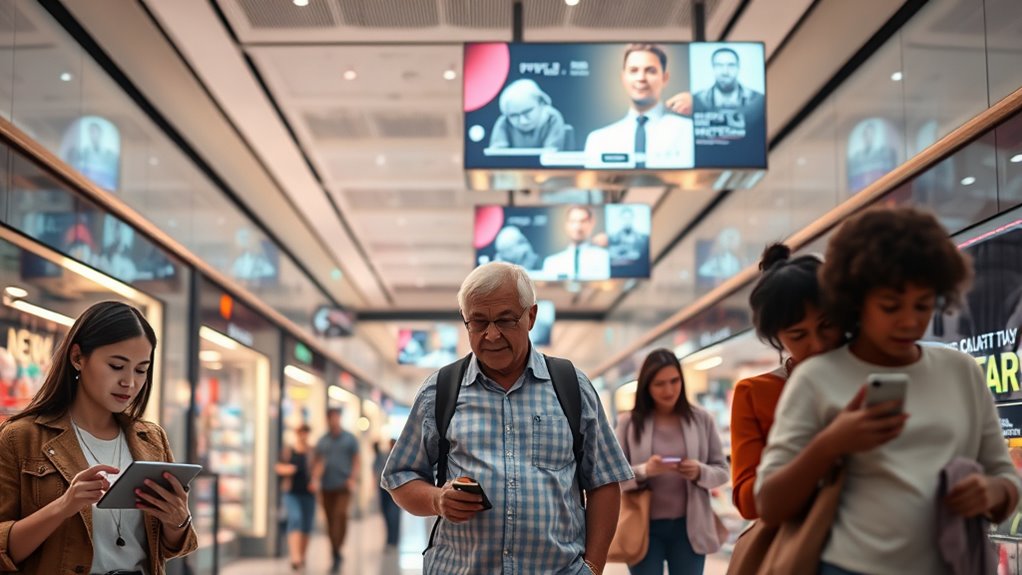
To succeed in a shifting market landscape, you must proactively adapt your strategies to address changing consumer behaviors and economic uncertainties. Focus on understanding your target segments, especially those still spending despite broader challenges. Consider these approaches:
- Diversify product offerings to meet evolving preferences, like convenience, affordability, and trend-driven items favored by Gen Z.
- Strengthen your digital presence through e-commerce, social media, and personalized marketing, as consumers rely more on online channels.
- Build flexible payment options, such as BNPL or tailored credit solutions, to help consumers manage budgets and sustain spending.
Frequently Asked Questions
How Will Automation Influence Future Employment and Consumer Purchasing Power?
Automation will transform employment by replacing many routine jobs, making it harder for you to find work in certain sectors. As a result, your purchasing power may decline if wages stagnate or fall, especially among lower-income households. However, automation can also create new job opportunities in tech and maintenance fields. To stay resilient, you might need to adapt your skills and focus on sectors less vulnerable to automation’s impact.
What Role Will Government Policy Play in Stabilizing Consumer Spending?
You can thank government policy for playing hero or villain in stabilizing your spending. If they lower interest rates, extend relief programs, or ease credit access, you’ll likely feel more confident splurging. Conversely, if they tighten regulations or cut benefits, your wallet might tighten too. So, whether they boost or burden your budget depends on how they steer the economic ship, influencing your buying habits every step of the way.
How Are International Economic Trends Affecting Domestic Consumer Behavior?
International economic trends influence your spending habits by affecting prices, job stability, and borrowing costs. If global growth slows or trade tensions rise, you might face higher inflation or limited product availability, prompting you to cut back on discretionary expenses. Conversely, strong global markets can boost your confidence and wealth, encouraging more spending. Stay aware of these trends to adjust your budget and avoid financial surprises.
Will New Financial Technologies Reduce Reliance on Traditional Credit Sources?
New financial technologies are indeed reducing your reliance on traditional credit sources. You can now access alternative lending platforms, peer-to-peer loans, and buy-now-pay-later options that offer more flexible, instant credit. These innovations make borrowing easier, especially for lower-income households, helping you manage cash flow better. As these tools grow, expect a shift away from traditional credit cards and bank loans, empowering you with more personalized, accessible financial solutions.
How Might Demographic Shifts Impact Long-Term Consumer Spending Patterns?
You’ll notice demographic shifts considerably influence consumer spending over the long term. As younger generations like Gen Z prioritize convenience and trend-driven products, their spending patterns shift toward apparel, beauty, and experiences. Meanwhile, aging populations may cut back on discretionary spending, focusing more on essentials. These changes mean businesses must adapt offerings and marketing strategies to meet evolving preferences, ensuring they remain relevant as demographic compositions evolve.
Conclusion
As you navigate a future with rising unemployment, remember that nearly 70% of consumers will prioritize affordability and value. You can stay ahead by understanding shifting priorities and adapting your offerings accordingly. Embrace innovation and focus on building trust, as these factors will define success in a changing market. Staying flexible and attentive to evolving consumer needs will help you thrive, even in a society where traditional employment no longer dominates spending habits.