By Thorsten Meyer AI
For decades, productivity gains were quietly absorbed by institutions. Automation increased output, profits rose, and yet individual economic security stagnated. Artificial intelligence changes this dynamic fundamentally—not because it automates tasks, but because it challenges the very structure of labor, value creation, and ownership.
We are entering what I call the post-labor horizon: a phase where human effort is no longer the primary bottleneck of economic production. In this new era, the most important question is not how many jobs AI will replace, but who benefits from the productivity explosion AI creates.
From Tools to Agents
Traditional software enhanced human work. Modern AI systems increasingly act.
Large language models, autonomous agents, and workflow-orchestrating systems now reason, decide, and execute across domains. When platforms such as OpenAI or Anthropic release models capable of multi-step planning, the economic unit of production shifts from human labor to machine-driven cognition.
This is not a future scenario. Enterprises already deploy agentic systems for:
- Software testing and remediation
- Marketing campaign generation and optimization
- Financial analysis and reporting
- Customer service orchestration
The result is clear: marginal cost of intelligence is collapsing.
private sovereign AI platforms
As an affiliate, we earn on qualifying purchases.
As an affiliate, we earn on qualifying purchases.
The Enterprise AI Paradox
Enterprises want AI—but they also fear it.
They fear:
- Data leakage
- Regulatory exposure
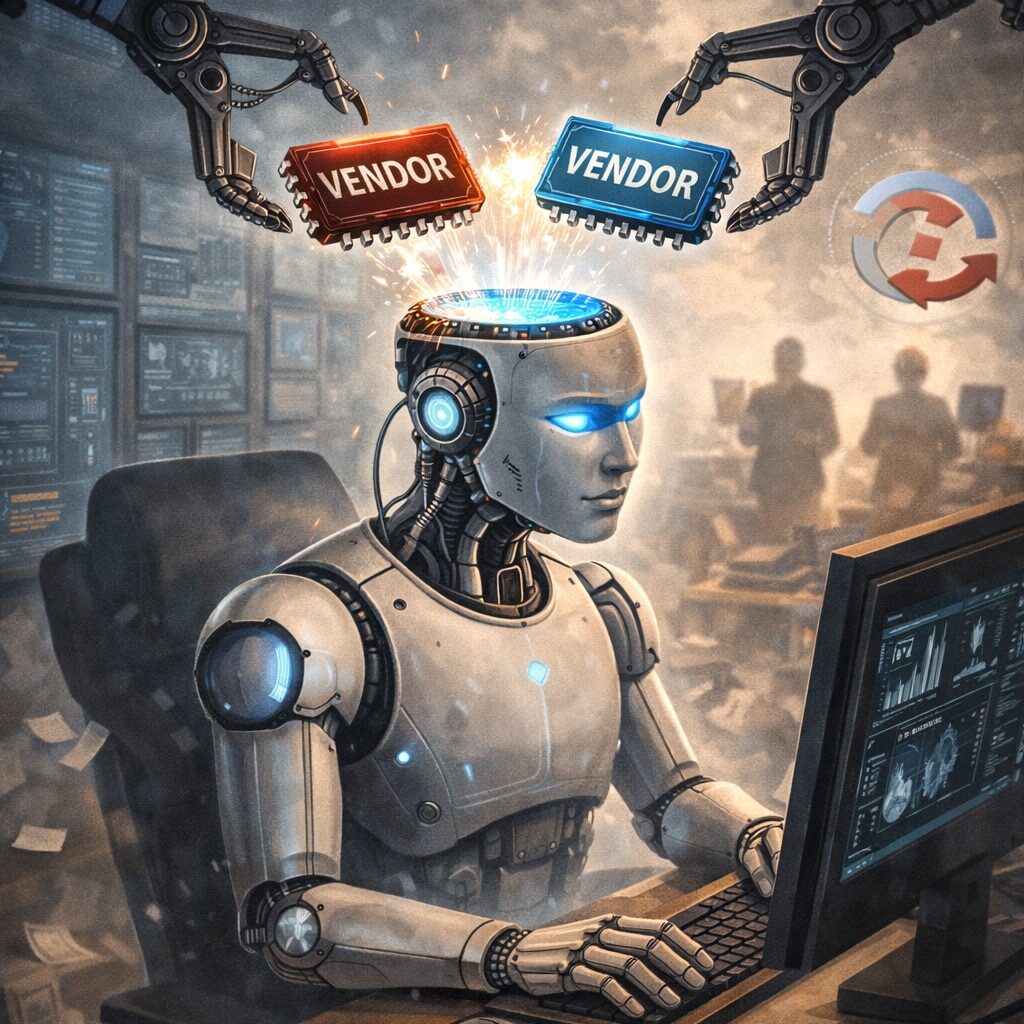
- Vendor lock-in
- Loss of operational control
This is why we see a rapid rise of private and sovereign AI architectures built on platforms like Amazon Bedrock and Microsoft Azure. These systems allow organizations to deploy powerful generative models while keeping data, governance, and compliance under their own control.
The paradox is this:
AI promises radical efficiency—but only if institutions are willing to rethink how value flows internally.

GenAI on Google Cloud: Enterprise Generative AI Systems and Agents
As an affiliate, we earn on qualifying purchases.
As an affiliate, we earn on qualifying purchases.
Productivity Without Participation Is Instability
History offers a warning. Every major productivity revolution that concentrated gains too narrowly eventually triggered social and political backlash.
AI accelerates this risk.
If organizations simply use AI to:
- Reduce headcount
- Compress wages
- Externalize risk
they may win in the short term—but destabilize the system that sustains them in the long run.
The alternative is participatory productivity.
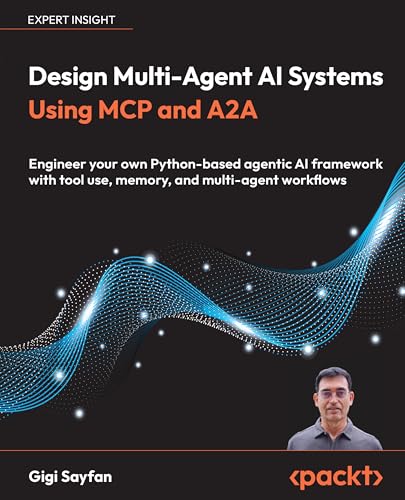
Design Multi-Agent AI Systems Using MCP and A2A: Engineer your own Python-based agentic AI framework with tool use, memory, and multi-agent workflows
As an affiliate, we earn on qualifying purchases.
As an affiliate, we earn on qualifying purchases.
Toward Universal Economic Participation
The post-labor economy demands new mechanisms of distribution:
- Universal Basic Dividends instead of conditional welfare
- AI-generated value sharing instead of wage dependency
- Ownership of productive systems, not just employment within them
In a world where autonomous systems generate surplus continuously, the question becomes: who owns the agents?
If AI agents are capital, then access to capital—not employment—becomes the defining economic divide.
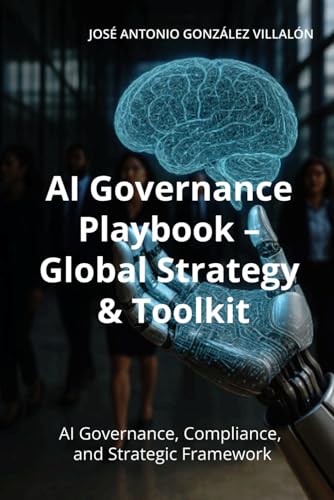
AI Governance Playbook – Global Strategy & Toolkit: A Practical Guide for CEOs, CIOs, CDOs, and Boards on Responsible AI, Compliance, and Risk Management
As an affiliate, we earn on qualifying purchases.
As an affiliate, we earn on qualifying purchases.
Human Relevance in an Automated World
AI does not eliminate human value. It clarifies it.
Humans remain essential where:
- Meaning is negotiated
- Ethics are applied
- Trust is established
- Culture is shaped
What disappears is routine cognitive scarcity. What emerges is abundant intelligence paired with human judgment.
The most successful societies will be those that:
- Deploy AI aggressively
- Distribute gains deliberately
- Preserve human dignity intentionally
The Choice Ahead
The post-labor horizon is not utopian or dystopian by default. It is underdetermined.
AI can either:
- Concentrate wealth further—or decentralize opportunity
- Deskilling societies—or freeing human potential
- Automate inequality—or automate abundance
The outcome depends not on the models we build—but on the economic architectures we choose to surround them with.
The future of work is not about jobs.
It is about who participates in value creation when work itself is no longer required.
Thorsten Meyer is a futurist, post-labor economist, and AI strategist exploring the societal and economic impact of autonomous intelligence systems.