Universal Basic Dividend (UBD) offers a way for everyone to share in the wealth created by natural resources and advancements like AI. Instead of relying solely on taxes, it collects fees from companies exploiting common assets, ensuring profits are distributed fairly. This approach promotes economic security, reduces inequality, and encourages sustainable use of resources. If you want to understand how UBD can reshape our future economy and fairness, keep exploring the details.
Key Takeaways
- Universal Basic Dividend (UBD) distributes wealth generated from shared resources, including AI-driven productivity gains, to all citizens equally.
- UBD shifts resource-based revenue collection from taxes to fees on commons exploitation, ensuring sustainable funding.
- It promotes economic security and reduces inequality by providing a steady income derived from collective assets.
- UBD encourages responsible use of natural and social commons, aligning AI benefits with ecological and social sustainability.
- Global models propose pooling revenues from shared resources like AI and environmental assets to democratize wealth distribution worldwide.

FREEDOM FROM TAXES: Introduction of Automated Payment Transaction Tax and Universal Basic Income (Political Thought)
As an affiliate, we earn on qualifying purchases.
As an affiliate, we earn on qualifying purchases.
The Foundations of the Universal Basic Dividend

What forms the foundation of the Universal Basic Dividend (UBD)? It’s built on the idea that we all have a stake in natural and social commons like air, forests, oceans, and shared resources. Instead of relying on taxes, UBD is funded by fees on companies that profit from exploiting these resources. This means that wealth generated from common assets is redistributed directly to citizens, recognizing us as co-owners of the planet’s wealth. The payments aren’t means-tested, so everyone receives a share, fostering economic security and reducing inequality. The model emphasizes collective ownership and justice, ensuring that profits from natural resources benefit all, not just a few. This approach shifts the focus from traditional welfare to sharing the value created by our shared environment. Additionally, the concept aligns with innovative economic models such as Universal Basic Income, which aim to provide ongoing financial support to all members of society.
AI wealth sharing platform
As an affiliate, we earn on qualifying purchases.
As an affiliate, we earn on qualifying purchases.
How UBD Differs From Traditional Welfare Systems

Universal Basic Dividend (UBD) differs from traditional welfare systems primarily in how it is funded and its foundational principles. Unlike welfare, which relies on taxation and government budgets, UBD is financed through fees on the use and exploitation of common resources like air, forests, and minerals. You don’t need to qualify or prove need to receive UBD; it’s a universal right based on collective ownership of natural and social assets. This approach shifts the focus from means-tested assistance to sharing the wealth generated by shared resources. UBD promotes fairness by recognizing everyone’s stake in commons, reducing inequality, and fostering a sense of co-ownership. It’s designed to be sustainable, linking payments directly to resource rents rather than relying solely on government revenues or debt, creating a more equitable and resilient social safety net. Additionally, the concept of resource-based financing aligns with the idea of generating revenue from natural assets to support social equity initiatives.

10 Natural Laws of Successful Time and Life Management
As an affiliate, we earn on qualifying purchases.
As an affiliate, we earn on qualifying purchases.
Common Resources as the Source of Wealth
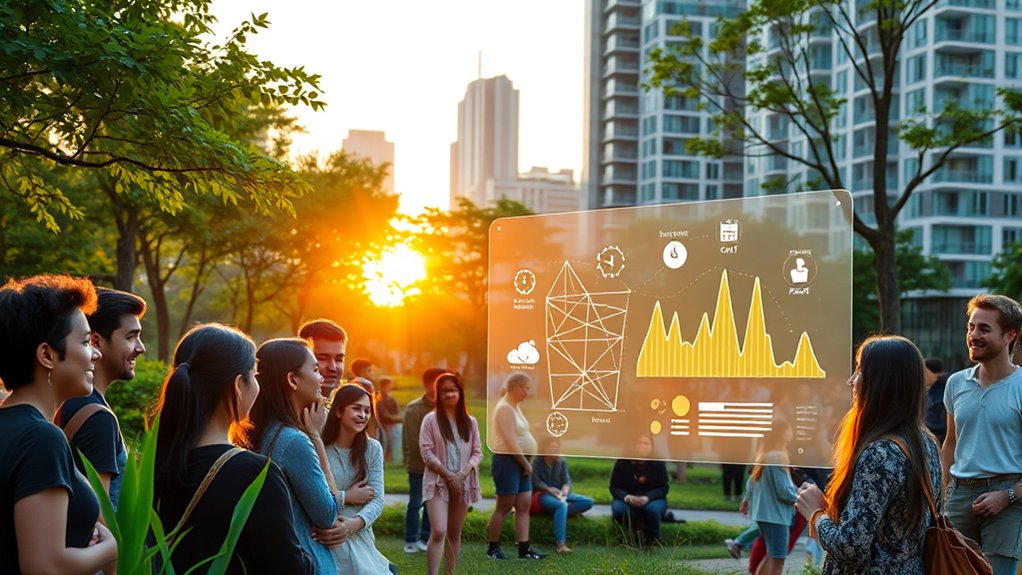
You own the natural resources and social goods that make up our collective wealth, and they generate significant value. By recognizing these resources as shared assets, we can create systems that distribute their profits fairly. This approach shifts ownership from private interests to the community, ensuring everyone benefits from our collective resources.
Natural Resource Ownership
Natural resources such as air, forests, oceans, minerals, and the electromagnetic spectrum are considered common assets that belong to everyone, not just private owners or governments. You have a stake in these shared assets, which generate wealth when exploited responsibly. By recognizing common resources as collective ownership, we can create systems that fairly distribute the profits they produce. Charging companies that extract or pollute these resources can fund Universal Basic Dividends, ensuring everyone benefits from nature’s bounty. Here’s a quick look:
| Resource Type | Ownership & Use |
|---|---|
| Air & Atmosphere | Shared by all; essential for life, no exclusive ownership |
| Forests & Oceans | Common heritage; protect and sustainably manage |
| Minerals & Land | Public domain; royalties can fund dividends |
| Electromagnetic Spectrum | Public resource; licenses generate revenue |
This approach promotes justice and sustainability through shared wealth. Recognizing the importance of common resources in generating economic value is fundamental to establishing equitable distribution systems.
Collective Wealth Sharing
Shared resources like air, oceans, forests, and minerals form the foundation of collective wealth that belongs to everyone. These common assets are essential for our survival and well-being, yet they are often exploited for private gain. By recognizing them as shared resources, we can establish fair systems to distribute their benefits. Collectively managing these assets allows us to reinvest profits into public goods, environmental protection, and social programs. This approach shifts the view of resources from private commodities to shared assets that generate ongoing value. When we share the wealth derived from these commons, we promote equity and sustainability. It also encourages innovative solutions for sustainable resource management private placement equity markets, ensuring that benefits are equitably distributed and preserved for future generations. It empowers communities and ensures that everyone benefits from natural and social capital, fostering a more just and resilient society.

Sustainable Land Resources Management: A Basis for Agricultural Production and Rural Livelihood
As an affiliate, we earn on qualifying purchases.
As an affiliate, we earn on qualifying purchases.
Real-World Examples and Successful Models

The Alaska Permanent Fund exemplifies how resource revenues can provide dividends to citizens, with annual payments averaging around $1,600. Proposed global models, like Peter Barnes’ Sky Trust, aim to extend this concept by managing fees from carbon emissions or other commons to fund universal dividends. These examples demonstrate practical ways to share natural wealth directly with people, fostering economic security and sustainability. Additionally, implementing Italian-inspired policies such as community-based resource sharing can further enhance equitable distribution and support sustainable development.
Alaska Permanent Fund
The Alaska Permanent Fund stands out as a successful real-world example of a Universal Basic Dividend, supplying annual payments to residents funded by oil revenue. Since 1982, it has paid tens of thousands of dollars to each Alaskan, reducing poverty and inequality. The fund collects resource rents from oil, invests them, and distributes returns as dividends. This model demonstrates how sharing natural resource wealth benefits all residents directly. To highlight this, consider the following:
| Resource Type | Distribution Method |
|---|---|
| Oil Revenue | Annual dividend payments |
| Investment Income | Reinvested for future growth |
| Community Funds | Local development projects |
The Alaska model shows that resource-based dividends can foster economic security while encouraging sustainable management of resources. Additionally, implementing energy efficiency strategies can amplify the benefits of resource sharing by reducing overall costs and environmental impact.
Proposed Global Models
Several countries and organizations have begun exploring and implementing global or transnational models of Universal Basic Dividend (UBD) to distribute the benefits of common resources beyond national borders. The Sky Trust proposal, for example, suggests creating a global carbon trust that charges fees on carbon emissions and distributes dividends worldwide. This model aims to fund a universal dividend of up to $5,000 annually per person, promoting climate action and economic security. Another example is the Global Commons Trust, which envisions pooling revenues from shared resources like oceans, air, and genetic data, then distributing profits globally. These models seek to democratize access to planetary wealth, incentivize sustainable use, and reduce inequality on a global scale. While still in conceptual stages, they demonstrate how transnational resource management can support equitable dividend distribution. Vetted
Economic Benefits and Social Impacts of UBD

Implementing Universal Basic Dividend (UBD) can deliver significant economic benefits by providing a reliable safety net that reduces poverty and income inequality. When you receive dividends from common resources, your financial security improves without relying on traditional welfare programs. This redistribution can boost consumer spending, supporting local economies and creating job opportunities. Evidence from Alaska shows dividends don’t decrease employment; in fact, part-time work slightly increased. UBD also promotes sustainable resource use, encouraging companies to minimize pollution and depletion through fee-setting. Socially, it fosters greater social cohesion by sharing wealth equitably among all citizens, reducing social tensions and fostering community resilience. Because UBD is linked to natural and social commons, it aligns economic benefits with environmental sustainability, creating a more just and balanced society. Additionally, research on track development indicates that well-structured dividend schemes can enhance long-term economic stability and social trust.
Funding Mechanisms: Charging Corporations and Exploitors

You can fund a Universal Basic Dividend by charging corporations that exploit common resources through resource rent collection, ensuring they pay for their share of natural wealth. Pollution and emission fees directly target environmental harm, turning environmental costs into revenue for dividends. Asset-based charging, like fees on financial rents or spectrum use, also provides a sustainable way to generate funds from various assets benefiting from shared resources. Implementing these mechanisms requires careful risk assessment to ensure fairness and effectiveness in resource utilization.
Resource Rent Collection
Resource rent collection forms the core funding mechanism of the Universal Basic Dividend by imposing charges on corporations and exploiters that profit from common resources. You target those extracting or polluting shared assets like land, water, or the atmosphere. By taxing these profits, you generate revenue used to fund dividends for everyone. This approach aligns incentives, discouraging harmful exploitation while ensuring fair compensation. Here’s a simple overview:
| Resource Type | Collection Focus |
|---|---|
| Natural resources | Oil, minerals, forests |
| Environmental impact | Carbon emissions, pollution taxes |
| Financial assets | Rents from financial markets |
| Spectrum and electromagnetic | Licenses and usage fees |
This system promotes sustainable use and redistributes wealth from resource exploitation to the public.
Pollution and Emission Fees
Charging corporations and polluters through emission fees creates a direct financial incentive to mitigate harmful environmental impacts. This approach aligns profits with sustainability goals and generates funds for universal dividends. Here’s how it works:
- Set fair fees based on pollution levels, encouraging companies to innovate cleaner methods.
- Monitor emissions closely to ensure compliance and prevent loopholes.
- Use the revenue from these fees to fund dividends distributed to all citizens, sharing the wealth created by natural and social commons.
- Adjust fees dynamically to reflect environmental targets, reducing pollution over time while maintaining dividend levels.
Asset-Based Charging
Asset-based charging involves levying fees on corporations and entities that exploit or profit from common assets, ensuring they contribute fairly to the collective wealth generated. By taxing natural resources, financial rents, electromagnetic spectrum, and carbon emissions, you create a sustainable funding stream for Universal Basic Dividends. This approach encourages responsible use of shared assets and discourages harmful exploitation, aligning corporate incentives with environmental and social goals. The fees collected can be invested in projects that promote a shift to sustainable economies, or directly distributed as dividends to citizens. While setting these charges requires careful calibration to balance economic activity and fair contribution, they serve as a transparent, equitable method to fund universal benefits. Asset-based charging links the value of commons directly to the wealth shared with everyone.
Challenges in Implementing UBD on a Global Scale
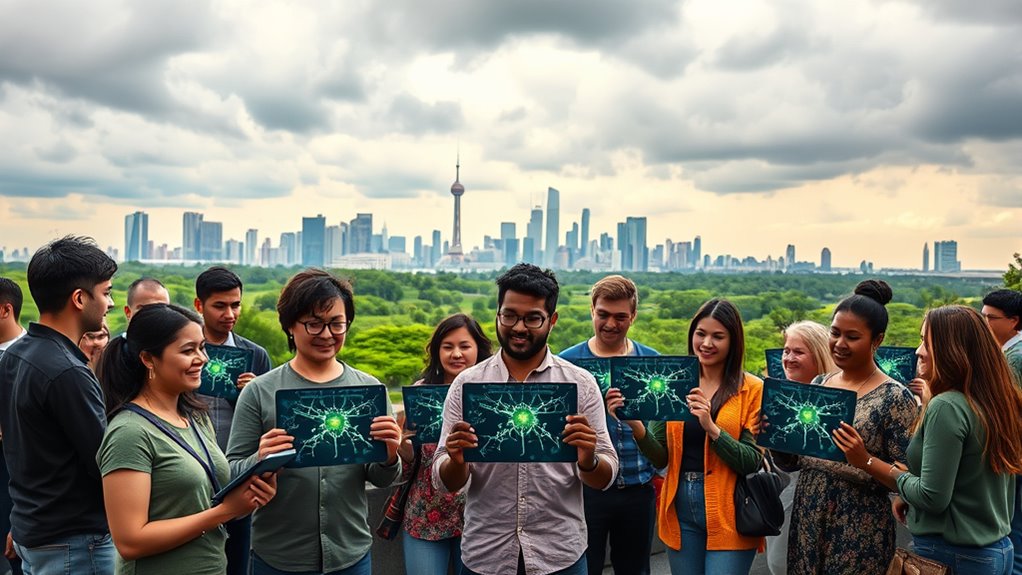
Implementing Universal Basic Dividend (UBD) globally faces significant hurdles due to the diversity of political, economic, and legal systems across countries. First, coordinating international agreements is complex, as nations vary in priorities and sovereignty concerns. Second, establishing fair and consistent fee structures on commons like oceans or forests is challenging across borders. Third, fluctuations in resource revenues cause payout instability, making long-term planning difficult for recipients. Fourth, enforcing compliance and preventing exploitation requires robust global institutions, which many countries may resist. Additionally, differing levels of technological development, resource dependence, and political will complicate efforts. Overcoming these challenges demands unprecedented cooperation, transparent governance, and adaptable frameworks to guarantee that UBD benefits everyone equitably worldwide.
The Role of Citizen Ownership and Democratic Management
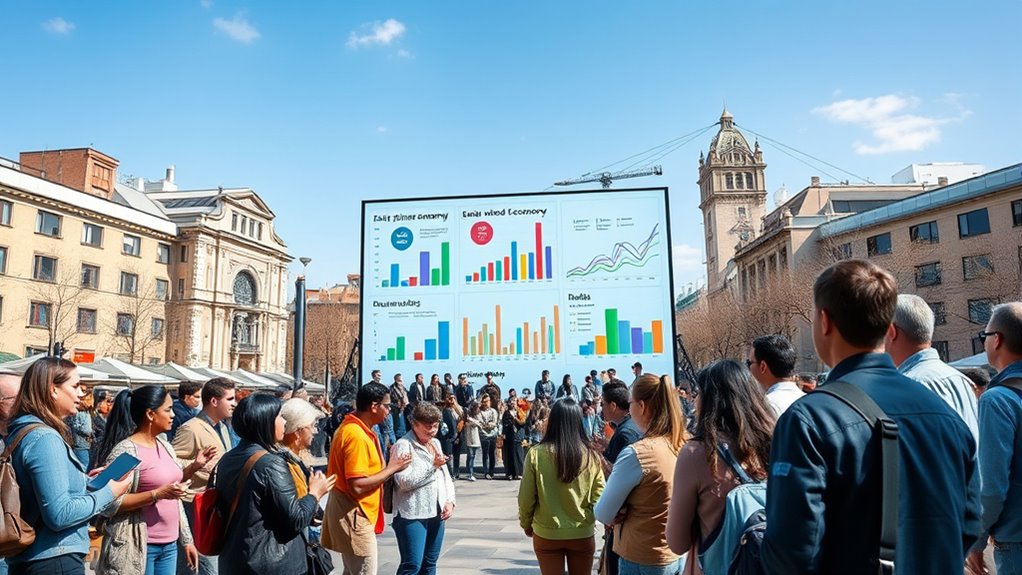
Citizen ownership and democratic management are fundamental to ensuring that the benefits of Universal Basic Dividend (UBD) serve the broader community rather than private interests. When you participate in managing common resources, you help shape policies that determine how fees are set and dividends distributed. This involvement fosters transparency, accountability, and fairness, ensuring that wealth generated from natural and social commons benefits everyone equally. By giving citizens a stake in resource management, you become a stakeholder rather than a passive recipient. Democratic oversight allows you to influence decisions on resource use, sustainability, and dividend allocation. Such participatory governance strengthens social cohesion and promotes a sense of collective ownership, making UBD not just a financial mechanism but a tool for empowering communities and ensuring equitable sharing of planetary wealth.
Environmental Sustainability and UBD’s Green Potential
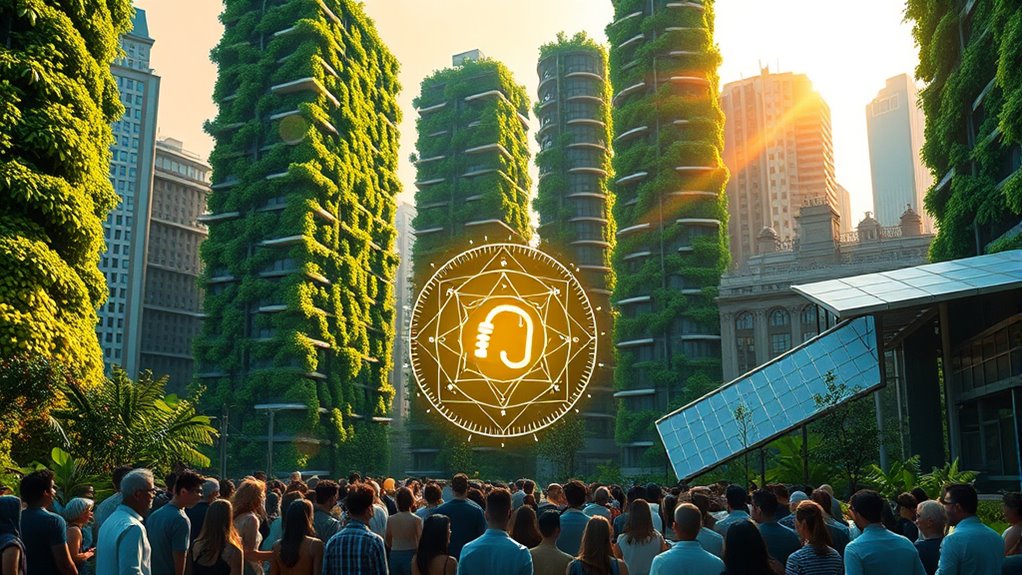
Environmental sustainability is at the core of the Universal Basic Dividend’s (UBD) potential to promote a greener economy. By channeling fees from resource exploitation, UBD incentivizes sustainable practices. Here’s how it can enhance green efforts:
- Discourages pollution by setting fees on carbon emissions and resource depletion.
- Funds renewable projects and conservation initiatives through dividend investments.
- Encourages responsible use of natural resources, aligning economic benefits with environmental health.
- Empowers citizens to participate actively in eco-friendly resource management, fostering collective stewardship.
This approach turns natural commons into shared assets, rewarding sustainable behavior. UBD’s green potential lies in aligning economic security with ecological preservation, creating a resilient, environmentally conscious economy built on shared planetary wealth.
Future Prospects: Building a Fairer, More Resilient Economy

Building a fairer, more resilient economy hinges on rethinking how we share the wealth generated from our collective resources. By implementing Universal Basic Dividend, you can guarantee everyone benefits from natural and social commons like forests, oceans, and intellectual property. This approach shifts focus from traditional taxation to collecting fees from companies exploiting these resources, creating a steady stream of income for all citizens. It promotes economic security, reduces inequality, and encourages sustainable resource use. As automation and disruptive technologies reshape jobs, UBD can serve as a stabilizer, providing a safety net during transitions. By involving citizens in managing these funds, you foster community ownership and democratic decision-making. Building this future means embracing shared ownership and fair distribution, creating a resilient economy that works for everyone.
Frequently Asked Questions
How Can UBD Be Scaled to Benefit All Countries Globally?
You can scale UBD globally by establishing international agreements to manage shared resources like the oceans, atmosphere, and digital commons. You’d need cooperation among nations to set fair fees on resource exploitation and create a global fund. This fund would distribute dividends to all citizens, ensuring equitable sharing of planetary wealth. By aligning policies and fostering transparency, you’d promote sustainability, reduce inequality, and empower everyone with a stake in our common future.
What Legal Frameworks Are Needed to Establish Common Resource Ownership?
You need international and national legal frameworks that recognize shared ownership of commons, like treaties and laws ensuring equitable resource management. These frameworks should establish clear property rights and revenue-sharing rules, enforce sustainable exploitation, and facilitate cross-border cooperation. By creating binding agreements, you can guarantee that profits from common resources are fairly distributed, enabling the implementation of Universal Basic Dividends. Additionally, legal standards must support transparency, accountability, and citizen participation in managing these shared assets.
How Will Fluctuations in Resource Revenues Affect Dividend Stability?
Imagine a river flowing with changing currents—you might wonder how its ebbs and surges affect your steady stream of dividends. Fluctuations in resource revenues can cause dividend amounts to rise and fall, like waves on a shoreline. While this creates variability, careful management and diversification of income sources can smooth out these tides, ensuring you still receive reliable support, even when resource profits dip or surge unpredictably.
Can UBD Replace Existing Social Welfare Programs Entirely?
UBD can’t fully replace existing social welfare programs because it mainly provides income from common resources, not targeted support for specific needs like healthcare or disability. While it offers a universal financial safety net, some individuals still require specialized assistance. You’d need to combine UBD with traditional programs to guarantee thorough coverage, especially for vulnerable populations. This integrated approach helps address diverse social needs while sharing planetary wealth more equitably.
How Are Citizens Involved in Managing and Overseeing UBD Funds?
You are involved in managing and overseeing UBD funds by participating in democratic processes and stakeholder decisions. You can help shape policies on how fees are collected and distributed, guaranteeing transparency and accountability. Citizens may serve on oversight committees, vote on fund allocations, or engage in public consultations to influence how the commons’ wealth is shared. Your active involvement ensures the fund reflects community priorities and promotes equitable, sustainable management.
Conclusion
Embracing the concept of a universal basic dividend invites you to imagine a future where prosperity gently flows to all, nurturing shared growth and resilience. By thoughtfully redistributing the wealth generated from our collective resources, you help craft a more equitable and sustainable world. This approach encourages a harmonious balance, ensuring that the benefits of innovation and progress serve everyone, fostering hope and stability in an ever-evolving global landscape.