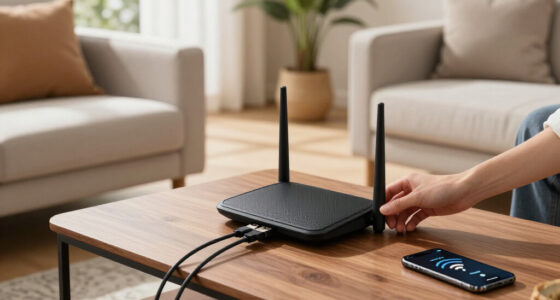
AI-powered home automation devices are transforming how we manage our living spaces, offering smarter, more responsive control over lighting, security, and climate. The best overall pick in 2026 is the Hubitat Elevation C-8 Pro, thanks to its robust local control and extensive automation capabilities. For those prioritizing ease of use, the SwitchBot AI Hub Bundle stands out with its simple setup and integrated camera features. Meanwhile, the Build Your Dream Smart Home with Raspberry Pi offers a DIY approach for tech-savvy users wanting complete customization. However, tradeoffs include higher complexity for DIY setups and potential costs for premium features. Continue reading for a detailed breakdown of these options and how they compare.

Get business pricing on tech for your team
- Business-only prices and quantity discounts
- Tax-exempt purchasing
- Multiple users, one account, clear invoices
Key Takeaways
- Top-ranked devices balance local control with cloud features, reducing latency and increasing privacy.
- Ease of setup varies widely; beginner-friendly options tend to sacrifice some customization complexity.
- Built-in AI capabilities differ, with some devices offering more advanced scene recognition and learning algorithms.
- Compatibility across ecosystems remains a key factor, with certain hubs supporting more third-party integrations.
- Higher-priced options often provide better security features and more sophisticated automation options.
| iSG Box SE Smart Home Gateway with Home Assistant & HomeKit Bridge |  | Best Overall for Versatile, Advanced Automation | Compatibility: 2,500+ brands, Matter, Zigbee, Z-Wave, HomeKit, Alexa, Google Assistant | Pre-installed Platform: Home Assistant with HACS | USB Stick Support: Yes (sold separately) | VIEW LATEST PRICE | See Our Full Breakdown |
| SwitchBot AI Hub Bundle with PTC Plus 5MP Camera, OpenClaw Support, and Home Automation Features |  | Best for Camera-Integrated Automation and Local Storage | Connectivity Technology: Wi-Fi | Video Capture Resolution: 5MP | Memory Storage Capacity: 16 GB | VIEW LATEST PRICE | See Our Full Breakdown |
| AI Powered Smart Home Guide for Beginners 2026 |  | Best for Newcomers to Smart Home Technology | VIEW LATEST PRICE | See Our Full Breakdown | |||
| iSG Box SE ZB Smart Home Hub with Preinstalled Home Assistant |  | Best for Advanced Automation with Preloaded Software | Protocols: Matter, Zigbee, Z-Wave | Connectivity: Zigbee, Z-Wave, Bluetooth, Ethernet | Wi-Fi: Wi-Fi 5, Wi-Fi 6 | VIEW LATEST PRICE | See Our Full Breakdown |
| Build Your Dream Smart Home with Raspberry Pi: The Complete DIY Guide to Creating Automated Lighting, Security, Voice Control, Energy Systems, and AI Home Automation |  | Best for Enthusiasts and Hobbyists | VIEW LATEST PRICE | See Our Full Breakdown | |||
| iSG Box SE Smart Home Hub with Preinstalled Home Assistant |  | Best Overall for Customization and Local Control | Protocols Supported: Matter, Zigbee, Z-Wave | Pre-installed Software: Home Assistant with HACS | Connectivity: Supports USB sticks for Zigbee & Z-Wave (not included) | VIEW LATEST PRICE | See Our Full Breakdown |
| AI-Powered Smart Home Guide 2026: A Step-by-Step Guide to Designing, Optimizing, and Mastering a Fully Automated Smart Ecosystem |  | Best for Advanced DIY Enthusiasts and Tech-Savvy Homeowners | VIEW LATEST PRICE | See Our Full Breakdown | |||
| SwitchBot AI Hub with OpenClaw Support and Local Storage |  | Best for Context-Aware AI and Local Camera Integration | OpenClaw Support: Yes | Camera Compatibility: Supported cameras, Video Doorbell, RTSP cameras | MicroSD Storage: 16GB included, expandable to 16TB | VIEW LATEST PRICE | See Our Full Breakdown |
| Hubitat Elevation C-8 Pro Smart Home Hub, Local Control and Automations |  | Best for Power Users Who Value Privacy and Protocol Support | Processor: 2.0 GHz | RAM: 2 GB | Connectivity: Wi-Fi, Ethernet | VIEW LATEST PRICE | See Our Full Breakdown |
| Your Guide to Artificial Intelligence: An Introduction to AI and Its Impact on Everyday Life |  | Best for Beginners Interested in AI Concepts | VIEW LATEST PRICE | See Our Full Breakdown |
More Details on Our Top Picks
iSG Box SE Smart Home Gateway with Home Assistant & HomeKit Bridge
This all-in-one hub stands out for supporting over 2,500 brands and protocols, making it ideal for those with diverse smart devices. Unlike the iSG Box SE ZB, which comes preloaded with Home Assistant, this model offers greater flexibility with its broad compatibility and integrated HomeKit support, providing a seamless Apple ecosystem experience. The local control architecture ensures quick responses and privacy, but setting up custom automations may require some technical skill, especially since USB sticks for Zigbee and Z-Wave are sold separately. This pick is perfect for users who want a powerful, expandable hub with advanced automation options, willing to handle some configuration complexity.
Pros:- Supports a broad range of smart home protocols and brands
- Pre-installed with Home Assistant for advanced automation
- Local-first architecture enhances response speed and privacy
Cons:- Zigbee and Z-Wave USB sticks sold separately, adding to cost
- Requires technical knowledge for setup and customization
Best for: Tech-savvy homeowners who want extensive device compatibility and customizable automation
Not ideal for: Casual users or those seeking a plug-and-play solution without technical setup
- Compatibility:2,500+ brands, Matter, Zigbee, Z-Wave, HomeKit, Alexa, Google Assistant
- Pre-installed Platform:Home Assistant with HACS
- USB Stick Support:Yes (sold separately)
- HomeKit Bridge:Yes
- Local Control:Yes
- Languages Supported:Multiple, via text or voice
Our verdict“This hub is best suited for users seeking maximum flexibility and automation power, willing to navigate some complexity.”
SwitchBot AI Hub Bundle with PTC Plus 5MP Camera, OpenClaw Support, and Home Automation Features
This bundle combines a high-quality 5MP pan-tilt camera with AI-enabled features, making it ideal for users prioritizing visual security and seamless device integration. Compared to the iSG Box SE ZB, which focuses on protocol support and automation, this setup emphasizes video monitoring with AI support, although AI features require a subscription, adding ongoing costs. Its 360° pan and tilt capabilities provide comprehensive coverage, but setup complexity and Wi-Fi-only connectivity can challenge less experienced users. It suits DIY enthusiasts who want a smart hub with advanced security and local storage options integrated into their automation ecosystem.
Pros:- High-quality 5MP camera with 360° coverage
- Supports local storage and expandable memory options
- Integrates with multiple smart home platforms and automation
Cons:- AI features require a paid subscription
- Setup can be complex with multiple integrations
Best for: Homeowners wanting integrated camera security with AI features and local storage
Not ideal for: Users seeking simple setup or stable wired connections, as it relies on Wi-Fi and may be complex to configure
- Connectivity Technology:Wi-Fi
- Video Capture Resolution:5MP
- Memory Storage Capacity:16 GB
- Pan Tilt Rotation:360° horizontal, 115° vertical
- MicroSD Card Support:up to 1TB internally, up to 16TB external
- Supported Protocols:Wi-Fi, Bluetooth, Matter, RTSP
Our verdict“Ideal for DIYers who want a smart hub with security cameras and AI, accepting a steeper setup and subscription costs.”
AI Powered Smart Home Guide for Beginners 2026
This guide offers a thorough introduction to smart home concepts, perfect for those new to automation. Unlike device-specific options, it provides practical steps covering security, energy efficiency, and AI assistants, making it useful as a foundational resource. While it lacks technical details or device recommendations, its clear explanations help beginners understand the benefits and potential pitfalls of automation. The content may be too basic for experienced users but is invaluable for those starting out and needing a structured learning path.
Pros:- Provides a complete overview of smart home technology
- Includes practical, step-by-step guidance
- Covers security, energy, and AI assistants
Cons:- No detailed technical specifications or device suggestions
- Content may be too basic for seasoned users
Best for: Homeowners new to smart tech who want a comprehensive, easy-to-understand starting point
Not ideal for: Experienced enthusiasts seeking advanced automation strategies or specific device recommendations
Our verdict“This guide is perfect for beginners looking to build foundational knowledge of AI-powered home automation.”
iSG Box SE ZB Smart Home Hub with Preinstalled Home Assistant
This model combines broad protocol support with a preloaded Home Assistant platform, making it ideal for users who want to jump straight into automation. Compared with the iSG Box SE, which offers more compatibility options, this version emphasizes local control and seamless integration via the built-in HomeKit bridge, appealing especially to Apple users. However, needing to purchase a separate Z-Wave USB stick and the potential complexity for casual users means it’s better suited for experienced DIYers. It offers robust automation options but demands some familiarity with smart home configurations.
Pros:- Supports over 2,500 brands and protocols
- Preloaded with Home Assistant for advanced automations
- Local-first architecture ensures quick response and privacy
- Built-in HomeKit bridge for Apple device integration
Cons:- Requires purchase of Z-Wave USB stick separately
- May be complex for users unfamiliar with automation setup
Best for: Home automation enthusiasts with some experience, especially Apple ecosystem users
Not ideal for: Casual users or those seeking a simple, plug-and-play hub without additional accessories
- Protocols:Matter, Zigbee, Z-Wave
- Connectivity:Zigbee, Z-Wave, Bluetooth, Ethernet
- Wi-Fi:Wi-Fi 5, Wi-Fi 6
- Supported OS:Android
- Security:WPA2, WPA3
- Warranty:Amazon.com 30-Day Return Guarantee
Our verdict“This hub is best for experienced DIYers wanting powerful, integrated automation within the Apple ecosystem.”
Build Your Dream Smart Home with Raspberry Pi: The Complete DIY Guide to Creating Automated Lighting, Security, Voice Control, Energy Systems, and AI Home Automation
This detailed DIY guide empowers tech-savvy users to craft their own smart home systems, covering automated lighting, security, voice, and AI automation. Unlike the plug-and-play options like SwitchBot AI Hub, this approach offers full customization but requires familiarity with Raspberry Pi hardware and software. The guide provides step-by-step instructions but does not include hardware, so it’s better suited for those comfortable with electronics and programming. For beginners seeking instant solutions, this may be overwhelming, but for dedicated hobbyists, it opens a world of tailored automation.
Pros:- Provides comprehensive DIY instructions
- Covers a broad range of automation topics
- Highly customizable for personal needs
Cons:- Requires technical knowledge of Raspberry Pi setup
- No hardware included, adding complexity
Best for: Tech enthusiasts and DIYers ready to build custom home automation systems
Not ideal for: Beginners or those seeking quick, out-of-the-box smart home solutions
Our verdict“Ideal for experienced hobbyists eager to create a personalized smart home using detailed DIY methods.”
iSG Box SE Smart Home Hub with Preinstalled Home Assistant
The iSG Box SE stands out for its extensive protocol support, including Matter, Zigbee, and Z-Wave, making it ideal for users with diverse device ecosystems. Its pre-installed Home Assistant platform offers deep customization, surpassing the basic integrations of the Hubitat Elevation C-8 Pro. Local control ensures quick response times and privacy, but setting it up requires familiarity with smart home automations, which could be intimidating for beginners. Unlike the SwitchBot AI Hub, it doesn’t include built-in AI features or cameras, focusing instead on flexible device management. This pick makes the most sense for tech-savvy homeowners who want maximum control and flexibility without ongoing cloud fees.
Pros:- Supports a wide range of smart home devices and protocols
- Pre-installed with advanced Home Assistant platform for deep customization
- Local control provides instant response and privacy
Cons:- Requires purchase of Zigbee or Z-Wave USB sticks separately
- May be complex for users unfamiliar with smart automation setup
Best for: Homeowners who want a highly customizable smart home hub supporting a wide range of protocols and prefer local control
Not ideal for: Beginners or those who prefer plug-and-play solutions with minimal setup
- Protocols Supported:Matter, Zigbee, Z-Wave
- Pre-installed Software:Home Assistant with HACS
- Connectivity:Supports USB sticks for Zigbee & Z-Wave (not included)
- HomeKit Compatibility:Built-in bridge
- Control Methods:App, voice commands, chat (WhatsApp, Telegram)
- Privacy:Local-first architecture
Our verdict“This hub is best suited for experienced users seeking maximum flexibility and local control in their smart home system.”
AI-Powered Smart Home Guide 2026: A Step-by-Step Guide to Designing, Optimizing, and Mastering a Fully Automated Smart Ecosystem
This comprehensive guide offers a detailed roadmap for creating a sophisticated AI-powered smart home ecosystem, making it ideal for those ready to take automation seriously. Unlike the SwitchBot AI Hub, which focuses on hardware, this book provides in-depth instructions for designing and optimizing your automation setup, appealing to users with existing or planned smart devices. While it lacks technical specifications, it compensates with actionable steps and insights into the latest AI technologies, suited for advanced users rather than complete beginners. It’s a valuable resource for those wanting to understand the principles behind AI-driven automation, rather than just installing pre-made solutions.
Pros:- Provides detailed, step-by-step guidance for creating advanced smart ecosystems
- Covers the latest AI technologies to enhance automation efficiency
- Helps users optimize existing systems for better performance
Cons:- Lacks specific technical details or device recommendations
- Content may be too complex for complete beginners
Best for: Homeowners with some smart home experience looking to expand or refine their AI-driven automation system
Not ideal for: Beginners seeking straightforward, step-by-step setup instructions without technical complexity
Our verdict“This guide is best for experienced DIYers who want to deepen their understanding and mastery of AI-powered home automation.”
SwitchBot AI Hub with OpenClaw Support and Local Storage
The SwitchBot AI Hub excels in supporting multiple cameras and devices through OpenClaw, offering context-aware AI features like visitor and pet recognition. Its 16GB MicroSD card for local storage enables event recording without relying on cloud services, a step ahead of basic hubs like the iSG Box SE. While it supports fast automations and broad device compatibility, AI features require an additional subscription, which could add ongoing costs. The lack of IR control limits its use for traditional remotes, making it less suitable for users wanting a single solution for all home devices. This product suits those prioritizing local AI processing and extensive camera support for security and automation.
Pros:- Supports multiple cameras with context-aware AI features
- Includes 16GB MicroSD for local event storage, expandable to 16TB
- Supports broad device integration with Matter and Home Assistant
Cons:- AI features require a subscription, adding ongoing costs
- Does not include IR control for TVs or air conditioners
Best for: Homeowners seeking advanced AI-driven security features with local storage and broad device support
Not ideal for: Users who want all-in-one remote control or do not want subscription fees for AI features
- OpenClaw Support:Yes
- Camera Compatibility:Supported cameras, Video Doorbell, RTSP cameras
- MicroSD Storage:16GB included, expandable to 16TB
- Supports Up to:8 cameras
- Automation Speed:Up to 4x faster
- Pre-installed Software:Home Assistant
Our verdict“This hub is ideal for security-focused users who want local AI processing and comprehensive camera support.”
Hubitat Elevation C-8 Pro Smart Home Hub, Local Control and Automations
The Hubitat Elevation C-8 Pro offers robust local automation processing and supports an extensive list of protocols including Z-Wave, Zigbee, and Matter, making it a strong competitor to the iSG Box SE. Its powerful 2.0 GHz processor and 2 GB RAM ensure quick responses, while support for Alexa, Google, and Apple allows flexible voice control. However, the setup can be complex, especially for beginners, and it doesn’t come with a built-in voice assistant, relying instead on external integrations. Compared with the SwitchBot AI Hub, it emphasizes privacy and local processing over AI-driven features, making it suitable for users who prioritize data security and extensive device compatibility.
Pros:- Processes automations locally for speed and privacy
- Supports multiple protocols including Z-Wave, Zigbee, and Matter
- Continuous free updates and active community support
Cons:- Setup can be complex for new users
- Lacks built-in voice assistant, requiring external integrations
Best for: Advanced users who want a highly customizable, privacy-focused hub with comprehensive protocol support
Not ideal for: Beginners or users seeking a simple, out-of-the-box smart home solution
- Processor:2.0 GHz
- RAM:2 GB
- Connectivity:Wi-Fi, Ethernet
- Protocols:Z-Wave 800 Series, Zigbee 3.0, Matter 1.5, Bluetooth
- External Antennas:Yes
- Compatibility:Alexa, Google Home, Apple HomeKit, Ring
Our verdict“Ideal for power users who value privacy, protocol versatility, and local processing over ease of use.”
Your Guide to Artificial Intelligence: An Introduction to AI and Its Impact on Everyday Life
This book offers a straightforward introduction to AI concepts, making it accessible for beginners curious about how AI influences daily living. Unlike the hardware-focused SwitchBot AI Hub or iSG Box SE, it provides foundational knowledge without technical jargon, ideal for readers new to AI. However, it doesn’t include any technical details or specific device recommendations, limiting its usefulness for those seeking hands-on automation advice. Compared to the detailed step-by-step guide in the AI-Powered Smart Home Guide 2026, this book is more about conceptual understanding than practical implementation. It’s a good starting point for those just beginning to explore AI’s role in home automation.
Pros:- Clear, easy-to-understand explanation of AI concepts
- Explores real-world AI applications in everyday life
- Suitable for complete beginners
Cons:- Lacks detailed technical or device-specific information
- No practical, step-by-step automation guidance
Best for: Beginners interested in understanding AI fundamentals and its everyday applications
Not ideal for: Experienced users looking for technical guidance or automation setup instructions
Our verdict“This book is best for newcomers looking to grasp the basics of AI and its impact on daily life without technical complexity.”

How We Picked
Products were evaluated based on their AI capabilities, ease of use, integration options, build quality, and value for money. We prioritized devices that offer reliable AI-driven automation with minimal setup hurdles while ensuring compatibility with popular smart home ecosystems. Devices with strong local control were favored for privacy and responsiveness, but we also considered cloud features for advanced AI functionalities. The ranking reflects a balance between ease of use, customization potential, and overall performance, helping buyers identify options suited for different levels of expertise and automation needs.Factors to Consider When Choosing AI-powered Home Automation Devices
Choosing the right AI-powered home automation device involves understanding several key factors. Not all devices offer the same level of AI sophistication, ease of setup, or ecosystem compatibility. By considering these factors, you can identify the best fit for your home, whether you’re a beginner or a seasoned smart home enthusiast. Avoid common pitfalls like buying incompatible hubs or overpaying for features you’ll never use. The following sections highlight the most important considerations to keep in mind.AI Capabilities and Learning Features
Look for devices that offer intelligent automation, such as scene recognition, predictive learning, and voice command processing. The depth of AI functionality can significantly impact how well the device adapts to your routines. Cheaper devices may rely on basic rules, while premium options use advanced algorithms that improve over time. Be cautious of devices claiming AI features without real capabilities or updates, which can lead to underwhelming performance.
Ease of Setup and User Interface
An intuitive setup process and user-friendly interface are vital, especially for newcomers. Devices with guided apps or minimal hardware requirements tend to reduce frustration. Complex DIY solutions, like Raspberry Pi projects, offer customization but demand technical skills and time investment. Balance your comfort with technology against the need for future expandability to avoid getting stuck with an overly complicated system.
Compatibility and Ecosystem Integration
Ensure the device supports your existing smart home ecosystem, whether it’s Apple HomeKit, Google Home, Amazon Alexa, or others. Cross-platform compatibility broadens your automation possibilities and prevents siloed setups. Some hubs excel at integrating multiple protocols, making them more versatile. Overlooking this can lead to frustration or costly replacements later on, especially if you want to add more devices down the line.
Security and Privacy
AI home automation devices handle sensitive data, such as security footage and personal routines. Prioritize options with strong encryption, local control options, and transparent privacy policies. Cloud-based AI features can introduce vulnerabilities or delays, so consider whether local processing meets your needs. Avoid devices with a history of security issues or lacking regular firmware updates.
Cost and Long-Term Value
While premium devices often deliver richer AI features, they come with higher upfront costs. Conversely, budget options may suffice for basic automation but lack advanced learning or security features. Consider the ongoing costs for subscriptions or cloud services, and evaluate whether the device’s capabilities justify the investment. A well-chosen device can adapt as your needs evolve, offering better long-term value.
Frequently Asked Questions
Can AI-powered home devices learn my routines over time?
Yes, many advanced AI home automation devices are designed to learn from your routines, adjusting their behavior based on usage patterns. This can include automatically turning off lights when you leave or adjusting temperature settings as you approach home. However, the effectiveness of learning features varies; some devices require manual setup or training periods, while others adapt more seamlessly. Always check if the AI capabilities are genuinely learning and improving without constant manual input.
Are AI home automation devices secure against hacking?
Security depends largely on the device’s encryption, update frequency, and network setup. Devices that support local control and firmware updates tend to be more secure, as they reduce exposure to external threats. Avoid devices with poor security track records or those that rely solely on cloud servers without regular updates. Implementing strong Wi-Fi passwords and network segmentation also helps protect your smart home ecosystem.
Do I need a central hub for AI home automation?
Many AI-powered devices operate with or without a central hub. Hubs can simplify management and improve reliability by consolidating device control, especially for larger setups. Popular hubs like Hubitat or Raspberry Pi-based systems support multiple protocols and AI integrations. However, some devices, like the SwitchBot AI Hub, are designed to work directly with cloud services or voice assistants, reducing the need for a dedicated hub. Your choice depends on the complexity of your setup and your desire for local control.
How much technical knowledge is required to set up DIY AI home automation?
DIY solutions like Raspberry Pi projects can offer maximum customization but often require familiarity with Linux, programming, and network configuration. If you’re comfortable with this technical level, you can create highly tailored automation systems. For less experienced users, preconfigured hubs with integrated AI and simple apps are preferable, providing quick setup and reliable performance without extensive technical skills.
Will AI-powered devices replace my traditional smart home products?
AI-powered devices are designed to augment traditional smart home systems by adding intelligence and automation. They can significantly improve responsiveness and adaptiveness but typically work best when integrated with existing products. They won’t replace basic switches or sensors but rather enhance their functionality. For most users, combining traditional devices with AI-driven hubs creates a more seamless and intelligent home environment.
Conclusion
For general users seeking a reliable, feature-rich experience, the Hubitat Elevation C-8 Pro offers the best overall performance with strong local control and broad compatibility. Beginners or those prioritizing ease of setup should consider the SwitchBot AI Hub Bundle for its straightforward interface and integrated features. Tech-savvy users interested in customization and DIY projects will find the Build Your Dream Smart Home with Raspberry Pi a compelling choice. For those with specific needs like enhanced security or extensive automation, premium options like the Hubitat Elevation or specialized hubs will deliver the most advanced capabilities. Evaluating your comfort level, ecosystem compatibility, and desired AI features will guide you toward the ideal device.
As an affiliate, we earn on qualifying purchases.Halloween Picks

3 ft. Halloween Groundbreaker Skeleton for Outdoor Decoration

27FT Giant Inflatable Pumpkin Lighted Outdoor Halloween Decor

Vexalify 11-Inch Halloween Pumpkin Fog Machine with Bluetooth Speaker and 12-Color LED Lights