Choosing an AI voice cloning resource depends on whether you want a quick introduction, a focused walkthrough of ElevenLabs, or instructions for building a local system. In this lineup, AI Voice Cloning: The Complete Guide to ElevenLabs and Beyond is my broadest starting point, while Mastering ElevenLabs is aimed at readers who want practical coverage of dubbing and audio production. Developers who want to build and deploy rather than follow a hosted-tool guide should look at AI Voice Cloning with Python.

Get business pricing on tech for your team
- Business-only prices and quantity discounts
- Tax-exempt purchasing
- Multiple users, one account, clear invoices
These are books and guides, not voice cloning applications. That distinction matters: none of the supplied descriptions establishes that a title includes software, model access, sample files, or ongoing updates. I rank the options by how clearly their stated scope serves a distinct reader. The main tradeoff is between breadth and hands-on focus: a broad guide may orient readers across tools, while a specialized ElevenLabs or Python guide may better match a concrete workflow but cover less outside it.
Key Takeaways
- Best broad overview: AI Voice Cloning: The Complete Guide to ElevenLabs and Beyond has the widest stated framing, but its supplied description does not confirm specific chapters or exercises.
- Best for practical ElevenLabs workflows: Mastering ElevenLabs explicitly includes voice cloning, dubbing, and audio production, making its scope more workflow-oriented than the general ElevenLabs guide.
- Best for creators and developers using ElevenLabs: ElevenLabs: A Complete Guide spans generation, voice design, transcription, dubbing, and music-related tools.
- Best for a no-studio beginner introduction: Clone Your Voice presents itself as a concise weekend guide, though the product information offers little detail for judging depth.
- Best for technical builders: AI Voice Cloning with Python covers setup, debugging, and Docker deployment, but is a poor match for readers seeking a simple ready-to-use service.
| AI Voice Cloning: The Complete Guide to ElevenLabs and Beyond |  | Best Overall for a Broad Starting Point | Type: Guide; format not specified in supplied information | Stated subject: AI voice cloning | Named platform: ElevenLabs | VIEW LATEST PRICE | See Our Full Breakdown |
| Mastering ElevenLabs: A Practical Guide to AI Voice Generation, Voice Cloning, Dubbing, and Audio Production |  | Best for Practical ElevenLabs Production | Type: Book | Platform focus: ElevenLabs | Topics: AI voice generation, voice cloning, dubbing, and audio production | VIEW LATEST PRICE | See Our Full Breakdown |
| ElevenLabs: A Complete Guide to AI Voice Generation and Cloning |  | Best for Creators and Developers Exploring ElevenLabs | Type: Guide; format not specified in supplied information | Platform focus: ElevenLabs | Topics: Text-to-speech, voice design, Scribe transcription, dubbing, and Eleven Music | VIEW LATEST PRICE | See Our Full Breakdown |
| Clone Your Voice: Easy, No Studio — The Weekend Guide to AI Voice Cloning |  | Best for Beginners Seeking a Short Introduction | Type: Weekend guide; format not otherwise specified | Stated subject: AI voice cloning | Setup framing: No studio | VIEW LATEST PRICE | See Our Full Breakdown |
| AI Voice Cloning with Python: Build and Deploy a Local Voice Cloning Engine | 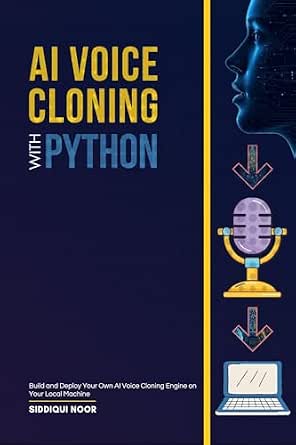 | Best for Python Developers Building Locally | Type: Technical guide; format not specified in supplied information | Platform: Python | Deployment approach: Local voice-cloning engine | VIEW LATEST PRICE | See Our Full Breakdown |
| AI voice cloning software | Type | Intended audience | Topics |
|---|---|---|---|
| AI Voice Cloning: The Complete | Guide; format not specified in supplied information | Not provided | — |
| Mastering ElevenLabs: A Practi | Book | Not specified | AI voice generation, voice cloning, dubbing, and audio production |
| ElevenLabs: A Complete Guide t | Guide; format not specified in supplied information | Creators and developers | Text-to-speech, voice design, Scribe transcription, dubbing, and Eleven Music |
| Clone Your Voice: Easy | Weekend guide; format not otherwise specified | Beginners, based on the supplied description | — |
| AI Voice Cloning with Python: | Technical guide; format not specified in supplied information | Python developers and technical learners | Speech synthesis, model setup, debugging, and Docker deployment |
More Details on Our Top Picks
AI Voice Cloning: The Complete Guide to ElevenLabs and Beyond
This is my best overall pick for readers who want a general entry into AI voice cloning without committing at the outset to one narrow technical route. The title promises coverage of ElevenLabs and beyond, which gives it a broader apparent scope than the ElevenLabs-specific books in this list. That framing may help someone first decide whether they want a hosted creator workflow or a different approach.
There is a meaningful caveat: the supplied information contains no description, contents, or format details. I cannot confirm which platforms it actually discusses, whether it includes step-by-step exercises, or how much attention it gives to consent and responsible use. By comparison, the product descriptions for the other ElevenLabs guides name topics such as dubbing, transcription, and audio production, while the Python guide identifies setup and deployment. This title is the broadest on its face, but not the most verifiable in its detail.
I would choose it when the goal is orientation and the listing’s full contents confirm that breadth. If the reader already knows they need ElevenLabs-specific production guidance, Mastering ElevenLabs has a clearer practical focus. If they want to code a local engine, the Python title is the more direct match. This guide’s strength is its apparent reach; its weakness is the lack of supplied evidence about how that reach is delivered.
Pros:- Broad framing that names ElevenLabs and other approaches
- Suitable starting point for readers still choosing a learning path
- The title directly targets AI voice cloning rather than general audio production
- May complement the more specialized guides in this lineup
Cons:- No supplied description or topic list to confirm the actual scope
- No stated format, technical prerequisites, or practical exercises
- Does not establish that software access or code is included
Best for: Readers seeking a general introduction who want to compare ElevenLabs with other voice-cloning approaches, after checking the complete contents.
Not ideal for: Buyers who need verified chapter-level coverage, a clearly stated hands-on project, or software and model access bundled with the purchase.
- Type:Guide; format not specified in supplied information
- Stated subject:AI voice cloning
- Named platform:ElevenLabs
- Scope framing:ElevenLabs and beyond
- Topics confirmed:Not provided
- Intended audience:Not provided
- Technical requirements:Not provided
Our verdict“I rank it first as the broadest apparent starting point, but I would verify its contents before choosing it over a more specifically described guide.”
Mastering ElevenLabs: A Practical Guide to AI Voice Generation, Voice Cloning, Dubbing, and Audio Production
Among the ElevenLabs-focused options, this title has the clearest production-oriented brief. Its stated scope pairs voice generation and cloning with dubbing and audio production, making it a stronger fit for readers who want to think beyond generating one isolated voice clip. The word “practical” signals a workflow focus, although the supplied description does not provide chapter details or examples to confirm how hands-on the guide is.
Compared with ElevenLabs: A Complete Guide, this book puts dubbing and production in the foreground rather than listing a wider set of platform tools such as Scribe transcription and Eleven Music. That narrower focus can be an advantage for creators building a repeatable audio workflow. It may be less useful for developers or curious users who want a broader tour of the ElevenLabs ecosystem, or for anyone who does not plan to work with that platform.
The product is identified as a book, but no further details are supplied about its level, update status, or prerequisites. I would pick it when the listed combination of cloning, dubbing, and production matches the actual work at hand. I would not assume that “practical” means it includes downloadable assets, code, or instructions matching the latest interface; verify those details in the listing before buying.
Pros:- Clearly names voice generation and cloning
- Adds dubbing and audio production to its stated scope
- A more workflow-oriented framing than a general platform overview
- Format is identified as a book
Cons:- No chapter list or examples are provided
- ElevenLabs focus may limit usefulness for platform-neutral learners
- No update status, prerequisites, or included resources are specified
Best for: Creators who specifically want an ElevenLabs-centered learning resource spanning voice cloning, dubbing, and audio production.
Not ideal for: Readers seeking a platform-neutral overview, a Python implementation, or confirmed exercises and downloadable production assets.
- Type:Book
- Platform focus:ElevenLabs
- Topics:AI voice generation, voice cloning, dubbing, and audio production
- Intended audience:Not specified
- Approach:Described as practical
- Prerequisites:Not provided
- Included resources:Not provided
Our verdict“I would choose this over the broader ElevenLabs guide when dubbing and production matter more than surveying a wider set of platform tools.”
ElevenLabs: A Complete Guide to AI Voice Generation and Cloning
This guide has the most varied named toolset among the ElevenLabs titles. Its description covers text-to-speech, voice design, Scribe transcription, dubbing, and Eleven Music, and it is explicitly aimed at creators and developers. That breadth makes it a sensible choice for someone trying to understand how voice cloning fits into a larger production or application workflow, rather than treating cloning as a single feature.
Compared with Mastering ElevenLabs, this option appears broader across platform capabilities, while the other title states a more production-centered emphasis on audio work and dubbing. The Python guide is a sharper choice for readers who want to build a local engine; this book is framed around using ElevenLabs tools. Its breadth is attractive, but the supplied details do not explain how deeply each topic is covered or whether the developer material includes code-level implementation.
I would favor it if the listed set of tools matches the reader’s interests and they want one guide spanning several creator tasks. I would skip it if the only goal is a tightly scoped cloning tutorial or an independent local model. The word “complete” is part of the title, not proof of exhaustive or current coverage, so I would check the listing for publication date, chapter contents, and platform version details.
Pros:- Names a wide set of ElevenLabs-related topics
- Designed for both creators and developers
- Connects voice cloning with text-to-speech, design, transcription, and dubbing
- May help readers map a broader platform workflow
Cons:- Depth for each topic is not described
- No code examples, prerequisites, or included resources are confirmed
- Its platform focus may not suit readers seeking local or vendor-neutral methods
Best for: Creators and developers who want a broad introduction to several ElevenLabs capabilities alongside voice cloning.
Not ideal for: Readers who need a focused local Python build, platform-neutral guidance, or confirmed implementation examples for every listed tool.
- Type:Guide; format not specified in supplied information
- Platform focus:ElevenLabs
- Topics:Text-to-speech, voice design, Scribe transcription, dubbing, and Eleven Music
- Intended audience:Creators and developers
- Voice cloning coverage:Included in title and stated subject
- Technical depth:Not specified
- Prerequisites:Not provided
Our verdict“I recommend it for breadth across ElevenLabs tools, while readers seeking hands-on production or local deployment should compare it with the more focused guides.”
Clone Your Voice: Easy, No Studio — The Weekend Guide to AI Voice Cloning
This title makes the most direct promise to a newcomer: clone a voice without a studio, with a weekend-guide format that suggests an approachable entry point. For readers who feel blocked by recording equipment or a complicated production setup, that framing may make the subject feel more accessible than the Python deployment guide or an audio-production-focused ElevenLabs book.
The tradeoff is that nearly all of the appeal comes from the title. The supplied description confirms a beginner-friendly intention, but it does not name software, recording steps, supported platforms, privacy practices, or the depth of instruction. That means I cannot tell whether “no studio” refers to a simple recording setup, a particular service, or a broader workflow. Compared with the topic-rich ElevenLabs guide, this one is easier to place by audience but harder to evaluate by content.
I would treat it as a possible low-commitment orientation, not a confirmed complete course or an app recommendation. It is a better match than the Python book for someone who does not want to code, but a weaker choice for a buyer who needs named tools or detailed technical guidance. Before choosing it, check the complete listing for a contents page, supported tools, and clear guidance on getting permission to clone a voice.
Pros:- Clearly targets AI voice cloning
- No-studio framing may appeal to home creators
- Weekend-guide positioning suggests an introductory format
- A less technical apparent starting point than the Python guide
Cons:- No specific software or workflow is identified
- Little supplied information about contents or depth
- No technical, privacy, or consent guidance is confirmed
Best for: First-time learners who want an approachable introduction framed around cloning without studio equipment.
Not ideal for: Readers who need a verified platform tutorial, detailed technical steps, or evidence of the book’s full contents before purchasing.
- Type:Weekend guide; format not otherwise specified
- Stated subject:AI voice cloning
- Setup framing:No studio
- Intended audience:Beginners, based on the supplied description
- Named platform:Not provided
- Topics confirmed:No further details provided
- Technical requirements:Not provided
Our verdict“I see this as a beginner-oriented possibility, but its sparse description makes it harder to recommend confidently than guides with named topics.”
AI Voice Cloning with Python: Build and Deploy a Local Voice Cloning Engine
This is the clearest specialist pick for a technical reader. It describes a path from model setup and speech synthesis through debugging and Docker deployment, with Python as the platform. The local-engine framing sets it apart from the ElevenLabs books: instead of learning a named hosted tool, the reader is being directed toward building and deploying a system themselves.
That direction brings both control and added work. A local build may suit a developer who wants to understand the components and manage deployment, but it is not the straightforward option for a creator who simply needs a voiceover workflow. Compared with the no-studio weekend guide, this title is far more explicitly technical; compared with the ElevenLabs guides, it is more focused on implementation than on a broad set of production features.
The supplied description does not name a specific model, operating system, hardware requirement, or license. I would not assume the instructions will work unchanged with every current model or environment. This is my best choice for a buyer who wants to code, debug, and deploy, and my weakest fit for nontechnical users seeking a ready-to-use service. Check the listing for prerequisites and project details before relying on it for a particular machine or deployment target.
Pros:- Covers a workflow from setup through deployment
- Includes debugging in its stated scope
- Names Python as the platform
- Docker deployment is relevant to readers planning a packaged environment
Cons:- Requires a technical orientation and likely coding comfort
- Specific model, hardware, and operating-system requirements are not supplied
- Less suited to readers who only want a ready-to-use voice generation service
Best for: Python developers who want a guided route through setting up, debugging, and deploying a local voice-cloning engine.
Not ideal for: Nontechnical creators seeking a quick hosted workflow, buyers who do not want to manage code, or readers needing a named supported model and hardware profile.
- Type:Technical guide; format not specified in supplied information
- Platform:Python
- Deployment approach:Local voice-cloning engine
- Topics:Speech synthesis, model setup, debugging, and Docker deployment
- Intended audience:Python developers and technical learners
- Specific model:Not provided
- Hardware requirements:Not provided
Our verdict“I recommend it over the hosted-tool guides only when the goal is a Python-based local build and the reader is ready to handle implementation work.”

How We Picked
I ranked these five options as learning resources for AI voice cloning, not as competing software platforms. The supplied product information identifies books and guides, and I do not treat a title’s wording as proof of software access, sample projects, included code, or specific results. Where details are missing, I say so rather than filling gaps with assumptions.
My order reflects three buyer-facing questions: how clearly the scope is described, which reader the stated content appears to serve, and whether the guide points toward a distinct next step. A broad title earns a place near the top when it may orient readers across the topic; specialized guides rank strongly when their stated workflows match a particular user. I also account for uncertainty: a beginner-sounding title with sparse details may suit a light introduction, but it cannot be ranked as confidently as a guide with named topics.
These listings describe different kinds of learning paths, not a controlled comparison of accuracy, sound quality, licensing, privacy, or model performance. Before choosing, I would check the full listing for publication details, contents, prerequisites, platform requirements, and any mention of responsible consent practices. Voice cloning should use voices with clear permission, and buyers should verify that any techniques they follow comply with applicable laws, service rules, and the rights of the speaker.
| AI voice cloning software | Type | Intended audience | Topics |
|---|---|---|---|
| AI Voice Cloning: The Complete | Guide; format not specified in supplied information | Not provided | — |
| Mastering ElevenLabs: A Practi | Book | Not specified | AI voice generation, voice cloning, dubbing, and audio production |
| ElevenLabs: A Complete Guide t | Guide; format not specified in supplied information | Creators and developers | Text-to-speech, voice design, Scribe transcription, dubbing, and Eleven Music |
| Clone Your Voice: Easy | Weekend guide; format not otherwise specified | Beginners, based on the supplied description | — |
| AI Voice Cloning with Python: | Technical guide; format not specified in supplied information | Python developers and technical learners | Speech synthesis, model setup, debugging, and Docker deployment |
Factors to Consider When Choosing AI Voice Cloning Software
These options are guides to learning about voice cloning, not interchangeable software subscriptions or standalone applications. I would choose based on the work you want to do next: understand the topic, use an established creator platform, or build a system with code. The details supplied for each title vary, so I would verify the full listing before treating any feature or workflow as guaranteed.
Choose a learning path before choosing a title
If you are still deciding what kind of tool fits, start with the broad framing of AI Voice Cloning: The Complete Guide to ElevenLabs and Beyond, but verify its table of contents because the available description is sparse. If you already plan to use ElevenLabs, the two platform-focused guides offer different emphases: ElevenLabs: A Complete Guide lists more platform capabilities, while Mastering ElevenLabs names dubbing and audio production as part of its practical scope. A developer planning a local implementation has a different problem and should look first at the Python book.
This distinction prevents a common mismatch: buying a general introduction when you need a deployment walkthrough, or choosing a coding book when your actual goal is to make creator content with a hosted service. I would write down the task—voiceover, multilingual dubbing, experimentation, or local development—then match the title to that task.
Check how much detail is actually confirmed
Product titles can suggest a lot, but they do not reveal chapter depth, update status, or whether a guide includes code and exercises. The strongest supplied topic list belongs to the broader ElevenLabs guide, which names text-to-speech, voice design, Scribe transcription, dubbing, and Eleven Music. The Python description also identifies concrete steps such as setup, debugging, and Docker deployment. By comparison, the broad “ElevenLabs and Beyond” title and the weekend guide come with little supporting detail.
Before buying, look for a contents page, publication information, sample pages, stated prerequisites, and named software versions. I would also check whether the guide explains what is required outside the book, such as a service account, recording input, a suitable computer, or paid third-party access. Do not assume a guide includes an app, model, or account unless the listing says so clearly.
Decide between a hosted tool and a local build
The ElevenLabs books point toward a named platform and workflows for creators or developers using its tools. That can make sense when your priority is learning a service’s generation, cloning, dubbing, or related features. The Python guide instead describes creating and deploying a local engine. A local route may give a technical reader more involvement in model setup and deployment, but it also introduces coding, debugging, and environment management.
These listings do not establish comparative voice quality, cost, privacy, licensing, or model performance, so I would not choose on those assumptions. Check the current requirements and terms for any software the guide discusses. If local processing or data control matters to you, verify that the actual method supports your needs rather than relying on the word “local” alone.
Treat recording requirements and consent as part of the workflow
The weekend guide’s “no studio” framing may appeal to people without dedicated recording equipment, but the supplied details do not explain what recording setup it recommends. A practical voice-cloning workflow still depends on the quality and suitability of its source audio, the tool’s requirements, and a speaker’s permission. Check the guide’s actual instructions rather than assuming that studio-free means no preparation.
I recommend cloning only your own voice or a voice you have clear authorization to use. Before using a generated voice publicly, confirm the applicable service rules and legal requirements, and label synthetic audio when appropriate for the audience and context. A learning resource is more useful when it helps readers understand these responsibilities alongside the technical steps.
Match technical depth to your comfort level
For an introductory reader, the weekend-guide positioning sounds less demanding than a Python build, though its limited description leaves depth uncertain. The ElevenLabs books may suit creators who prefer learning a specific platform; the descriptions identify useful topics but do not state whether coding is required. The Python title is the clearest choice for a reader comfortable with implementation, model setup, debugging, and deployment.
If you are unsure about your technical level, inspect sample pages and look for prerequisites before deciding. A guide that assumes familiarity with Python or Docker can slow down a beginner, while a platform overview may not satisfy someone who wants to inspect and deploy a model. The right choice is the one whose stated workflow matches both your goal and your current skills.
Use the ranking as a fit guide, not a performance claim
I ranked these books by stated scope and clarity of audience, not by measured voice quality or software performance. The first title has the broadest apparent promise, but sparse information limits confidence. The production-focused ElevenLabs guide and the broader tool guide rank well for readers with those particular needs. The weekend guide may work for a beginner if its contents support the promise, while the Python book is best for a narrow but clearly defined technical audience.
That means the order should not override your use case. A developer may find the Python option the best choice despite its fifth-place position, while a creator focused on dubbing may prefer Mastering ElevenLabs. Read the role labels as buyer-specific recommendations, then validate each title’s details before purchasing.
Frequently Asked Questions
Are these five products AI voice cloning software?
No. The products supplied here are books or guides about AI voice cloning, rather than clearly identified voice-cloning applications. They may explain workflows for particular platforms or development methods, but the available descriptions do not confirm that software, model access, accounts, or code are bundled. I would check each full listing and the current requirements of any tool it discusses before buying.
Which guide is the best starting point for a beginner?
Clone Your Voice: Easy, No Studio is the most explicitly beginner-oriented option, since its supplied description frames it as a no-studio weekend guide. The limitation is that very little detail is provided about its contents, tools, or step-by-step instruction. A beginner who wants more clearly named topics may prefer the ElevenLabs guide that lists several platform features, while checking whether its level suits them.
Which title should I choose if I want to use ElevenLabs?
Choose according to the workflow you want to learn. ElevenLabs: A Complete Guide names a wider range of platform capabilities, including text-to-speech, voice design, transcription, dubbing, and Eleven Music. Mastering ElevenLabs more directly foregrounds voice cloning, dubbing, and audio production. The supplied descriptions do not show chapter depth or update status, so I would review those details before choosing between them.
Is the Python guide suitable for someone who does not code?
It is not the best fit for a nontechnical reader. Its stated workflow includes Python, model setup, debugging, and Docker deployment, all of which point to an implementation-focused guide rather than a ready-to-use service tutorial. Someone who wants to create voiceovers without managing code should start by checking the ElevenLabs or beginner-oriented titles instead, while confirming their actual prerequisites and tool requirements.
What should I check before using a voice-cloning method?
Check who owns or controls the source voice, whether you have clear permission to clone and use it, and what the relevant tool’s terms allow. Also verify privacy practices, data handling, model or account requirements, and any legal or disclosure obligations that apply to your use. The supplied descriptions do not confirm that each guide covers these topics, so readers should not assume the books replace responsible-use guidance.
Conclusion
My recommendation depends on the task, not on one guide being right for everyone. For a broad first orientation, start with AI Voice Cloning: The Complete Guide to ElevenLabs and Beyond, but verify its actual contents because the available description is limited. For an ElevenLabs creator workflow, pick Mastering ElevenLabs when dubbing and production are central; choose ElevenLabs: A Complete Guide when its broader set of named tools better fits your interests. Newcomers attracted to a no-studio introduction can investigate Clone Your Voice, with the understanding that its details are sparse. Developers who want a local Python build should choose AI Voice Cloning with Python and be prepared for setup and deployment work.
None of these listings establishes that the purchase provides voice-cloning software itself. I would confirm format, contents, prerequisites, updates, and any included resources before buying, and use only voices you have permission to clone.
Halloween Picks
halloween
As an affiliate, we earn on qualifying purchases.