

The best camera lenses balance image quality, useful focal lengths, handling, and compatibility with the camera already in your bag. My best overall pick is the Sony FE 24-70mm F/2.8 GM II because it combines a versatile range, a bright aperture, and unusually manageable weight for a professional zoom. The Canon RF 24-105mm f/4L IS USM is the stronger travel choice, while the Canon EF 50mm f/1.8 STM offers the clearest value for Canon DSLR owners. The main tradeoffs are zoom range versus low-light ability, portability versus build, and specialist performance versus everyday flexibility. Mount compatibility may narrow the field before image quality enters the decision. Continue reading for my full breakdown of which lens fits each buyer and where every option gives something up.

Get business pricing on tech for your team
- Business-only prices and quantity discounts
- Tax-exempt purchasing
- Multiple users, one account, clear invoices
Key Takeaways
- The Sony FE 24-70mm F/2.8 GM II ranks first because its blend of speed, useful coverage, optical ambition, and relatively low weight creates the fewest compromises for Sony E-mount photographers.
- The Canon RF28-70mm F2 L USM delivers the strongest low-light potential in this group, but its weight, cost, limited wide end, and lack of optical stabilization make it a specialist premium choice rather than the default winner.
- The Canon RF 24-105mm f/4L IS USM trades one stop of aperture against the RF 24-70mm f/2.8L, gaining extra reach and easier one-lens travel utility while giving up some subject separation and indoor flexibility.
- The Canon EF 50mm f/1.8 STM is the value leader, yet its fixed field of view and DSLR-oriented EF mount make it less adaptable than the zooms and better suited to learning composition or adding a first prime.
- The Canon RF100-400mm F5.6-8 IS USM is the only true long-reach option here, making it the clear wildlife and field-sports pick despite a slower aperture that demands more light or higher ISO settings.


| camera lense | Focal Length | Maximum Aperture | Lens Mount | Filter Size |
|---|---|---|---|---|
| Sony FE 24-70mm F/2.8 GM II Fu | 24-70mm | f/2.8 | Sony E-mount | 82mm |
| Canon RF100-400mm F5.6-8 IS US | 100-400mm | f/5.6-8 | Canon RF | 67mm |
| Canon EF 50mm f/1.8 STM Lens f | 50mm | f/1.8 | — | 49mm |
| Canon RF 24-105mm f/4L IS USM | 24-105mm | f/4 | Canon RF | — |
| Canon RF 24-70mm F2.8L IS USM | 24-70mm | f/2.8 | Canon RF | 82mm |
| Canon RF28-70mm F2 L USM Lens | 28-70mm | f/2 | Canon RF | 95mm |
More Details on Our Top Picks
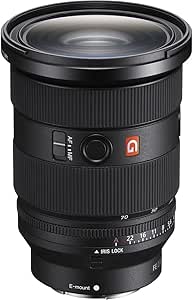
Sony FE 24-70mm F/2.8 GM II Full Frame E-Mount Standard Zoom Lens
I rank the Sony FE 24-70mm F/2.8 GM II first because it combines a workhorse focal range, a constant f/2.8 aperture, and unusually manageable weight. At 695 g, it is 205 g lighter than the Canon RF 24-70mm F2.8L, making it easier to carry through weddings, assignments, or video shoots without surrendering low-light flexibility. Its advanced glass and quiet autofocus support sharp detail, controlled background blur, and discreet focusing. The Canon RF 24-105mm f/4L reaches farther, but the Sony admits more light and offers stronger subject separation. The drawbacks are a high purchase price, costly 82mm filters, and E-mount exclusivity. I see it as the most balanced professional standard zoom here, particularly for hybrid Sony shooters who value portability.
Pros:- Relatively light 695 g build for a professional f/2.8 standard zoom
- Constant f/2.8 aperture supports low-light work and strong background separation
- Fast, precise, and quiet autofocus suits both stills and video
- Advanced optical design delivers high resolution across a practical focal range
Cons:- Professional-grade price is difficult to justify for occasional use
- Large 82mm filters can add considerable accessory cost
- E-mount compatibility limits its appeal to Sony-system photographers
Best for: Sony full-frame photographers and hybrid creators who need one fast, portable zoom for events, portraits, travel, and video
Not ideal for: Budget shoppers or photographers outside the Sony E-mount system, since the price and mount commitment are substantial
- Focal Length:24-70mm
- Maximum Aperture:f/2.8
- Lens Mount:Sony E-mount
- Filter Size:82mm
- Weight:695 g
- Autofocus:Yes
- Special Elements:2 XA, 2 ED, and 2 Super ED
- Length:16 mm shorter than the previous model
Our verdict“I recommend this as the leading all-purpose choice for Sony shooters who want professional speed and image quality without carrying a 900 g standard zoom.”
Canon RF100-400mm F5.6-8 IS USM Telephoto Lens for EOS R Series Cameras
The Canon RF100-400mm F5.6-8 IS USM earns its place by putting substantial telephoto reach into a 635 g body. That makes it far easier to pack than Canon’s professional standard zooms, while the 100-400mm range lets distant wildlife, field sports, and compressed landscapes fill the frame. Compared with the Canon RF 24-105mm f/4L, it gives up wide-angle coverage and aperture speed in exchange for nearly four times the long-end reach. Stabilization and Nano USM autofocus help counter camera shake and track moving subjects, while 0.41x magnification adds close-up flexibility. Its weakness is the slow f/5.6-8 aperture: evening action may demand high ISO, and serious bird photographers could find 400mm restrictive. I favor it for daylight outings where low weight matters more than maximum light gathering.
Pros:- Portable 635 g design makes long-lens travel more practical
- Versatile 100-400mm range covers wildlife, sports, and distant details
- Nano USM provides fast and quiet autofocus
- Up to 0.41x magnification broadens its usefulness for close subjects
Cons:- Maximum aperture narrows to f/8 at the long end, limiting low-light performance
- 400mm may be too short for small or very distant wildlife
- Up to six stops of stabilization depends on pairing it with a compatible camera
Best for: EOS R travel, wildlife, and outdoor-sports photographers who want 400mm reach without carrying a large professional telephoto
Not ideal for: Indoor-sports and dawn-or-dusk wildlife specialists who need a faster aperture or more than 400mm of native reach
- Focal Length:100-400mm
- Maximum Aperture:f/5.6-8
- Lens Mount:Canon RF
- Image Stabilization:Up to 6 stops with compatible cameras
- Minimum Focusing Distance:2.89 ft at 200mm
- Maximum Magnification:0.41x at 400mm
- Filter Size:67mm
- Weight:635 g
- Autofocus:Nano USM
Our verdict“I would choose this for portable daylight reach, but not for low-light action or buyers who routinely need more than 400mm.”
Canon EF 50mm f/1.8 STM Lens for Canon EOS DSLR Cameras
I give the Canon EF 50mm f/1.8 STM the value position because its bright aperture creates shallow depth of field and supports handheld shooting in dim rooms at a far lower cost than the zooms here. It also weighs only 159 g, so a DSLR kit remains easy to carry. Compared with the Canon RF 24-105mm f/4L, this prime is much less flexible for framing, yet its f/1.8 aperture gathers more light and produces stronger background separation. STM focusing is smooth and quiet, which adds basic video usefulness. Buyers must accept a fixed field of view, no image stabilization, and older EF-system compatibility; adapting it to an EOS R body adds bulk. I rate it as the clearest low-cost route to portrait photography, especially for DSLR owners learning how aperture changes an image.
Pros:- Bright f/1.8 aperture supports low-light shooting and pronounced background blur
- Very light 159 g construction fits easily into a small camera bag
- STM motor offers smooth, quiet autofocus for stills and video
- Strong image-making potential at an accessible price
Cons:- Fixed 50mm focal length lacks the framing flexibility of a zoom
- No optical image stabilization for slower handheld exposures
- EF mount requires an adapter when used on Canon EOS R cameras
Best for: Canon EOS DSLR owners learning portrait, food, or low-light photography on a limited budget
Not ideal for: Travelers wanting one lens for wide scenes and distant subjects, since the fixed 50mm view cannot replace a zoom
- Focal Length:50mm
- Maximum Aperture:f/1.8
- Lens Construction:6 elements in 5 groups
- Diagonal Angle of View:46°
- Closest Focusing Distance:1.15 ft / 0.35 m
- Filter Size:49mm
- Dimensions:Approx. 2.7 x 1.5 in / 69.2 x 39.3 mm
- Weight:Approx. 5.6 oz / 159 g
- Focus Adjustment:Autofocus with full-time manual override
Our verdict“I recommend this to Canon DSLR beginners who want affordable subject separation and low-light ability more than zoom convenience.”
Canon RF 24-105mm f/4L IS USM Zoom Lens for EOS R Series
The Canon RF 24-105mm f/4L IS USM is my choice for buyers who would rather change lenses less often. Its range moves from wide landscapes and interiors to flattering portrait perspectives, while the constant f/4 aperture keeps exposure behavior predictable throughout the zoom. Compared with the Canon RF 24-70mm F2.8L, it reaches 35mm farther and offers a more flexible single-lens travel setup. The compromise is one stop less light, so the 24-70mm is better for dim venues and stronger background blur. Optical stabilization helps with stationary subjects, but it cannot freeze people moving in poor light. The control ring also places common settings close at hand. I rank this below the faster standard zooms for events, yet its broader everyday coverage makes it the more practical option for daylight travel, family photography, and general EOS R use.
Pros:- Broad 24-105mm range reduces the need for frequent lens changes
- Constant f/4 aperture maintains consistent exposure through the zoom range
- Optical image stabilization supports sharper handheld photographs
- Dedicated control ring offers quick access to camera settings
Cons:- f/4 aperture is less capable in dim conditions than the f/2.8 alternatives
- L-series pricing is high for photographers who only shoot occasionally
- Canon RF mount prevents direct use on EOS DSLR bodies
Best for: EOS R owners who want one high-quality lens for travel, family photographs, landscapes, and everyday portraits
Not ideal for: Wedding, concert, and indoor-event photographers who need the extra light and subject separation of an f/2.8 zoom
- Focal Length:24-105mm
- Maximum Aperture:f/4
- Lens Type:Standard zoom
- Lens Mount:Canon RF
- Compatibility:Canon EOS R series
- Image Stabilization:Yes, up to 5 stops
- Control Ring:Yes
Our verdict“I favor this for EOS R photographers who prioritize one-lens versatility over the low-light advantage of a shorter f/2.8 zoom.”
Canon RF 24-70mm F2.8L IS USM Lens for Canon EOS R Series Mirrorless Cameras
I place the Canon RF 24-70mm F2.8L IS USM at the head of the Canon standard-zoom choices for event professionals. Its constant f/2.8 aperture offers better low-light flexibility and background separation than the Canon RF 24-105mm f/4L, while five-stop optical stabilization supports slower handheld exposures when subjects remain still. Nano USM focusing also suits ceremonies and video work where noisy focus changes would be distracting. Compared with the Sony FE 24-70mm F/2.8 GM II, however, the Canon weighs 205 g more, a difference that can become tiring during long assignments. The 24-105mm also provides greater reach for travel. Buyers are paying heavily for speed, stabilization, and professional optics, and 82mm filters add further expense. My view is that its low-light advantage justifies the weight mainly for committed EOS R shooters earning value from dependable performance.
Pros:- Constant f/2.8 aperture supports dim venues and strong subject separation
- Up to five stops of optical stabilization aids handheld shooting
- Nano USM autofocus is fast, smooth, and quiet
- Close focusing at the wide end adds detail-shot versatility
Cons:- Heavy 900 g construction can fatigue photographers during long sessions
- High price places it beyond many enthusiast budgets
- Large 82mm filter thread makes quality filters more expensive
Best for: Canon EOS R wedding, event, portrait, and commercial photographers who need a stabilized f/2.8 standard zoom
Not ideal for: Casual travelers and lightweight-kit buyers, since the 900 g body and professional price impose substantial carrying and ownership costs
- Focal Length:24-70mm
- Maximum Aperture:f/2.8
- Lens Mount:Canon RF
- Image Stabilization:Up to 5 stops
- Autofocus:Nano USM
- Minimum Focusing Distance:0.69 ft at wide angle; 1.25 ft at telephoto
- Filter Size:82mm
- Weight:900 g
- Lens Construction:21 elements in 15 groups
Our verdict“I would buy this for paid EOS R event work where f/2.8 speed and stabilization outweigh cost and carrying weight.”
Canon RF28-70mm F2 L USM Lens
I rank the Canon RF28-70mm F2 L USM as the Best Maximum-Aperture Zoom because its constant f/2 aperture offers a full stop more light than the Canon RF 24-70mm F2.8L IS USM. That difference supports faster shutter speeds, cleaner low-light files, and shallower depth of field without switching to prime lenses. Compared with the Canon RF 24-105mm f/4L IS USM, it sacrifices both wide-angle coverage and telephoto reach for far stronger subject separation. Fast, quiet USM autofocus and weather sealing suit demanding event, portrait, and editorial assignments. The compromise is substantial: its large 95mm filter size, bulky build, and premium price make it a poor casual travel lens. It also lacks the 24mm starting point and optical stabilization found on the RF 24-70mm, so I favor it specifically for buyers who value f/2 performance above portability.
Pros:- Constant f/2 aperture supports faster shutter speeds and pronounced background separation
- High image quality can replace several prime lenses across its zoom range
- Fast, quiet USM autofocus suits still photography and discreet event coverage
- Weather-sealed construction supports demanding outdoor assignments
Cons:- Heavy, bulky construction can become tiring during long handheld sessions
- Premium price places it beyond many enthusiast budgets
- 28mm starting point is less versatile than 24mm alternatives, and the lens lacks optical image stabilization
Best for: Professional EOS R event, wedding, and portrait photographers who want prime-like low-light performance from one standard zoom
Not ideal for: Travel photographers and handheld video creators who need a lighter lens, a wider 24mm view, or optical image stabilization
- Focal Length:28-70mm
- Maximum Aperture:f/2
- Lens Mount:Canon RF
- Compatibility:Canon EOS R series
- Filter Size:95mm
- Weather Sealing:Yes
- Control Ring:Yes
- Maximum Magnification:0.18x
Our verdict“I recommend this lens to EOS R professionals who will accept exceptional size and cost to gain a constant f/2 aperture across a useful standard zoom range.”

How We Picked
I ranked these camera lenses by real shooting flexibility, optical capability, autofocus design, portability, build quality, and value within each mount. I gave extra weight to focal ranges that can cover several common subjects without forcing frequent lens changes. Aperture mattered because it affects low-light shooting and background separation, while stabilization mattered more for slower zooms and longer focal lengths. I also examined whether each lens offers a meaningful advantage over another option rather than rewarding specifications that add cost without helping its likely buyer.
The final order reflects broad usefulness before specialist power. That places the Sony 24-70mm first for its balanced professional design, while the Canon RF100-400mm earns a high position through reach that none of the standard zooms can match. The inexpensive EF 50mm follows as the strongest value, and the RF 24-105mm leads the Canon RF everyday choices on range. I placed the RF 24-70mm and RF28-70mm lower because their brighter apertures come with higher prices and narrower buyer profiles, even though both can outperform the slower zooms in the right setting.
| camera lense | Maximum Aperture | Lens Mount | Autofocus | Image Stabilization |
|---|---|---|---|---|
| Sony FE 24-70mm F/2.8 GM II Fu | f/2.8 | Sony E-mount | Yes | — |
| Canon RF100-400mm F5.6-8 IS US | f/5.6-8 | Canon RF | Nano USM | Up to 6 stops with compatible cameras |
| Canon EF 50mm f/1.8 STM Lens f | f/1.8 | — | — | — |
| Canon RF 24-105mm f/4L IS USM | f/4 | Canon RF | — | Yes, up to 5 stops |
| Canon RF 24-70mm F2.8L IS USM | f/2.8 | Canon RF | Nano USM | Up to 5 stops |
| Canon RF28-70mm F2 L USM Lens | f/2 | Canon RF | — | — |
Factors to Consider When Choosing Camera Lenses
My buying advice starts with the camera mount, but compatibility alone does not reveal which lens will serve you best. I would match the focal range to the subjects photographed most often, then decide how much aperture speed, stabilization, and build quality those subjects justify. The smartest purchase is rarely the lens with the boldest specification; it is the one whose strengths appear in your regular work and whose drawbacks you can live with.
Match the Lens Mount Before Comparing Features
I would verify the mount and camera type before comparing apertures or focal lengths. Sony FE lenses fit Sony E-mount bodies, while Canon RF lenses are made for EOS R mirrorless cameras and do not attach to Canon DSLRs. The Canon EF 50mm fits compatible EOS DSLRs directly and can work on EOS R bodies through a suitable EF-to-RF adapter. An adapter adds length and another connection point, even when electronic functions remain available. I would avoid choosing a lens solely because it has a familiar brand name, since Canon EF and Canon RF are different mounts. Sensor size matters too: a full-frame lens used on an APS-C body produces a narrower field of view, which can help with distant subjects but make standard lenses feel less wide.
Choose a Focal Range Around Real Subjects
I see focal length as a decision about framing distance rather than a larger-is-better specification. A 24-70mm zoom covers wide scenes through short portraits, making it useful for events, documentary work, and mixed assignments. Extending to 105mm reduces lens changes during travel and adds flattering portrait reach, though the accompanying f/4 aperture is less capable in dim rooms than f/2.8. A 50mm prime removes zoom convenience but encourages deliberate framing and usually delivers a brighter aperture for less money. The 100-400mm range serves distant wildlife, aircraft, and outdoor sports, yet it is awkward for interiors and nearby groups. I would base the purchase on the range used most often rather than buying extreme reach for occasional situations.
Balance Aperture Speed Against Size and Cost
A wider maximum aperture collects more light and can create stronger separation between a subject and its background. Moving from f/4 to f/2.8 gains one stop of light, while f/2 gains another stop over f/2.8. Those gains can support faster shutter speeds indoors, but they require larger glass elements, heavier construction, and a higher budget. Depth of field at f/2 can also become thin enough that focusing errors are easier to see. For landscapes, travel, and daylight shooting, I may prefer a lighter f/4 zoom because apertures such as f/5.6 or f/8 are often used anyway. I would pay for f/2 or f/2.8 performance when low-light events, portraits, or subject isolation form a regular part of the workload.
Treat Stabilization and Aperture as Different Tools
I would not treat image stabilization as a substitute for a bright aperture. Stabilization reduces blur from camera movement, helping with static subjects at slower shutter speeds, but it cannot freeze an athlete, bird, or moving child. A wider aperture supports a faster shutter speed, although it also reduces depth of field. Stabilization becomes especially useful at telephoto focal lengths, where small hand movements are magnified in the frame. Camera bodies with sensor-shift stabilization may add support, but results vary by body and lens pairing. For handheld travel or long-lens work, I would favor a stabilized lens or body combination; for moving subjects in poor light, aperture speed deserves more weight.
Judge Value by Carry Rate, Not Purchase Price Alone
I measure value by how often a lens will be carried and how many assignments it can cover, not only by its price tag. A premium zoom used every week may offer better value than a cheap specialist lens left at home. Weight affects that calculation: the RF28-70mm f/2 offers unusual speed, but its bulk can discourage casual outings or require a sturdier support setup. Weather-resistant construction and refined controls can justify extra spending for paid outdoor work, while hobbyists shooting in controlled settings may gain little from them. Filter diameter, protective filters, carrying space, and possible adapter costs also shape the full expense. Before paying more, I would ask whether the upgrade changes shutter speed, framing options, or reliability in a way that supports a frequent and specific need.
Frequently Asked Questions
Can I Use These Canon RF Lenses on a Canon EOS DSLR?
No, I would not buy an RF lens for a Canon EOS DSLR because the RF mount was designed for Canon’s mirrorless EOS R system and cannot be adapted backward in a practical way. The Canon EF 50mm f/1.8 STM is the direct DSLR option in this roundup. EF lenses can move forward to an EOS R camera through a compatible adapter, which makes them more flexible for someone planning a gradual system change. RF lenses remain attractive for EOS R owners because their designs are tailored to the shorter mirrorless mount. I would confirm the exact mount printed on the camera before ordering any lens.
Should I Buy a 24-70mm f/2.8 or a 24-105mm f/4?
I would choose a 24-70mm f/2.8 for indoor events, portraits, weddings, or assignments where faster shutter speeds and stronger background blur matter. A 24-105mm f/4 makes more sense for travel, daylight work, and buyers who want extra reach without changing lenses. The f/2.8 model gathers twice as much light at its widest aperture, but it usually costs more and may offer less zoom coverage. The 24-105mm reaches farther for details and portraits, while its stabilization helps with stationary scenes in limited light. My decision would come down to whether aperture speed or one-lens range solves the more common problem.
Is the Canon RF28-70mm f/2 Worth More Than the RF 24-70mm f/2.8L?
The RF28-70mm f/2 is worth its premium when f/2 is used regularly for low-light events, environmental portraits, or a prime-like look without changing lenses. I would choose the RF 24-70mm f/2.8L for a more balanced professional kit because it starts wider, includes optical stabilization, and is easier to carry. The four-millimeter difference at the wide end can matter in tight interiors and group photographs. The f/2 model gains a full stop of light but imposes a serious weight and cost penalty. Unless that extra stop directly supports paid work or a defined creative style, the 24-70mm is the more sensible purchase.
Can a 50mm Prime Replace a Standard Zoom?
A 50mm prime can replace a zoom for portraits, street photography, detail work, and low-light scenes if moving closer or farther is practical. It cannot reproduce the wide framing of 24mm or the quick perspective changes available from a standard zoom. On a Canon APS-C DSLR, the cropped field of view feels closer to a short telephoto, which is flattering for portraits but restrictive indoors. I view the EF 50mm f/1.8 STM as a learning and value lens rather than a universal replacement. Buyers who photograph travel, events, or groups with one lens will usually find a zoom less limiting.
Is an f/5.6-8 Telephoto Lens Too Slow for Wildlife?
An f/5.6-8 telephoto can work well in daylight, especially for perched birds, zoo subjects, larger wildlife, and outdoor sports. As light falls, I would expect higher ISO settings or slower shutter speeds than a larger-aperture telephoto would require. Stabilization helps keep static subjects sharp but does not stop wing movement or fast action. The trade is a lens that is easier to carry and more affordable than many bright 400mm alternatives. I would choose the RF100-400mm for portable reach, but serious dawn, dusk, or indoor sports work may justify a faster and more expensive lens.
Conclusion
For the strongest all-around professional choice, I recommend the Sony FE 24-70mm F/2.8 GM II to Sony E-mount owners who want speed without an unusually heavy standard zoom. The Canon EF 50mm f/1.8 STM is my best value pick and the easiest starting point for Canon DSLR beginners who want to learn prime-lens composition. EOS R beginners or travelers who prefer one adaptable lens should choose the Canon RF 24-105mm f/4L IS USM, accepting less low-light ability in exchange for broader coverage.
For premium low-light work, the Canon RF28-70mm F2 L USM is the specialist choice when budget and weight are secondary. Canon professionals seeking a more balanced event zoom should take the RF 24-70mm f/2.8L instead, since it combines a wider starting point, stabilization, and a brighter aperture than the 24-105mm. Wildlife, aircraft, and daylight sports photographers have the clearest match in the Canon RF100-400mm F5.6-8 IS USM. My final choice would follow the camera mount first, then the subject that appears most often, because those two filters separate these six lenses more clearly than price or aperture alone.
Halloween Picks
halloween
As an affiliate, we earn on qualifying purchases.