
Sam Altman, the CEO of OpenAI, has recently sparked significant discussion regarding the complex relationship between AI startups and technology responsibility. By drawing a parallel to the development of nuclear weapons, he emphasizes that the creators of artificial intelligence bear a considerable ethical burden. The rapid emergence of AI startups presents both incredible opportunities and daunting challenges, demanding a thoughtful approach to innovation. This article delves into Altman’s insights and reflects on the broader implications of AI advancements, particularly as they relate to nuclear bomb risks.
Key Takeaways
- Sam Altman highlights the ethical responsibilities tied to AI startups.
- The creation of AI technology bears risks similar to nuclear bomb development.
- Responsible innovation in AI requires careful consideration and caution.
- OpenAI plays a crucial role in promoting ethical AI practices.
- Understanding historical contexts can inform safer AI development.
The Emergence of AI Startups
The emergence of AI startups has taken the tech world by storm, driven by significant advancements in technology and a surge in investments from industry giants like Alphabet, Meta, and Microsoft. This vibrant landscape reflects the changing dynamics of the technology sector, with companies eagerly exploring how artificial intelligence can enhance efficiency and tackle complex challenges.
Today, thousands of entrepreneurs are taking the leap into the start-up culture. Their goal is to harness the transformative potential of AI, creating innovative solutions that appeal to various market needs. As this trend continues, both investors and developers view the AI sector as a highly lucrative opportunity.
Innovation in technology is a key factor propelling the development of these startups. The interplay of creativity and resourcefulness in the field has led to breakthroughs that promise to revolutionize multiple areas, from healthcare to finance. As new ideas emerge, the start-up culture thrives, evidenced by the rapid launch of fresh ventures aiming to make a mark in the AI domain.
Top picks for "altman startup nuclear"
Open Amazon search results for this keyword.
As an affiliate, we earn on qualifying purchases.
Understanding Sam Altman’s Perspective
Sam Altman’s perspective on AI development highlights the essential balance between innovation and caution. He recognizes that the advancements in artificial intelligence can lead to groundbreaking changes across various industries. This progress opens doors to new capabilities and efficiencies that were previously unimaginable.
Despite these promising advancements, Altman emphasizes the significant technology risks that accompany unregulated AI growth. He argues that if not managed appropriately, the same technologies designed to enhance human life could potentially pose serious threats. His viewpoint aligns with historical debates surrounding nuclear technology, where the benefits coexisted with grave dangers.
Understanding the Sam Altman perspective encourages a more profound contemplation of AI’s role in society, urging stakeholders to navigate the ethical complexities tied to its development. As AI continues to evolve, careful consideration of its risks and responsibilities becomes paramount.

Sam Altman Compares Building an AI Startup to Making a Nuclear Bomb
Sam Altman presents a thought-provoking analogy between the construction of AI startups and the fabrication of nuclear weapons. Both domains embody transformative power and necessitate substantial accountability. The responsibility borne by individuals in the AI sector mirrors the deliberations undertaken by scientists during the nuclear age. The consequences of innovations in artificial intelligence could be as significant as those seen with nuclear technology.
The Parallels of Power and Responsibility
As Altman elucidates, the power inherent in developing AI carries with it profound AI startup responsibilities. Just like the creators of nuclear bombs faced challenges regarding their invention’s use, those involved in ethical technology must navigate potential societal impacts. The lessons of historical technology underscore the critical need to understand the implications of decisions made lest they follow unintended trajectories.
Why Innovation Requires Caution
The urgency for cautious innovation stems from heightened awareness about potential risks associated with AI. Drawing upon nuclear bomb comparisons, Altman emphasizes that much like nuclear energy, AI technology holds remarkable possibilities for good but can equally engineer destructive paths if misused. Balancing these factors is essential for creating a future that aligns technological advancement with societal well-being.
The Role of OpenAI in AI Development
OpenAI plays a crucial part in shaping the landscape of artificial intelligence. By focusing on both responsible innovation and the OpenAI mission, the organization aims to lead the way in creating AI that aligns well with human values. This mission encompasses not just technological advancement but also emphasizes the importance of ensuring that such developments serve society as a whole.
OpenAI’s Mission and Vision
The OpenAI mission is about enhancing digital intelligence in a manner that is safe and beneficial for humanity. This vision is rooted in transparency, collaboration, and sustainability, aiming to foster an environment where AI research leads to positive societal impact. As OpenAI navigates the challenges associated with rapid advancements in technology, the focus remains on responsible and ethical practices.
Importance of Ethical AI
Ethical AI has become a foundation for OpenAI’s operations. With the power of AI advancing at an unprecedented rate, ensuring these technologies are developed responsibly is essential. The commitment to ethical AI involves integrating values into the AI research process, thereby reducing risks of misuse or unintended consequences. Through guidelines and frameworks, OpenAI seeks to set standards for ethical conduct in AI development, fostering trust among stakeholders and users alike.

The Historical Context of Nuclear Technology
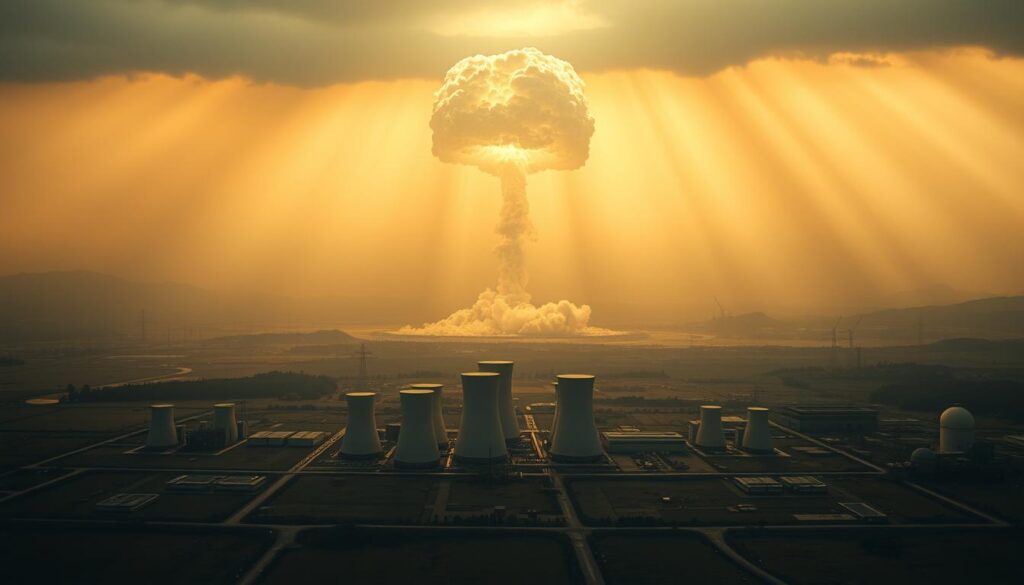
The evolution of nuclear technology reflects a complex narrative intertwined with human ambition and ethical considerations. In its infancy, the aim revolved around harnessing energy and enhancing national security. Yet, as the nuclear technology history unfolded, it became evident that this potent force also carried significant dangers of nuclear weapons.
During the mid-20th century, the world witnessed a stark illustration of this duality through nuclear tests and bombings. The devastating impact of these events not only reshaped geopolitical landscapes but also raised profound moral questions regarding the stewardship of such capability. As the technology evolution continued, it highlighted the urgent need for regulations to prevent misuse and to manage the risks associated with nuclear advancements.
Today’s innovators face a similar challenge. The potential of artificial intelligence mirrors the transformative power of nuclear technology. As historical lessons remind us of the responsibility tied to managing powerful tools, the contemporary landscape demands a cautious approach towards AI development and deployment. A delicate balance between innovation and ethical considerations will be critical in ensuring that the legacy of past technologies informs future advancements.
Risks Involved in Developing Advanced AI
The rapid evolution of artificial intelligence presents various challenges, notably regarding the misuse of technology. The societal impact of AI can be profound, with potential outcomes that necessitate serious conversation. Addressing these AI misuse risks requires a deep understanding of the underlying dangers of AI, especially as this technology gains greater accessibility.
Potential Dangers of AI Misuse
AI systems can be used for a multitude of purposes, some of which may have harmful consequences. Among the most pressing concerns are:
- Deepfake technology, which can manipulate images and videos to create false narratives.
- Autonomous weapons that may operate beyond human control, posing risks to global security.
- Privacy violations through surveillance systems that leverage AI for monitoring individuals without consent.
As more organizations harness AI, the scale of these risks can increase substantially. Recognizing the factors that contribute to the dangers of AI is crucial for managing its implications.
Lessons from Historical Technology Risks
Examining historical instances of technology misuse provides valuable insights into the societal impact of AI. Notable examples include:
| Technology | Misuse Examples | Consequences |
|---|---|---|
| Nuclear Technology | Arms proliferation, accidents | Global security risks, humanitarian crises |
| Internet | Cyberbullying, misinformation | Social discord, erosion of trust |
| Genetic Engineering | Designer babies, bio-weapons | Ethical dilemmas, societal divides |
Reflecting on these historical examples can guide contemporary discussions regarding AI misuse risks. Understanding the motivations and ethical considerations surrounding AI development promotes a more responsible approach to leveraging its potential.
Future Implications of AI Startups
The landscape surrounding the future of AI startups looks increasingly bright yet challenging. As these startups continue to emerge, their role will extend beyond mere economic contributors to cultural and ethical influencers. The AI implications of these advancements raise pressing questions about the balance between innovation and responsibility.
Startups are on the front lines of technological evolution and hold the potential to impact various sectors significantly. The innovation impact led by these companies could redefine industries, reshape employment patterns, and alter consumer experiences. As investors and entrepreneurs focus on AI-driven solutions, it becomes imperative to consider how these advancements will shape societal norms and regulatory frameworks.
For AI startups to thrive in a responsible manner, a holistic approach encompassing ethical considerations is essential. Embracing a vision that champions accountability while insisting on positive societal outcomes will guide these ventures. This delicate balancing act will determine not just the success of individual companies but also the overall trajectory of AI’s role in our future.

Conclusion
In summary, Sam Altman’s comparison of AI startups to nuclear bomb development highlights significant insights about the power and responsibilities of AI. As we move into an era where AI technology is continuously evolving, understanding these parallels becomes essential for all sectors involved in innovation. This points to the necessity of maintaining a balanced approach, ensuring that the responsibilities of AI are taken seriously by developers, investors, and policymakers alike.
The AI startup future is filled with potential, but it is crucial to navigate this landscape with caution. The lessons learned from past technological advancements teach us that while innovation drives progress, it must be accompanied by strict ethical standards and risk management strategies. Altman concludes that with the right mindset and collaborative efforts, the influence of AI can lead to transformative changes that are beneficial to society.
Ultimately, the stakes are high, and the implications of AI development are profound. By prioritizing safety and ethical accountability, we can harness the capabilities of AI and steer toward a promising and responsible future, as envisaged through Altman’s reflections and insights.