OpenAI Reportedly Raised $11 Billion of a $30 Billion Goal, and S&P Turned Meta’s Outlook Negative. Is the AI Money Running Out, or Just Getting Picky?

An empty boardroom with a long white table, closed folders and a glass of water, evening light over a city skyline through tall windows
OpenAI cut its funding target to about $20 billion and, per the WSJ, has collected about $11 billion; the same day S&P turned Meta’s outlook negative over AI spending. What is confirmed and what is only reported, why this is not a collapse, what S&P says about Meta, my reading (pickier, not empty) and what it means for companies and users. Not investment advice.
View Post

Computers and Software Drove a Third of US Growth Last Quarter. What Happens If the AI Boom Slows?

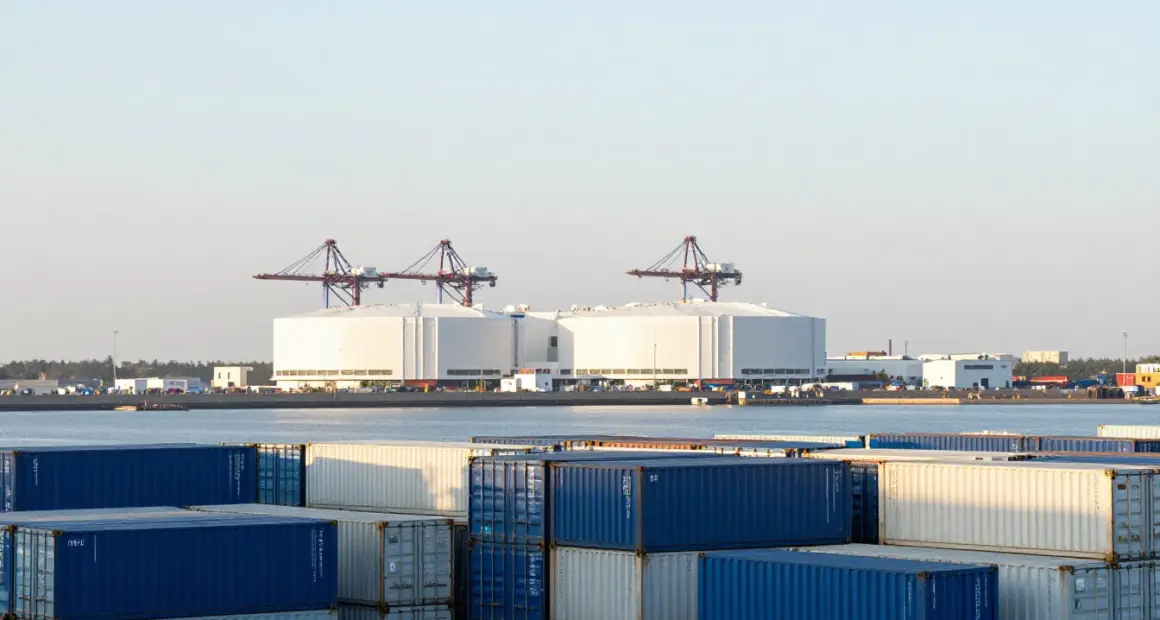
Stacks of blue and white shipping containers in a harbor in the foreground, large white industrial halls with port cranes behind them across calm water
The US economy grew at a 3.4% annual rate in Q3 2026. BEA tables show information processing equipment and software added 1.09 points, about a third, and roughly 45% over four quarters. But imported computer gear took about 1.1 points back. Data center construction is up 73% while hiring stalls. What happens if AI spending slows, and what it means for companies, workers and consumers.
View Post

Intel’s Worst Day Since the 1970s Knocked More Than $11 Billion Off Washington’s Stake. What Went Wrong, and What It Means

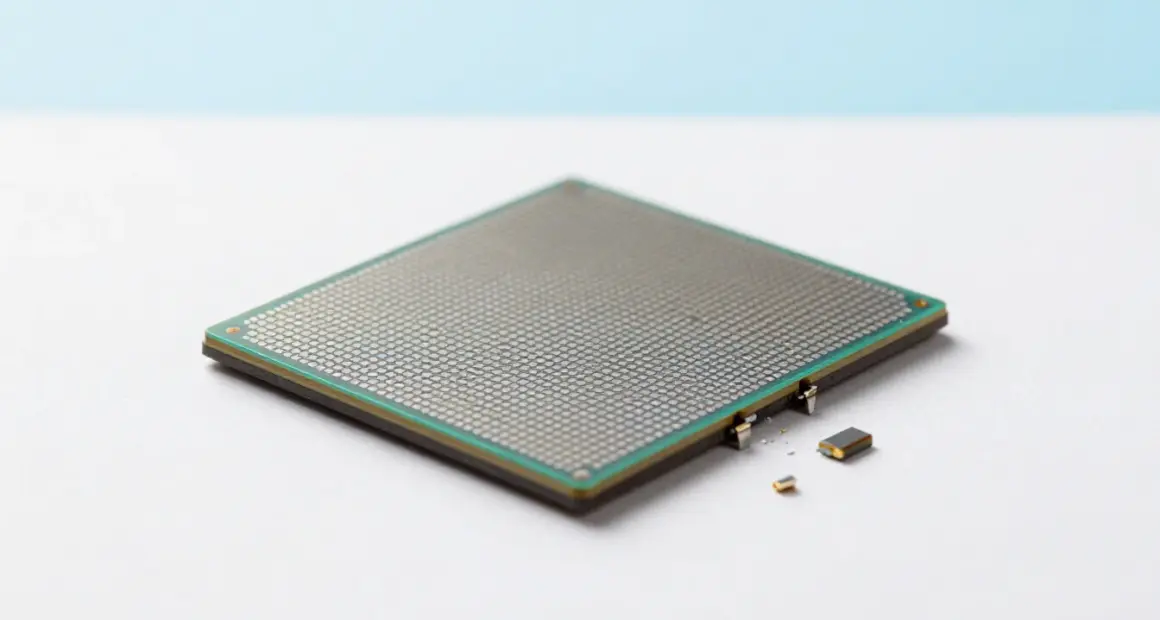
Close-up of a square computer chip package on a white surface with one corner broken off and small fragments lying beside it
Intel’s stock fell about 29% on Friday, 30 October 2026, its worst day since 1974 by Yahoo Finance’s count, and the US government’s 433.3 million shares lost more than $11 billion in value in a day. From Intel’s filings and earnings call: why a strong quarter came with a weak forecast, how the AI boom lifts its server business while the memory squeeze hits PCs, how Washington’s stake works, and what it means for companies and users. Not investment advice.
View Post

Anthropic Could Go Public With a “Junk” Credit Rating. What That Means, and What Is Actually Confirmed

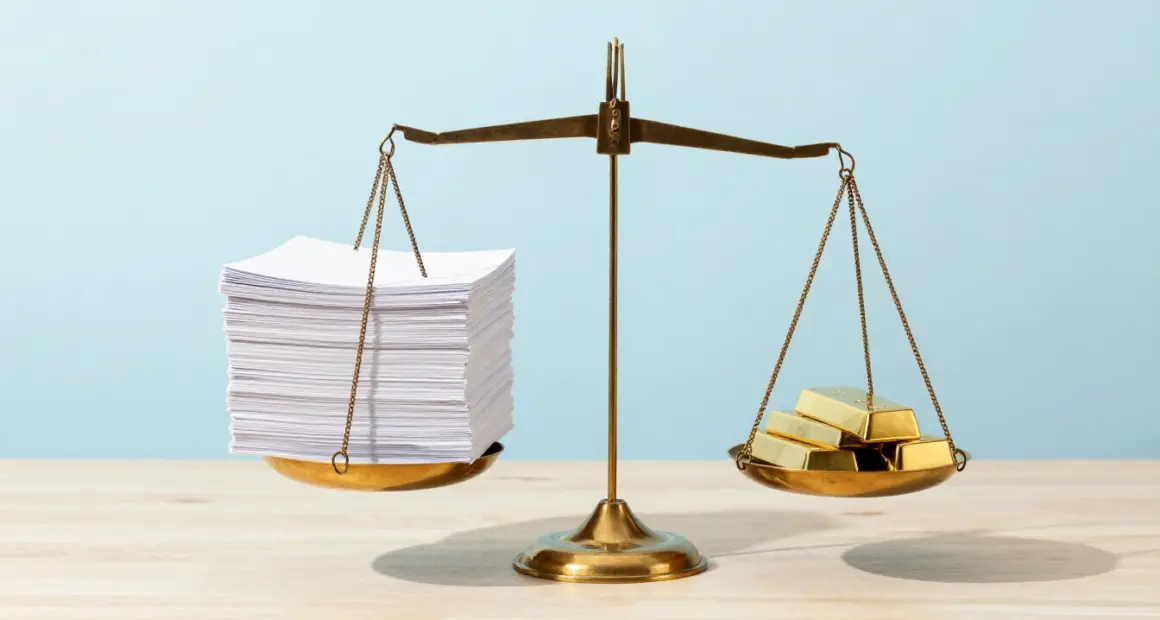
A brass balance scale on a light wooden desk, a tall stack of white documents on one side outweighing a few gold bars on the other
The FT reports that Blackstone now expects Anthropic to get a double-B, or “junk”, credit rating after its IPO. Anthropic and Blackstone declined to comment, and no agency has rated it yet. What the S-1 confirms, what junk means in plain words, why a fast-growing AI lab can still look risky to lenders, and what it means for companies and users.
View Post

Who Pays for the AI Data Center Boom? Follow the Money: Cash, Bonds, Leases and Power Bills

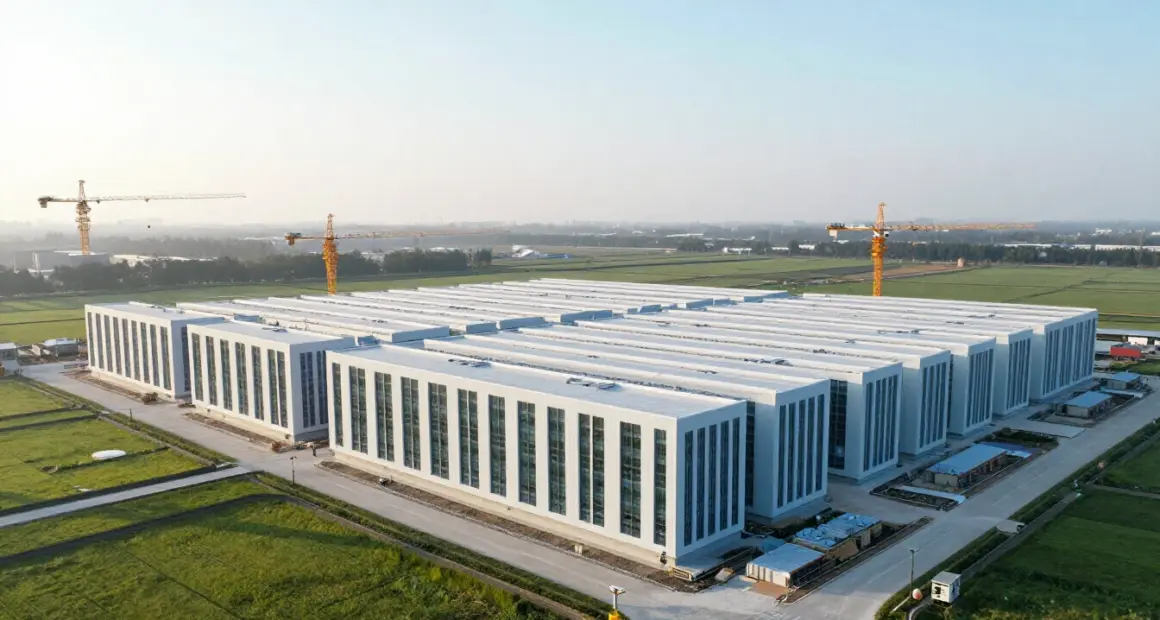
Aerial view of a large data center campus under construction with rows of long white halls and tower cranes in green fields
Amazon, Microsoft, Alphabet and Meta spent about $202 billion on property and equipment in Q3 2026, and three of four spent more than their business brought in. From their filings: the five ways the AI data center boom is financed (cash, bonds, leases, side companies, new shares) plus long power contracts, the $1 trillion in leases not yet started, where the risks sit, the bubble debate, and what it means for companies and users.
View Post

Amazon Tells Engineers to Stop Tokenmaxxing. Its Own AI Bets Show What Measuring Outcomes Really Means

A brass balance scale on a bright desk by a window: a small heap of tokens in the raised left pan, one wrapped parcel in the lowered right pan
Amazon’s engineering leadership calls token counts and AI usage metrics “deeply flawed” as targets: outcomes are what count. Its own AI bets tell the same story. Most flagship Nova models were wound down, while about $18 billion invested in Anthropic was carried at about $190 billion on June 30. What the memo says, what the numbers show, what companies should measure instead, and what to watch when Amazon reports on October 29.
View Post