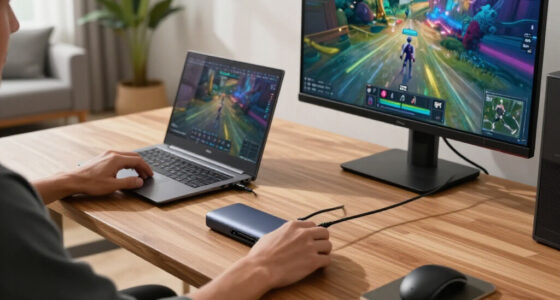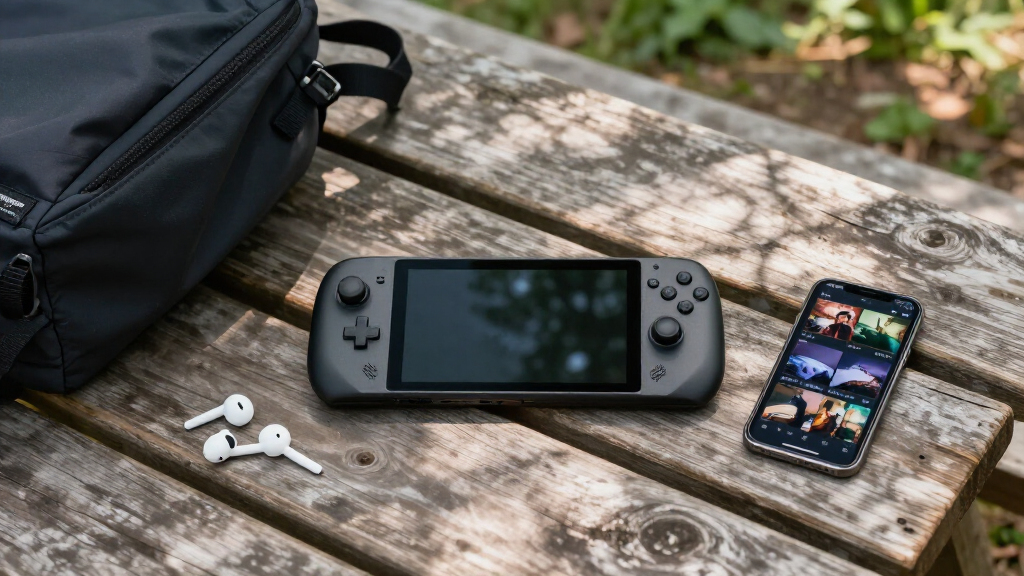

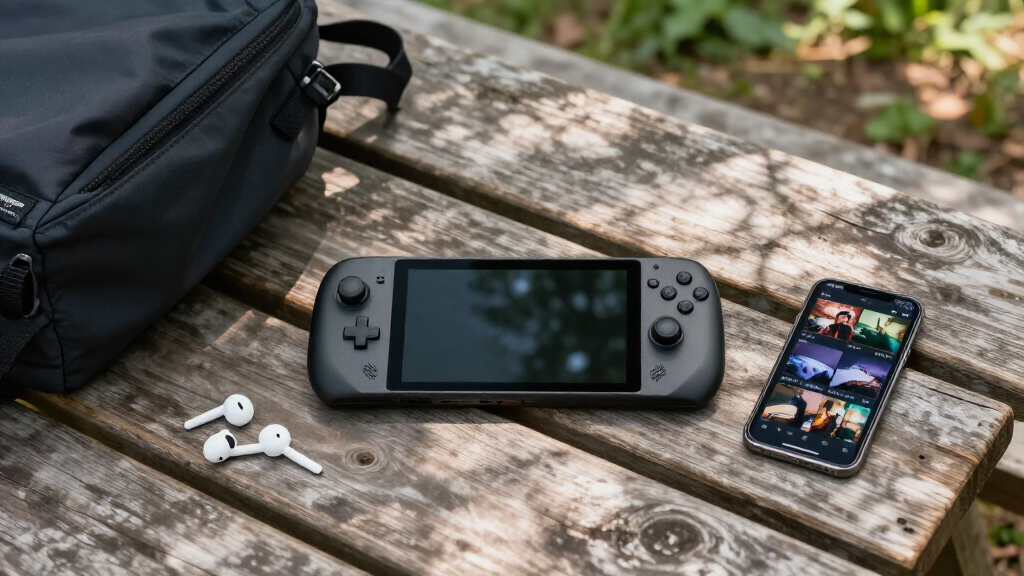
Gaming handhelds continue to evolve, offering a range of options for portable gaming on the go. The AYN Odin 2 Portal Base Retro Handheld stands out as the best overall with its versatile emulation capabilities and robust build. The ASUS ROG Xbox Ally excels with its high-refresh-rate display and seamless Xbox Game Pass integration, making it ideal for premium gamers. Meanwhile, the Lenovo Legion Go combines powerful AMD graphics with a portable form factor suited for serious mobile gaming. As choices diversify, buyers face tradeoffs between performance, price, and usability. Continue reading for a detailed breakdown of these top options and what makes each one unique.

Get business pricing on tech for your team
- Business-only prices and quantity discounts
- Tax-exempt purchasing
- Multiple users, one account, clear invoices
Key Takeaways
- Performance and build quality vary significantly, with premium models offering more power but at a higher cost.
- Display quality, including refresh rate and resolution, is crucial for a smooth gaming experience, especially on high-end devices.
- Emulation capabilities differ; some handhelds excel at running retro games, while others focus on modern titles.
- Battery life is often a compromise—more powerful devices tend to drain faster, requiring careful consideration based on usage habits.
- Compatibility with existing ecosystems, like Xbox Game Pass or Android apps, can greatly influence the overall value.
| AYN Odin 2 Portal Base Retro Handheld Game Console |  | Best Overall for Power and Versatility | Processor: Snapdragon 8 Gen 2 | GPU: Adreno 740 | Display: 7″ 1080P OLED Touch Screen | VIEW LATEST PRICE | See Our Full Breakdown |
| MANGMI AIR X Android Handheld Game Console, 5.5″ FHD IPS, 4GB+64GB, Black |  | Best for Compact Portability and Customization | Display: 5.5-inch FHD IPS | Processor: Qualcomm Snapdragon 662 | RAM: 4GB | VIEW LATEST PRICE | See Our Full Breakdown |
| Lenovo Legion Go S – 2025 Mobile Gaming Console with AMD Radeon Graphics and 8″ Display |  | Best for High-Performance Portable Gaming | Display: 8″ 120Hz IPS | Processor: AMD Ryzen Z2 Go | Graphics: AMD Radeon | VIEW LATEST PRICE | See Our Full Breakdown |
| MSI Claw A8 PC Gaming Handheld |  | Best for Demanding Portable PC Gaming | Processor: AMD Ryzen Z2 Extreme | Display: 8-inch FHD+ 120Hz | RAM: 24GB LPDDR5x | VIEW LATEST PRICE | See Our Full Breakdown |
| ASUS ROG Xbox Ally – 7” 1080p 120Hz Touchscreen Gaming Handheld, 3-month Xbox Game Pass Premium included |  | Best for Xbox and PC Ecosystem Integration | Display: 7-inch 1080p touchscreen | Refresh Rate: 120Hz | Processor: AMD Ryzen Z2 A | VIEW LATEST PRICE | See Our Full Breakdown |
| OnePro Cloud Handheld Portable Remote Play Gaming Console, 7″ 1080P Touchscreen, 64GB, Lightweight Retro Game Handheld |  | Best Versatile Cloud and Remote Play Handheld | Display: 7-inch 1080P touchscreen | Storage: 64 GB | Battery Life: 8+ hours | VIEW LATEST PRICE | See Our Full Breakdown |
| gaming handheld | Processor | Display | Storage | Battery |
|---|---|---|---|---|
| AYN Odin 2 Portal Base Retro H | Snapdragon 8 Gen 2 | 7" 1080P OLED Touch Screen | 8GB RAM, 128GB | 8000mAh |
| MANGMI AIR X Android Handheld | Qualcomm Snapdragon 662 | 5.5-inch FHD IPS | 64GB | 5000mAh |
| Lenovo Legion Go S | AMD Ryzen Z2 Go | 8" 120Hz IPS | 512GB | 55.5Whr |
| MSI Claw A8 PC Gaming Handheld | AMD Ryzen Z2 Extreme | 8-inch FHD+ 120Hz | 1TB NVMe SSD | — |
| ASUS ROG Xbox Ally | AMD Ryzen Z2 A | 7-inch 1080p touchscreen | 512GB SSD | 60Whrs |
| OnePro Cloud Handheld Portable | MediaTek Genio 510 | 7-inch 1080P touchscreen | 64 GB | — |
More Details on Our Top Picks
AYN Odin 2 Portal Base Retro Handheld Game Console
The AYN Odin 2 Portal stands out for its combination of raw power and versatility, making it ideal for gamers who want a portable device capable of running a wide range of Android games and emulators. Its Snapdragon 8 Gen 2 processor and 120Hz OLED display ensure smooth, vibrant gameplay, surpassing the performance of the more modest MANGMI AIR X. However, its bulkier design and the need for Android familiarity might not appeal to those seeking ultra-portability or simplicity. The large 8000mAh battery allows extended play sessions, which is a significant advantage over smaller-capacity devices. The lack of preloaded games means it’s less plug-and-play, requiring some setup. This pick makes the most sense for tech-savvy gamers who prioritize performance and flexibility over compact size.
Pros:- Exceptional processor for smooth, demanding games
- Vivid 7-inch OLED display with 120Hz refresh rate
- Long-lasting 8000mAh battery for extended gameplay
- Supports Google Play Store for access to a vast game library
Cons:- Bulky design may hinder portability during travel
- Requires Android knowledge for optimal use
Best for: Power users who want a high-performance, Android-based handheld capable of emulating multiple platforms and running demanding games.
Not ideal for: Casual gamers or those seeking a lightweight, pocket-friendly device for quick gaming sessions.
- Processor:Snapdragon 8 Gen 2
- GPU:Adreno 740
- Display:7″ 1080P OLED Touch Screen
- Refresh Rate:120Hz
- Storage:8GB RAM, 128GB
- Battery:8000mAh
- Operating System:Android 13
- Charging:27W fast charging
Our verdict“Best suited for tech-savvy gamers seeking a powerful, versatile handheld capable of running a wide array of games with long battery life.”
MANGMI AIR X Android Handheld Game Console, 5.5″ FHD IPS, 4GB+64GB, Black
The MANGMI AIR X offers a compact gaming experience with a 5.5-inch FHD IPS touchscreen, making it more portable than larger options like the Lenovo Legion Go S. Its Snapdragon 662 octa-core processor handles most Android games smoothly, but it falls short of the power seen in the Odin 2 or MSI Claw A8, especially for demanding titles. The device supports multiple gaming modes, cloud streaming, and features customizable RGB lighting, which adds to its appeal for casual and mobile-focused gamers. Its smaller size makes it easier to carry, but the limited built-in storage and absence of dedicated gaming controls could be drawbacks for serious players. This device makes the most sense for gamers who prioritize pocketability and flexible control options without sacrificing decent performance.
Pros:- Compact form factor for easy portability
- FHD IPS display with vibrant visuals
- Supports cloud streaming and multiple gaming modes
- Customizable RGB lighting and controls
Cons:- Limited internal storage for large game libraries
- No dedicated gaming controls included
Best for: Mobile gamers who need a portable device with customizable controls and are comfortable with Android gaming.
Not ideal for: Hardcore gamers seeking top-tier performance or larger screens for immersive gameplay.
- Display:5.5-inch FHD IPS
- Processor:Qualcomm Snapdragon 662
- RAM:4GB
- Storage:64GB
- Battery:5000mAh
- Operating System:Android 14
- Cooling System:Single-fan active cooling
- Connectivity:5G WiFi
Our verdict“Ideal for mobile-oriented gamers who want a small, customizable Android handheld for casual and cloud gaming.”
Lenovo Legion Go S – 2025 Mobile Gaming Console with AMD Radeon Graphics and 8″ Display
The Lenovo Legion Go S delivers a high-end gaming experience in a portable form factor, featuring an 8-inch 120Hz display and a powerful AMD Ryzen Z2 Go processor with Radeon graphics. Compared to the MSI Claw A8, it emphasizes vivid visuals and longer battery life, making it suitable for extended gaming sessions. Its 16GB RAM and 512GB storage cater to demanding games, but the higher price point and portability focus mean it isn’t suited for traditional console gaming or casual use. The device’s ergonomic controllers and high-quality sound enhance immersion, though battery life can vary with intensive play. This is a strong choice for gamers seeking a premium portable device that balances performance and portability.
Pros:- High-performance AMD Ryzen Z2 Go processor
- Vivid 8-inch 120Hz display with excellent color accuracy
- Long battery life for extended gaming
- Ergonomic controllers and immersive sound
Cons:- High price might be prohibitive for some
- Limited to portable gaming, not a traditional console
Best for: Serious gamers who want a portable device that rivals a gaming laptop in performance and visual quality.
Not ideal for: Casual players or those seeking a more affordable, less feature-rich handheld.
- Display:8″ 120Hz IPS
- Processor:AMD Ryzen Z2 Go
- Graphics:AMD Radeon
- Memory:16GB
- Storage:512GB
- Battery:55.5Whr
- Color:Glacier White
- Support:1 year Legion Ultimate Support
Our verdict“Best for gamers requiring a premium, portable device with laptop-like performance and vivid visuals.”
MSI Claw A8 PC Gaming Handheld
The MSI Claw A8 distinguishes itself with its desktop-grade specs, notably a AMD Ryzen Z2 Extreme processor and 24GB RAM, making it ideal for demanding PC games on the go. Its 8-inch FHD+ 120Hz display ensures sharp visuals, comparable to the Lenovo Legion Go S but with a focus on Windows 11 compatibility. Unlike the Android-based MANGMI AIR X, the Claw A8 offers a full PC gaming environment, but its high price and potentially limited battery life for intense sessions may be drawbacks. The large SSD and powerful CPU make it suitable for gamers who need high performance in a portable form, but the weight and size could impact portability for some users. This device is best for those who want a full Windows gaming experience away from their desk.
Pros:- Desktop-grade AMD Ryzen Z2 Extreme processor
- High-refresh-rate, sharp 8-inch display
- Large 24GB RAM and 1TB SSD for heavy multitasking and storage
- Runs full Windows 11 for maximum compatibility
Cons:- Potentially high weight and size impact portability
- Limited info on battery endurance for extended gaming
Best for: Hardcore PC gamers and content creators needing a portable Windows 11 device for demanding tasks.
Not ideal for: Casual players or those prioritizing ultra-lightweight handhelds for quick gaming sessions.
- Processor:AMD Ryzen Z2 Extreme
- Display:8-inch FHD+ 120Hz
- RAM:24GB LPDDR5x
- Storage:1TB NVMe SSD
- Operating System:Windows 11 Home
- Connectivity:Thunderbolt 4, Wi-Fi, Bluetooth
- Color:White
Our verdict“Best suited for advanced users seeking a portable, high-performance Windows gaming machine.”
ASUS ROG Xbox Ally – 7” 1080p 120Hz Touchscreen Gaming Handheld, 3-month Xbox Game Pass Premium included
The ASUS ROG Xbox Ally offers a compelling mix of portability and access to the Xbox and PC game libraries, with its 7-inch 1080p touchscreen and 120Hz refresh rate ensuring smooth visual performance. Powered by an AMD Ryzen Z2 A processor, it provides ample power for most modern titles, making it more versatile than the Android-based MANGMI AIR X or Lenovo Legion Go S for seamless gaming across platforms. The device’s fast charging and 16GB RAM help sustain longer gaming sessions, but its weight and limited 3-month Xbox Game Pass offer may be less appealing for long-term use. This device is perfect for Xbox fans or PC gamers who want a portable, ecosystem-integrated gaming experience.
Pros:- High-refresh-rate 120Hz display for smooth gameplay
- Supports Xbox and PC games via ecosystem integration
- Fast charging and ample RAM for extended sessions
- Lightweight and portable for on-the-go gaming
Cons:- Limited to 3 months of Xbox Game Pass included
- Slightly heavier than some competitors
Best for: Xbox and PC gamers seeking a portable device with seamless access to their existing game libraries.
Not ideal for: Players who prefer native Android or demanding AAA titles that require more hardware power.
- Display:7-inch 1080p touchscreen
- Refresh Rate:120Hz
- Processor:AMD Ryzen Z2 A
- RAM:16GB LPDDR5
- Storage:512GB SSD
- Battery:60Whrs
- Brightness:500 nits
- Weight:1.47 lbs
Our verdict“Best for Xbox and PC ecosystem users wanting a portable, ecosystem-compatible gaming device.”
OnePro Cloud Handheld Portable Remote Play Gaming Console, 7″ 1080P Touchscreen, 64GB, Lightweight Retro Game Handheld
The OnePro Cloud Handheld stands out for its versatility, combining cloud gaming, remote play, and emulation in a single device. Compared with the ASUS ROG Xbox Ally, which emphasizes native game performance, the OnePro excels at accessing a broad range of streaming and retro titles without heavy local storage, thanks to its support for cloud services and emulation. Its large 7-inch 1080P touchscreen ensures immersive visuals, while the long 8+ hour battery life makes it ideal for extended gaming sessions on the move. However, its reliance on broadband Wi-Fi and subscriptions for some features can limit usability in less connected environments or for casual users. This pick makes the most sense for gamers who prioritize flexibility and access to a variety of games over raw performance or native titles, accepting that consistent internet is essential.
Pros:- Supports cloud gaming, remote play, and emulation for diverse gaming options
- Large 7-inch 1080P touchscreen offers vibrant visuals and easy navigation
- Over 8 hours of battery life supports extended gaming sessions
- Supports external 4K output for enhanced visual experiences
Cons:- Dependent on a stable broadband Wi-Fi connection for optimal remote play
- Some features require subscriptions, adding ongoing costs
- Limited information on software updates and compatibility may affect long-term usability
Best for: Gamers who want a portable device for cloud gaming, remote play, and retro emulation, especially those with reliable Wi-Fi access
Not ideal for: Players seeking a device primarily for native AAA game performance or offline gaming without internet dependency
- Display:7-inch 1080P touchscreen
- Storage:64 GB
- Battery Life:8+ hours
- Connectivity:Wi-Fi, HDMI, USB
- Processor:MediaTek Genio 510
- Weight:430g
- Supported Resolutions:1080p, 4K
- Color:Black Transparent
Our verdict“This device is ideal for gamers who value flexibility and a wide variety of gaming options accessible via cloud and emulation, provided they have reliable internet.”
How We Picked
The products in this roundup were selected based on a combination of performance, build quality, usability, and value. We prioritized devices that offer a good balance of hardware power, display quality, and versatility, ensuring they cater to different types of gamers—from casual players to enthusiasts. Additionally, compatibility with popular gaming services and emulators was considered, along with factors like battery life and portability. The ranking reflects how well each device meets these criteria, with an emphasis on real-world usability and overall value for diverse gaming needs.| gaming handheld | Processor | Operating System | Color |
|---|---|---|---|
| AYN Odin 2 Portal Base Retro H | Snapdragon 8 Gen 2 | Android 13 | — |
| MANGMI AIR X Android Handheld | Qualcomm Snapdragon 662 | Android 14 | — |
| Lenovo Legion Go S | AMD Ryzen Z2 Go | — | Glacier White |
| MSI Claw A8 PC Gaming Handheld | AMD Ryzen Z2 Extreme | Windows 11 Home | White |
| ASUS ROG Xbox Ally | AMD Ryzen Z2 A | — | — |
| OnePro Cloud Handheld Portable | MediaTek Genio 510 | — | Black Transparent |
Factors to Consider When Choosing Gaming Handhelds
Choosing the right gaming handheld involves weighing several key factors. Performance is fundamental—consider whether the device can run your favorite titles smoothly and handle emulation. Display quality, including size, resolution, and refresh rate, affects immersion and visual clarity. Compatibility with gaming ecosystems or services like Xbox Game Pass might be a priority for some. Portability and battery life are also critical, especially if you plan to game on the move. Lastly, build quality and user interface influence long-term satisfaction and ease of use. Keep these factors in mind to avoid common pitfalls like overpaying for unnecessary power or sacrificing comfort and durability.Performance and Hardware Power
Performance determines how well a handheld can run current and retro games. High-end models with advanced processors and ample RAM can handle modern AAA titles, but they come with higher costs and potentially increased weight. Lower-power devices might struggle with demanding games but often excel in emulation and simpler titles. Assess your typical gaming library and choose accordingly—investing in more power makes sense if you prioritize future-proofing or high-fidelity gaming, while casual players may find mid-range options sufficient.
Display Quality and Size
The display greatly impacts gaming immersion. Larger screens with higher resolutions provide sharper visuals but can make the device bulkier and heavier. Refresh rate is another key factor—120Hz screens deliver smoother motion, especially noticeable in fast-paced games. Consider where you’ll use your device most often; if portability is a priority, a smaller, lighter screen might be preferable, even if it means slightly compromised visual fidelity.
Compatibility and Ecosystem Support
Many handhelds support specific ecosystems, like Android, Steam, or Xbox Game Pass. Devices that integrate seamlessly with your existing gaming library can enhance convenience and value. For example, a device with native Xbox app support offers instant access to your subscriptions and purchases, while Android-based devices can run a wide range of emulators and apps. Be cautious about compatibility limitations—buying a device that doesn’t support your preferred platform can limit your gaming options.
Portability and Battery Life
If you plan to game away from power sources, battery life becomes a decisive factor. High-performance devices often drain batteries faster, especially when running demanding titles or high-refresh-rate screens. Size and weight also influence portability; smaller, lighter devices are easier to carry but might compromise on display or hardware performance. Balance these factors based on your typical gaming sessions and where you intend to use the device most frequently.
Build Quality and User Experience
Durability and comfort are often overlooked but significantly impact long-term satisfaction. Look for sturdy materials, quality buttons, and a layout that feels natural in your hands. A poorly built device may not withstand daily use or travel. User interface and controls should be intuitive—consider how well the device integrates physical buttons, touchscreens, and additional features like shoulder triggers. Investing in a well-built device reduces frustration and extends the lifespan of your gaming investment.
Frequently Asked Questions
Can I play all my PC games on a handheld device?
Playing all PC games on a handheld depends on the device’s hardware capabilities and compatibility. Devices like the MSI Claw A8 or Lenovo Legion Go can run many PC titles, especially when connected via streaming or emulation, but may struggle with very demanding games. Cloud gaming services like Xbox Cloud Gaming or Steam Link extend the library further, allowing gameplay on lower-powered devices through streaming. Keep in mind that latency and internet speed can impact the experience with cloud solutions, so choose a device that supports your preferred method of access.
Is a higher refresh rate worth paying extra for?
Higher refresh rates, such as 120Hz, deliver smoother motion and can enhance gameplay, especially in fast-paced titles like shooters or racing games. However, they often come with increased cost and may reduce battery life. If you primarily play slower-paced or turn-based games, a standard 60Hz screen might suffice. For competitive gamers or those who prioritize visual fluidity, investing in a device with a high-refresh-rate display can improve the overall experience and responsiveness.
Should I prioritize portability over power?
Deciding between portability and power depends on your gaming habits. If you frequently play on the go, a smaller, lighter device with moderate power and decent battery life makes sense. Conversely, if most gaming occurs at home or in a fixed location, a slightly larger device with higher performance might be better. Balancing weight, size, and hardware capabilities ensures you get a device that fits your lifestyle without sacrificing too much in either area.
Are emulators a good reason to buy a handheld?
Emulators significantly expand the gaming library of portable devices, allowing you to play retro titles from various consoles. Devices with strong emulation support, like the AYN Odin 2, are attractive options for nostalgia and variety. However, legal considerations and setup complexity vary; some emulators require technical knowledge to configure correctly. If retro gaming or vast game collections matter to you, choose a device that excels in emulation and has good community support for setup and troubleshooting.
What should I look for if I want a device for streaming remote play?
For remote play, latency, network stability, and display quality are critical. Devices with fast Wi-Fi support, ideally Wi-Fi 6 or newer, ensure smoother streaming. A good-sized, high-resolution touchscreen enhances visual clarity, while a responsive touchscreen or physical controls improve gameplay. Battery life also matters, as streaming can be power-intensive. Look for a device that supports the protocols and apps you prefer, such as Xbox Remote Play or Steam Link, to get the most seamless experience.
Conclusion
For those seeking the best overall experience, the AYN Odin 2 Portal Base offers versatile emulation and robust build quality suited for dedicated enthusiasts. If you prioritize high-end visuals and seamless console integration, the ASUS ROG Xbox Ally excels with its 120Hz display and Xbox ecosystem support. Budget-conscious buyers or casual gamers may find the OnePro Cloud Handheld ideal due to its lightweight design and cloud gaming capabilities. For players focused on powerful hardware in a portable form, the Lenovo Legion Go provides a compelling balance of performance and mobility. Finally, beginners or those new to handheld gaming should consider devices with intuitive controls and broad compatibility—matching your specific needs will ensure the device enhances your gaming experience for years to come.
Fall Picks
fall essentials
As an affiliate, we earn on qualifying purchases.