
TL;DR

Get business pricing on tech for your team
- Business-only prices and quantity discounts
- Tax-exempt purchasing
- Multiple users, one account, clear invoices
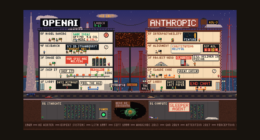
AWS Continuum has integrated with OpenAI Codex and Anthropic Claude Code as part of an AI security push. The reported move may give organizations a shared security layer for two major AI coding tools, although no technical documentation, rollout schedule or customer details were provided.
AWS Continuum has integrated with OpenAI Codex and Anthropic Claude Code in a reported AI security expansion that could help organizations govern two widely used coding tools through a common service. The available report does not specify when the integrations became available or which security functions they support.
The development connects AWS Continuum with AI coding products from OpenAI and Anthropic. The report characterizes the integrations as part of a broader AI security push, but it does not describe the architecture, deployment requirements or exact protections offered to customers.
No accompanying product documentation was available to establish whether Continuum can monitor prompts, inspect generated code, apply access policies, record agent activity or block unsafe actions. It is also unknown whether the integrations operate directly inside Codex and Claude Code, through AWS infrastructure, or through a separate administrative security layer.
The distinction matters because an integration can range from basic event collection to active enforcement. Without documentation, claims about risk detection, policy enforcement, data handling or compliance support would go beyond the confirmed information.
AWS Continuum connects Codex and Claude Code
The reported integration could create a shared security layer across two major AI coding tools—but documentation has yet to establish what Continuum can monitor, enforce or protect.
One connection across two coding environments
AWS Continuum reportedly added integrations with OpenAI Codex and Anthropic Claude Code. For organizations using both, the strategic promise is more consistent oversight across teams, tools and development workflows.
Codex
AI-assisted software work can involve source code, repositories, commands and development environments—raising governance questions beyond ordinary chat use.
Claude Code
A second prominent coding tool expands the oversight surface when different teams adopt different providers under different internal policies.
Common layer
A central connection could reduce fragmented governance, provided it supports meaningful monitoring, policy controls and compatible deployment options.
From coding action to security evidence
The integration’s value depends on how far this chain actually extends. Event collection offers visibility; active enforcement requires deeper permissions, controls and documented data flows.
Agent action
Codex or Claude Code generates, edits, explains or executes development work.
Event capture
Prompts, code changes or activity records may be collected—but this is unconfirmed.
Policy decision
A security layer could assess identity, access, data exposure or unsafe behavior.
Audit or block
The key distinction: recording an event is not the same as stopping an action.
Technical depth
Current reporting confirms the connection, not where it sits on the visibility-to-enforcement spectrum.
Evidence maturity
No disclosed documentation, audits, benchmarks or customer deployments establish security effectiveness.
Confirmed development, unresolved controls
The safe reading is narrow: the integrations are the confirmed signal. Claims about risk detection, compliance support or automated blocking remain beyond the available evidence.
| Area | Current status | What is known | What documentation must answer |
|---|---|---|---|
| Product connections | Confirmed | Codex and Claude Code are named integrations. | Supported versions, environments and setup requirements. |
| Rollout | Unknown | No status is specified. | General availability, preview access, regions and eligibility. |
| Security controls | Unknown | No specific protections are identified. | Prompt monitoring, code inspection, access policies and blocking. |
| Data handling | Unknown | No storage or retention details are disclosed. | Data received, storage location, retention and exclusions. |
| Effectiveness | Unverified | No benchmarks, audits or customer outcomes are cited. | Independent testing and evidence from real deployments. |
Questions security teams should ask next
Architecture, permissions and data practices will determine whether Continuum becomes an active protection layer or primarily a centralized visibility service.
What data crosses the boundary?
Establish whether prompts, source code, credentials, command history or generated outputs leave the coding environment.
Can policies stop actions?
Separate passive logging and alerts from controls that can restrict access or block unsafe agent behavior.
Where is information retained?
Confirm region, encryption, retention periods and options for excluding sensitive code or prompt content.
Which deployments are supported?
Validate Codex and Claude Code configurations, AWS dependencies, pricing, rollout status and customer eligibility.
A meaningful integration with an unmeasured impact
Supporting competing AI coding providers could simplify enterprise oversight. But technical documentation—not the integration announcement alone—will determine whether AWS Continuum delivers centralized visibility, active protection or something in between.
One Layer Across Two Coding Tools
Organizations adopting multiple AI coding products face a fragmented oversight problem. Codex and Claude Code may be used by different teams, in different development environments and under different internal policies. A shared connection through AWS Continuum could give security teams a more consistent view of AI-assisted development activity, if the product supports centralized monitoring and controls.
The integration also points to growing demand for security products that work across competing AI providers. Businesses rarely standardize every team on a single tool, so support for both OpenAI and Anthropic could reduce the need for separate governance systems. That benefit remains conditional on the integrations’ technical depth, availability and compatibility with existing AWS services.
As an affiliate, we earn on qualifying purchases.
AI Coding Expands the Security Surface
AI coding tools can generate, revise and explain software while interacting with development environments. Their expanding role has created new questions around source-code access, credential exposure, generated-code review and records of automated actions.
The reported Continuum integrations place AWS alongside two prominent providers in this market. OpenAI develops Codex, while Anthropic develops Claude Code. The report does not establish whether either AI company jointly developed, certified or separately announced the AWS connections.
As an affiliate, we earn on qualifying purchases.
Rollout and Controls Lack Detail
Several central details remain unknown. There is no disclosed availability date, pricing structure, regional coverage or list of supported AWS environments. The report also does not say whether the integrations are generally available, in preview or limited to selected customers.
The security model is equally unclear. No published information identifies what data Continuum receives from Codex or Claude Code, where that data is stored, how long it is retained or whether customers can exclude sensitive code and prompts. There are also no disclosed benchmarks, audits or customer results supporting the description of the move as a major security push.
Until those points are documented, readers should treat the integration itself as the confirmed development and broader conclusions about security effectiveness or compliance benefits as unverified.
AI development environment security
As an affiliate, we earn on qualifying purchases.
As an affiliate, we earn on qualifying purchases.
Documentation Will Define the Impact
The next meaningful milestone will be the release of technical documentation explaining deployment, permissions, data flows and enforcement capabilities. Pricing, regional access and supported Codex and Claude Code configurations will also determine how broadly customers can use the integrations.
Organizations evaluating the service will need to compare its stated controls with their own code-security policies, access rules and data-retention requirements. Independent testing or customer deployments would provide the first evidence of whether AWS Continuum offers active protection or primarily centralized visibility.
As an affiliate, we earn on qualifying purchases.
Key Questions
What did AWS Continuum add?
AWS Continuum has added integrations with OpenAI Codex and Anthropic Claude Code. The available report links the move to AI security but does not detail the supported functions.
Are the integrations available now?
The rollout status is not disclosed. There is no confirmed general-availability date, preview designation, regional list or customer eligibility information.
What security protections does Continuum provide?
The report does not identify specific protections. Features such as prompt monitoring, code inspection, access enforcement and automated blocking should not be assumed without AWS documentation.
Why does support for both tools matter?
Companies may use Codex and Claude Code across separate teams. A common integration could simplify security oversight, but its value will depend on the controls, data practices and deployment options AWS confirms.
Source: Anthropic
Source: Anthropic
Fall Picks
fall essentials
As an affiliate, we earn on qualifying purchases.