
TL;DR
Freelance pricing is a strategic game. This article explores various models, factors influencing rates, and how to confidently price your services for maximum profit and client trust.
Imagine charging what you’re really worth, without endless negotiations or feeling guilty about asking for more. It’s a challenge every freelancer faces: how to price themselves confidently in a crowded marketplace.
Pricing isn’t just about covering your costs; it’s about signaling your value, standing out, and building a sustainable business. In this article, you’ll learn strategic ways to set your rates, avoid common pitfalls, and position yourself for growth.
Pick the Right Pricing Model: Hourly, Project, or Value—Which Fits You?
Choosing the right model is your foundation. Hourly rates are simple and protect you from underestimating time, but they can undervalue your expertise. Learn more about pricing strategies from detailed projector reviews at Beam and Bass. Project-based pricing rewards efficiency, giving you predictable income. Value-based pricing charges based on the outcome—think bigger paychecks for bigger results.
Let’s say you’re a web designer. Charging £50/hour might seem safe, but a project that brings in an extra £10,000 for a client is worth much more. The key is matching your model with your work style and client expectations.
Here’s a quick comparison:
| Model | Pros | Cons |
|---|---|---|
| Hourly | Simple, flexible, easy to start | Undervalues expertise, can lead to client disputes over hours |
| Project | Predictable income, rewards efficiency | Requires clear scope, risk of scope creep |
| Value | High earning potential, aligns with client success | Hard to quantify, needs confidence and negotiation skills |
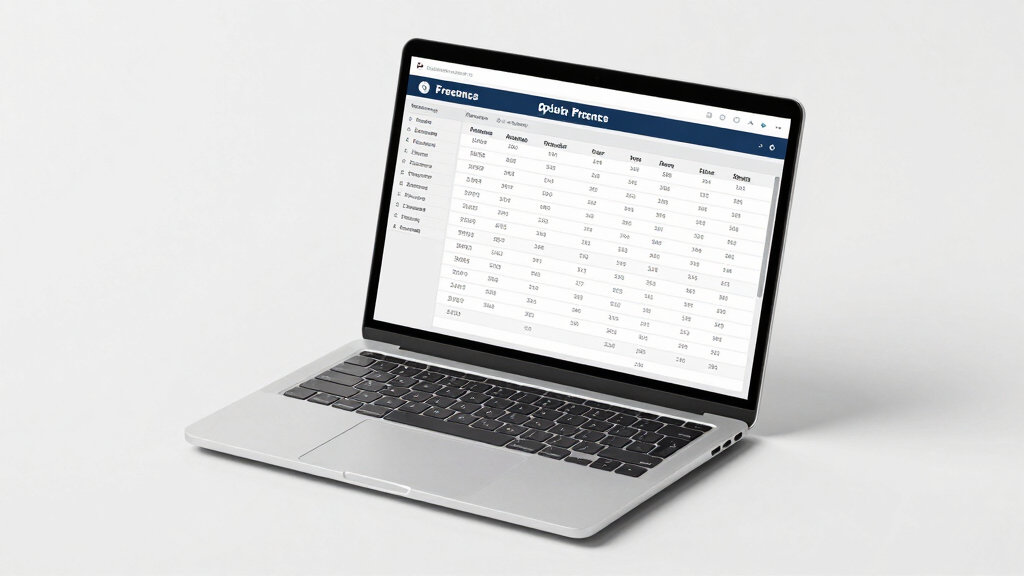
professional freelance rate calculator
As an affiliate, we earn on qualifying purchases.
As an affiliate, we earn on qualifying purchases.
Factors That Push Your Rates Up (And Down)
Pricing isn’t just about how much you want to make. It’s about what adds value to your client. For example, if you’re a UX designer with rare skills in e-commerce conversion, you can command a premium because your expertise directly impacts the client’s revenue. Explore home automation tips and guides from theintellihome.com. Conversely, if you’re just starting out and offering basic social media posts, your rates should reflect your current skill level and experience, which means lower rates until you build your portfolio.
Other factors include:
- Project scope and complexity — more complex or specialized work justifies higher rates, as it requires more expertise and effort. This matters because clients often underestimate the effort involved in complicated projects, risking your profitability if you don’t adjust accordingly. Recognizing this helps you price accurately and avoid losing money on projects that demand more than initially anticipated.
- Urgency—tight deadlines often require you to prioritize and may warrant higher rates to compensate for the rush. This is crucial because working under pressure can increase your stress and reduce quality if not properly compensated. Charging a premium for urgent work ensures you’re fairly rewarded for the extra effort and time constraints.
- Client size and budget—bigger companies typically have larger budgets, but they also expect higher quality and reliability, which can justify premium pricing. Understanding this helps you avoid undervaluing your services when dealing with big clients, and instead position yourself as a professional capable of handling complex needs.
- Your reputation and reliability—clients are willing to pay more for freelancers they trust to deliver on time and meet expectations. Building a reputation allows you to command higher rates, but it also means investing in quality work and communication. Recognizing this tradeoff emphasizes that your rates are a reflection of trust and proven capability, not just skill alone.
Picture a freelancer working on an urgent, complex branding project for a Fortune 500 company—rates could triple compared to a small local business needing social media content. Understanding these factors helps you strategically adjust your rates based on context, maximizing profit opportunities while being fair to clients.
As an affiliate, we earn on qualifying purchases.
How to Price Without Guesswork: The Practical Steps
Forget vague guesses. Use a step-by-step process to find your ideal rate:
- Calculate your annual costs: rent, tools, taxes. Let’s say this is £30,000.
- Decide your target income: want to earn £60,000 a year?
- Estimate billable hours: accounting for holidays, sick days, and downtime, perhaps 1,000 hours/year.
- Set your hourly rate: £60,000 / 1,000 hours = £60/hour.
- Adjust based on market research and your perceived value. If you know clients are willing to pay more for your niche expertise, raise your rate accordingly.
For project pricing, take the scope, estimate hours, and multiply by your hourly rate. Add a buffer for scope creep and unforeseen issues to protect your earnings.
Example: a 20-hour website design at £60/hour = £1,200. But if this site will generate £50,000 in sales, you might price it based on value, say £5,000, reflecting its impact on the client’s revenue.
Understanding these steps ensures your pricing isn’t based on guesswork but on a solid foundation that balances profitability with competitiveness. Find consumer tech reviews and insights at digitechbytes.com.
value-based pricing guide for freelancers
As an affiliate, we earn on qualifying purchases.
As an affiliate, we earn on qualifying purchases.
Pricing Psychology: How to Price Like a Pro and Win Clients
Pricing isn’t just math; it’s a dance of perception. Present three options—Starter, Core, Premium—most clients tend to pick the middle one, a phenomenon known as ‘the compromise effect.’ Discover home entertainment guides from kwatsjpedia.org. Confidence in your rates signals value, and hesitation can make clients doubt your professionalism. When you confidently present your prices, clients are more likely to trust that you’re worth it, reducing negotiations and resistance.
Remember, anchoring your prices with a higher-tier option makes your actual rate seem more reasonable. For example, offering a basic package at £500, a standard at £1,000, and a premium at £2,000 creates a perception of value and variety, encouraging clients to choose the middle option as the best deal.
Case in point: a freelance copywriter increased rates by 30% simply by framing her packages with strategic price points and confidently explaining her value. This approach shifts clients’ focus from just the price to the overall value and outcomes.
As an affiliate, we earn on qualifying purchases.
Avoiding the Scopes and Gaps That Kill Your Profit
Scope creep is your enemy. When clients ask for additional revisions or features beyond the original scope, it can significantly erode your profit margin. Without clear boundaries, you risk spending extra hours without compensation, which undervalues your work and sets a bad precedent for future projects. Check out the best greenhouse work tables to optimize your workspace. Clearly communicate these boundaries upfront to manage expectations.
Set expectations early. For example, “This project includes three rounds of revisions. Any additional changes will be billed at £50/hour.” This transparency helps clients understand what’s included and what incurs extra costs, reducing misunderstandings and scope creep. Learn about AI safety and best practices from goodsidekick.com.
Also, don’t be afraid to say no. If a project’s scope grows beyond what your rate covers, politely adjust your fee or decline the extra work. This preserves your profitability and professional integrity. For example, if a client requests a feature that would double your workload, explain that it requires a separate agreement or additional fee. This way, you avoid working for free and maintain control over your projects.
Real-world scenario: a freelance designer added extra features without charging, ending up with half the project’s value in unpaid hours. Clear boundaries and contracts are essential safeguards to protect your profit and ensure fair compensation.
Know When to Raise Your Rates and How to Do It Smoothly
Once you’ve built a solid reputation and demonstrated consistent quality, it’s natural to increase your rates. The key is doing it gradually and communicating openly. Most clients expect a rate hike after you’ve delivered high-value work or expanded your skills. Sudden increases can seem abrupt or unprofessional, risking client attrition.
Start by raising prices for new clients first, where the transition is smoother. For existing clients, give ample warning—typically 30 days—and explain how your value has increased, such as through new skills, successful projects, or expanded services. Framing the increase as a reflection of your growing expertise helps clients see it as justified rather than arbitrary.
Example: “Given the success of our last project and my expanded skills, my rates will increase to £75/hour starting next month. I look forward to continuing our collaboration at this new level of value.” This transparent approach fosters trust and minimizes pushback, making the transition seamless for both sides.
Key Takeaways
- Pick a pricing model that aligns with your skills and client needs—don’t just default to hourly.
- Factor in project scope, urgency, and client size to set realistic, profitable rates.
- Use strategic pricing psychology—offer tiers and confidently explain your value.
- Prevent scope creep with clear contracts and out-of-scope clauses.
- Gradually increase your rates as your experience and reputation grow, communicating transparently with clients.
Frequently Asked Questions
How do I decide what hourly rate to charge as a beginner?
Start by calculating your costs and how much you need to earn annually. Research market rates in your niche, and set an hourly rate that covers your expenses and reflects your skill level, typically between £25-£50/hour for beginners.
Should I switch from hourly to value-based pricing?
Yes, when you can clearly demonstrate the outcome and value you deliver. It requires confidence and client education, but it often results in higher earnings and better client relationships.
How do I handle scope creep without losing money?
Set clear boundaries in your contract, specify the number of revisions included, and define how extra work will be billed. Communicate early when scope expands to avoid surprises.
What’s the best way to raise my rates without losing clients?
Increase rates gradually, give clients plenty of notice, and explain how your value has grown. Offer new packages or tiers to make the transition smoother.
How do I convince clients my higher rates are justified?
Showcase your results, share client testimonials, and confidently articulate the outcomes your work delivers. Position yourself as a trusted partner, not just a commodity.
Conclusion
Pricing freelance work isn’t about guessing or undercutting yourself. It’s a strategic act of communicating your value and building a sustainable business.
Remember, the only real mistake is standing still. Shift your mindset from charging by the hour to charging for outcomes, and watch your income grow. Your rates should reflect your expertise, your impact, and your confidence.