When choosing camera lenses, the options can feel overwhelming, especially with so many brands and focal lengths to consider. The Canon RF 24-70mm F2.8L IS USM stands out as the best overall for its versatility and professional build quality, while the Sony FE 24-70mm F2.8 GM II offers exceptional sharpness for Sony full-frame shooters. The main tradeoffs involve balancing aperture size, zoom range, and budget—often, wider apertures and specialized focal lengths come with higher prices. Keep reading to see how these lenses stack up and find the best fit for your photography needs.
Key Takeaways
- Zoom lenses with constant apertures, like the Canon RF 24-70mm F2.8L, offer versatile performance but come at a premium price.
- Prime lenses such as the VILTROX AF 75mm F1.8 EVO excel in low-light conditions and achieve superior background blur.
- APS-C camera lenses, like the Tamron 17-70mm f/2.8, provide excellent value for crop sensor users without sacrificing quality.
- Build quality and stabilization features are critical for professional use, but they significantly impact the cost.
- Choosing the right lens depends heavily on your camera system, shooting style, and budget constraints.
| Canon RF 100-400mm F5.6-8 IS USM Telephoto Lens for EOS R Series |  | Best Versatile Telephoto Zoom | Zoom Range: 100-400mm | Maximum Aperture: F5.6-8 | Image Stabilization: Yes, up to 5.5 stops | VIEW LATEST PRICE | See Our Full Breakdown |
| Canon RF 24-105mm f/4L IS USM Zoom Lens for EOS R Series |  | Best for All-Around Versatility | Focal Length: 24-105mm | Maximum Aperture: f/4 | Lens Mount: Canon RF | VIEW LATEST PRICE | See Our Full Breakdown |
| VILTROX AF 75mm F1.8 EVO X Mount Lens for Fujifilm X Mirrorless Cameras |  | Best for Portraits and Beautiful Bokeh | Focal Length: 75mm | Aperture: F1.8 | Minimum Focusing Distance: 0.74m | VIEW LATEST PRICE | See Our Full Breakdown |
| Canon RF 24-70mm F2.8L IS USM Lens for Canon EOS R Series |  | Best Professional Standard Zoom | Focal Length: 24-70mm | Maximum Aperture: f/2.8 | Image Stabilization: Yes, up to 5 stops | VIEW LATEST PRICE | See Our Full Breakdown |
| Canon EF 50mm f/1.8 STM Lens, Black, Compatible with Canon EOS DSLR Cameras |  | Best Budget Prime for Everyday Use | Focal Length: 50mm | Maximum Aperture: f/1.8 | Lens Construction: 6 elements in 5 groups | VIEW LATEST PRICE | See Our Full Breakdown |
| Tamron 17-70mm f/2.8 Di III-A VC RXD Lens for Sony E APS-C Mirrorless Cameras |  | Best Versatile APS-C Zoom for Sony Users | Focal Length: 17-70mm | Maximum Aperture: f/2.8 | Lens Mount: Sony E | VIEW LATEST PRICE | See Our Full Breakdown |
| VILTROX AF 90mm F2.2 EVO E Telephoto Prime Lens |  | Best Budget Portrait Prime with Bright Aperture | Focal Length: 90mm | Maximum Aperture: F2.2 | Minimum Focus Distance: 0.74 meters | VIEW LATEST PRICE | See Our Full Breakdown |
| Sony FE 24-70mm F2.8 GM II Full-Frame Zoom Lens | 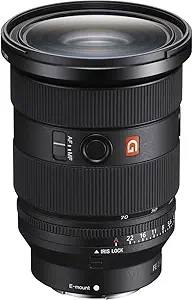 | Best Professional Full-Frame Versatile Zoom | Focal Length: 24-70mm | Maximum Aperture: F2.8 | Weight: 24.6 oz (695 g) | VIEW LATEST PRICE | See Our Full Breakdown |
| camera lense | Maximum Aperture | Focal Length | Image Stabilization | Minimum Focusing Distance |
|---|---|---|---|---|
| Canon RF 100-400mm F5.6-8 IS U | F5.6-8 | — | Yes, up to 5.5 stops | 2.89 feet at 200mm |
| Canon RF 24-105mm f/4L IS USM | f/4 | 24-105mm | Yes | 0.69 ft |
| VILTROX AF 75mm F1.8 EVO X Mou | — | 75mm | — | 0.74m |
| Canon RF 24-70mm F2.8L IS USM | f/2.8 | 24-70mm | Yes, up to 5 stops | 0.69 ft (wide), 1.25 ft (tele) |
| Canon EF 50mm f/1.8 STM Lens | f/1.8 | 50mm | — | — |
| Tamron 17-70mm f/2.8 Di III-A | f/2.8 | 17-70mm | Yes (VC) | — |
| VILTROX AF 90mm F2.2 EVO E Tel | F2.2 | 90mm | — | — |
| Sony FE 24-70mm F2.8 GM II Ful | F2.8 | 24-70mm | — | — |
More Details on Our Top Picks
Canon RF 100-400mm F5.6-8 IS USM Telephoto Lens for EOS R Series
This lens stands out for its combination of compact design and broad 100-400mm zoom range, making it highly adaptable for wildlife, sports, and distant landscape photography. Compared to the more expensive RF 24-105mm f/4L, this lens sacrifices some aperture brightness in exchange for lighter weight and better portability. Its optical image stabilization up to 5.5 stops and fast, quiet Nano USM autofocus help maintain sharp images across varied shooting conditions. However, the aperture range of F5.6-8 limits low-light performance, and the 0.41x magnification may fall short for macro enthusiasts. This pick is ideal for photographers needing a lightweight telephoto for travel or outdoor pursuits who can accept some limitations in close-up work and low-light situations.
Pros:- Compact and lightweight design enhances portability
- Versatile 100-400mm zoom range for multiple scenarios
- Effective image stabilization for sharp results
- Fast, quiet autofocus with Nano USM
Cons:- Aperture range F5.6-8 limits performance in low-light conditions
- Maximum magnification of 0.41x may be insufficient for macro work
Best for: Nature and sports photographers who prioritize portability and zoom flexibility
Not ideal for: Macro shooters or low-light event photographers needing maximum aperture brightness
- Zoom Range:100-400mm
- Maximum Aperture:F5.6-8
- Image Stabilization:Yes, up to 5.5 stops
- Minimum Focusing Distance:2.89 feet at 200mm
- Maximum Magnification:0.41x at 400mm
- Autofocus:Nano USM
Our verdict“This lens is a strong choice for mobile telephoto needs where size and weight matter most, despite some aperture limitations.”
Canon RF 24-105mm f/4L IS USM Zoom Lens for EOS R Series
This lens makes the most of the RF system with a stable f/4 aperture across its 24-105mm zoom, offering reliable performance for everything from portraits to travel shots. Compared with the Canon RF 24-70mm f/2.8L, this lens trades some aperture brightness for a lighter, more manageable size, making it better suited for all-day shooting. Its optical image stabilization and control ring enhance usability, especially for videographers or those who prefer tactile adjustments. The main tradeoff is its higher price and limited compatibility to RF-mount cameras. This lens is best for photographers seeking a versatile, high-quality zoom that balances size and performance who don’t need the fastest aperture for low-light work.
Pros:- Wide zoom range covers most shooting situations
- Constant f/4 aperture ensures consistent exposure
- Effective optical image stabilization for sharper images
- Control ring adds tactile adjustment convenience
Cons:- Premium price point may be a barrier for some
- Limited to Canon RF mount cameras
Best for: Travelers and event photographers wanting a single lens for multiple scenarios
Not ideal for: Low-light shooters or professional portraitists needing faster apertures
- Focal Length:24-105mm
- Maximum Aperture:f/4
- Lens Mount:Canon RF
- Image Stabilization:Yes
- Control Ring:Yes
- Minimum Focusing Distance:0.69 ft
Our verdict“This lens offers excellent versatility for everyday photography, especially when size and weight are considerations.”
VILTROX AF 75mm F1.8 EVO X Mount Lens for Fujifilm X Mirrorless Cameras
This 75mm prime lens excels at capturing stunning portraits with its bright F1.8 aperture, producing creamy backgrounds and sharp subjects. Compared to zooms like the Canon RF 24-105mm, the prime’s superior aperture allows for more creative depth of field and better low-light performance. Its compact, lightweight design makes it ideal for handheld shooting, while the fast autofocus ensures quick capturing of fleeting expressions. On the downside, the fixed focal length limits framing options, and the absence of image stabilization could be a concern for handheld shooting in unstable conditions. This lens is perfect for Fujifilm X users focusing on portraiture or artistic photography, but not for those needing versatile framing or stabilization.
Pros:- Bright F1.8 aperture for shallow depth of field
- Compact and lightweight for easy handling
- Fast, accurate autofocus with STM motor
- High-resolution image quality across the frame
Cons:- Limited to Fujifilm X mount cameras
- No image stabilization included
- Restrictive focal length for some compositions
Best for: Portrait and street photographers using Fujifilm X cameras who prioritize bokeh and low-light ability
Not ideal for: Landscape or macro shooters needing wider focal ranges or stabilization
- Focal Length:75mm
- Aperture:F1.8
- Minimum Focusing Distance:0.74m
- Weight:335g
- Optical Elements:11/9 including 2UD
- Compatibility:Fujifilm X series
Our verdict“This prime lens is a top pick for Fujifilm X portrait work, especially when beautiful bokeh and low-light shooting are priorities.”
Canon RF 24-70mm F2.8L IS USM Lens for Canon EOS R Series
This lens combines high-speed F2.8 aperture with professional-grade optics, making it a favorite for portrait, landscape, and event photographers. Compared to the RF 24-105mm f/4, it offers a faster aperture but at the expense of increased weight and size, which could be a concern for all-day handheld shooting. Its optical image stabilization and Nano USM autofocus deliver reliable, sharp results in dynamic situations. The main drawback is its price and heavier weight, which might deter casual users or those seeking a more portable kit. This lens is best suited for professionals or serious enthusiasts who need maximum speed and image quality in a versatile zoom.
Pros:- Bright F2.8 aperture for excellent low-light performance
- High-quality optics for sharp, detailed images
- Effective image stabilization for handheld shots
- Fast, quiet autofocus
Cons:- Heavy and bulky for extended carry
- High price point
Best for: Professional photographers and serious amateurs needing a fast, versatile zoom for various genres
Not ideal for: Travelers or casual shooters who prefer lightweight, compact gear
- Focal Length:24-70mm
- Maximum Aperture:f/2.8
- Image Stabilization:Yes, up to 5 stops
- Autofocus:Nano USM
- Minimum Focusing Distance:0.69 ft (wide), 1.25 ft (tele)
Our verdict“This lens is a powerful tool for professionals demanding fast apertures and superb image quality, despite its size and cost.”
Canon EF 50mm f/1.8 STM Lens, Black, Compatible with Canon EOS DSLR Cameras
This 50mm prime lens remains a favorite for its excellent image quality and affordability, offering a bright f/1.8 aperture ideal for low-light and portrait photography. Compared to zoom lenses like the Tamron 17-70mm f/2.8, this fixed focal length emphasizes image sharpness and bokeh but limits framing flexibility. Its compact, lightweight design makes it perfect for everyday carry, and the near-silent STM autofocus benefits both stills and video. The main tradeoff is its fixed focal length, which restricts framing options, and the build quality, while improved, is less rugged than professional-grade lenses. This lens is best for beginners or casual shooters who want quality at a low price.
Pros:- Bright f/1.8 aperture for excellent low-light shots
- Near-silent STM autofocus for smooth video
- Compact and lightweight for everyday carry
- Good image quality with minimized ghosting and flare
Cons:- Fixed focal length limits framing flexibility
- Build quality less durable compared to higher-end lenses
- Aperture of f/1.8 may not produce the ultra-shallow depth of field some expect
Best for: Beginners and hobbyists seeking an affordable, high-quality low-light lens
Not ideal for: Event photographers or videographers requiring zoom or rugged build
- Focal Length:50mm
- Maximum Aperture:f/1.8
- Lens Construction:6 elements in 5 groups
- Closest Focusing Distance:1.15 ft
- Filter Size:49mm
- Weight:159g
Our verdict“A highly affordable lens that delivers impressive image quality for casual and entry-level photographers needing good low-light capability.”
Tamron 17-70mm f/2.8 Di III-A VC RXD Lens for Sony E APS-C Mirrorless Cameras
This Tamron lens stands out for offering a high-speed f/2.8 aperture combined with a versatile 17-70mm zoom range, making it an excellent all-in-one option for Sony APS-C mirrorless photographers. Compared to the Sony FE 24-70mm F2.8 GM II, it provides a more affordable and lightweight solution, though it sacrifices some edge-to-edge sharpness at the wider end. Its optical design includes two GM elements and a hybrid aspherical element, which enhances detail and minimizes distortions—ideal for both stills and video. The moisture-resistant construction adds durability in challenging conditions, but its focus is limited to Sony E APS-C bodies, which could restrict upgrades. This pick makes the most sense for serious enthusiasts or hybrid shooters looking for a flexible lens without the premium price tag of full-frame options.
Pros:- High-speed f/2.8 aperture suitable for low-light and creative depth of field
- Effective vibration compensation for sharper handheld shots
- Advanced optical elements for excellent image quality
- Moisture-resistant build enhances durability in outdoor environments
Cons:- Limited to Sony E APS-C cameras, restricting compatibility
- Higher price point due to advanced features, compared to kit lenses
Best for: Sony APS-C mirrorless photographers who need a versatile, high-quality zoom for everyday and travel use.
Not ideal for: Full-frame Sony users seeking the sharpness and build quality of a dedicated professional lens, or those who shoot in extreme weather conditions regularly.
- Focal Length:17-70mm
- Maximum Aperture:f/2.8
- Lens Mount:Sony E
- Compatible Camera Type:APS-C Mirrorless
- Zoom Ratio:4.1x
- Optical Elements:16 elements in 12 groups
- Image Stabilization:Yes (VC)
Our verdict“This lens is best for Sony APS-C shooters who want a versatile, bright zoom with weather resistance, accepting some limitations in compatibility and price.”
VILTROX AF 90mm F2.2 EVO E Telephoto Prime Lens
The VILTROX AF 90mm F2.2 EVO makes a compelling choice for portrait photographers on a budget, offering a classic focal length and a bright F2.2 aperture that produces beautiful background blur. Unlike the Sony FE 24-70mm F2.8 GM II, which covers a broader zoom range and offers more versatility, this prime is specialized for creating stunning portraits with a shallow depth of field. Its lightweight all-metal construction and fast STM autofocus motor ensure durability and smooth operation, especially for handheld shooting and videos. However, its fixed focal length limits flexibility, and the lack of image stabilization means it’s less suited for handheld shooting in low light without a tripod. This lens is ideal for portrait enthusiasts who prioritize image quality and portability over zoom versatility.
Pros:- Bright F2.2 aperture ideal for low-light and shallow depth of field
- Lightweight and durable all-metal design
- Fast, smooth autofocus with STM stepping motor
- Great for portraiture with natural background blur
Cons:- Limited to portrait and close-up photography, lacks zoom range
- No image stabilization, which can complicate handheld low-light shooting
Best for: Portrait photographers seeking a lightweight, affordable prime lens with excellent bokeh and fast autofocus.
Not ideal for: Photographers needing a versatile zoom for different subjects or working in low-light conditions without tripod support.
- Focal Length:90mm
- Maximum Aperture:F2.2
- Minimum Focus Distance:0.74 meters
- Weight:330 grams
- Dimensions:Φ69mm × 76mm
- Focus Motor:STM stepping motor
Our verdict“This lens is perfect for portrait shooters who want a lightweight, affordable prime with excellent background separation and quick autofocus.”
Sony FE 24-70mm F2.8 GM II Full-Frame Zoom Lens
This Sony FE 24-70mm F2.8 GM II clearly aims at professionals and advanced enthusiasts demanding top-tier image quality in a compact package. Compared with the Tamron 17-70mm, it offers a wider zoom range and is optimized for full-frame sensors, which translates into superior edge-to-edge sharpness and more refined bokeh. Its lightweight design, at just under 700 grams, makes it suitable for all-day shooting, while Sony’s latest XD Linear Motors ensure fast, silent autofocus—crucial for video work. The inclusion of two XA and two ED elements reflects its focus on minimizing aberrations and maximizing resolution. The premium price, however, might deter casual users, and manual zoom can be less intuitive for some. Overall, this lens is ideal for professionals seeking a reliable, high-performance zoom for a variety of shooting scenarios.
Pros:- Exceptional resolution and beautiful bokeh with advanced optical design
- Lightweight, compact form ideal for all-day use
- Fast, quiet autofocus for both stills and video
- Versatile zoom range suitable for numerous genres
Cons:- Premium price may be prohibitive for some users
- Manual zoom operation can be less convenient for quick framing adjustments
Best for: Professional photographers and videographers who require a versatile, high-quality zoom for full-frame Sony cameras.
Not ideal for: Budget-conscious hobbyists or those preferring a more lightweight, less expensive lens for casual shooting.
- Focal Length:24-70mm
- Maximum Aperture:F2.8
- Weight:24.6 oz (695 g)
- Lens Elements:2 XA, 2 ED, 2 Super ED
- Compatibility:Full-frame, APS-C
- Video Capabilities:Up to 4K 120p
Our verdict“This lens is best suited for professionals seeking top-tier image quality and reliable performance from a versatile zoom in a compact design.”

How We Picked
Our evaluation focused on performance, build quality, versatility, and value. We prioritized lenses that perform well across different scenarios—portraits, landscapes, and action. Ease of use, autofocus speed, and image stabilization were key factors, especially for photographers who shoot handheld or need quick results. Price was also a consideration, with a balance struck between premium features and affordability. Each lens was selected to highlight different user needs, from beginners to professionals, ensuring a comprehensive lineup that addresses common tradeoffs like aperture size versus cost.| camera lense | Maximum Aperture | Image Stabilization |
|---|---|---|
| Canon RF 100-400mm F5.6-8 IS U | F5.6-8 | Yes, up to 5.5 stops |
| Canon RF 24-105mm f/4L IS USM | f/4 | Yes |
| VILTROX AF 75mm F1.8 EVO X Mou | — | — |
| Canon RF 24-70mm F2.8L IS USM | f/2.8 | Yes, up to 5 stops |
| Canon EF 50mm f/1.8 STM Lens | f/1.8 | — |
| Tamron 17-70mm f/2.8 Di III-A | f/2.8 | Yes (VC) |
| VILTROX AF 90mm F2.2 EVO E Tel | F2.2 | — |
| Sony FE 24-70mm F2.8 GM II Ful | F2.8 | — |
Factors to Consider When Choosing Camera Lenses
Choosing the right camera lens involves more than just brand names and focal lengths. Here are key factors to consider that can impact your shooting experience and image quality: Each element helps you match a lens to your specific needs, avoiding costly mistakes and ensuring your gear works for your style.Focal Length and Shooting Style
The focal length determines your framing and perspective. Wide-angle lenses (like 16-35mm) are great for landscapes and architecture, while telephoto lenses (above 70mm) excel in wildlife and sports photography. Prime lenses with fixed focal lengths often provide sharper images and larger apertures, ideal for portraits or low-light conditions. Understanding your typical subjects ensures you pick a lens that complements your photography style, reducing the temptation to buy multiple lenses you won’t use often.
Aperture and Light Gathering
A larger maximum aperture (smaller f-number) allows more light in, making it easier to shoot in low-light situations and achieve a shallow depth of field. However, lenses with wider apertures tend to be more expensive and bulkier. If you’re primarily shooting outdoors in daylight, a smaller aperture (like f/4 or f/5.6) might suffice, saving money. Consider your typical shooting conditions and whether you need the creative control that comes with a wide aperture.
Compatibility and System Ecosystem
Not all lenses work with every camera system. Compatibility isn’t just about mount type but also about sensor size—full-frame vs. crop sensors—affecting the effective focal length and field of view. Investing in a lens compatible with your camera ensures autofocus, stabilization, and other features function correctly. For example, choosing a lens designed for mirrorless systems will typically result in a more compact, lighter setup, which benefits portability.
Build Quality and Durability
If you plan to shoot outdoors or in challenging environments, a weather-sealed lens can be worth the extra cost. Durable construction protects against dust, moisture, and rough handling. Conversely, indoor or studio shooters might prioritize weight savings and optical quality over ruggedness. Remember, higher build quality often correlates with longer-lasting performance, but it also raises the price—balancing these factors depends on your shooting conditions.
Cost and Value
Price differences reflect optical quality, build, and features like image stabilization. While premium lenses offer superior performance, budget options can still deliver excellent results, especially on crop sensor cameras. Consider whether investing in a more expensive lens will genuinely improve your images or if a more affordable model suffices. Sometimes, a mid-range lens provides the best value, especially for hobbyists or those just starting out.
Frequently Asked Questions
Should I buy a zoom or prime lens?
Choosing between zoom and prime lenses depends on your shooting style. Zoom lenses provide versatility, allowing you to change focal lengths quickly without swapping lenses—ideal for events or travel. Prime lenses, however, often deliver sharper images and larger apertures, making them better suited for portraits and low-light photography. If you value flexibility, a zoom makes sense; if you prioritize image quality and creative effects, a prime could be a better investment.
Is a wider aperture always better?
While wider apertures (like f/1.4 or f/2.8) enable better low-light performance and create a pleasing background blur, they also come with higher costs and larger sizes. For many photographers, especially beginners, a lens with a moderate aperture like f/2.8 or f/4 offers a good balance of performance and affordability. Consider your typical lighting conditions and creative needs before opting for the widest available aperture.
Do I need stabilization in my lens?
Image stabilization can significantly improve handheld shooting, especially in low-light conditions or when using telephoto lenses. If you shoot a lot in such scenarios, choosing a lens with stabilization is worthwhile despite the extra cost. However, many modern cameras have in-body stabilization, which can sometimes reduce the necessity for stabilization in the lens itself. Evaluate your typical shooting environment to decide whether this feature justifies the additional expense.
How important is weather sealing?
Weather sealing protects your lens from dust, moisture, and light rain, making it essential for outdoor and landscape photographers. While it adds to the cost, it can extend the lifespan of your gear and prevent costly repairs. If you primarily shoot indoors or in controlled environments, weather sealing may be less critical. For adventurous shooting in unpredictable weather, investing in a sealed lens can be a wise decision.
When should I consider a higher-priced lens?
Higher-priced lenses often offer superior optical quality, durability, and advanced features like fast autofocus and stabilization. If you’re a professional or serious hobbyist, investing in premium optics can noticeably improve your images and reduce editing time. However, for casual shooting or beginners, mid-range lenses often provide excellent results without breaking the bank. The decision hinges on your specific needs, budget, and how much you rely on top-tier image quality.
Conclusion
For casual shooters or beginners, the Canon RF 24-105mm f/4L IS USM offers versatility and reliable performance at a reasonable price. Professional photographers seeking the best image quality and durability should consider the Sony FE 24-70mm F2.8 GM II or Canon RF 24-70mm F2.8L for their excellent optical performance. Those on a budget or with crop sensors might favor the Tamron 17-70mm f/2.8 or VILTROX 75mm F1.8 for value and specialized needs. Ultimately, your choice depends on your camera system, preferred subjects, and how much you’re willing to invest in your gear.