

Choosing the right camera lenses can feel overwhelming given the sheer volume of options available for mirrorless and DSLR systems. The Canon RF 24-70mm f/2.8 L IS USM stands out as the best overall choice for Canon users, offering unmatched versatility and optical brilliance for professional work. For Sony shooters, the Sony FE 24-70mm F2.8 GM II provides a lighter, faster alternative that excels in hybrid video and stills. Buyers must balance optical performance against portability and budget, as premium glass often sacrifices compactness for speed. Continue reading to see how these ten picks compare across key categories like value, telephoto reach, and beginner accessibility.

Get business pricing on tech for your team
- Business-only prices and quantity discounts
- Tax-exempt purchasing
- Multiple users, one account, clear invoices
Key Takeaways
- The Canon RF 24-70mm f/2.8 remains the gold standard for Canon mirrorless users, though the newer RF 28-70mm f/2.8 IS STM offers a more affordable entry into fast zooms.
- Sony’s FE 24-70mm F2.8 GM II significantly outperforms its predecessor in weight and autofocus speed, making it the superior choice for hybrid creators.
- Third-party options like the Tamron 17-70mm f/2.8 provide exceptional value for APS-C users, rivaling native lenses at half the price.
- Entry-level primes like the Canon RF 50mm f/1.8 and EF 50mm f/1.8 remain the most effective way to improve low-light performance without breaking the bank.
- Super-telephoto zooms like the Canon RF 200-800mm have become surprisingly accessible, allowing wildlife enthusiasts to enter the category without buying prime lenses.
| Canon RF 24-70mm f/2.8 L IS USM Lens |  | Best Overall Standard Zoom | Focal Length: 24-70mm | Maximum Aperture: f/2.8 | Mount: Canon RF | VIEW LATEST PRICE | See Our Full Breakdown |
| Canon RF200-800mm F6.3-9 IS USM Super-Telephoto Zoom Lens |  | Best Super-Telephoto for Wildlife | Focal Length: 200-800mm | Maximum Aperture: f/6.3-9 | Mount: Canon RF | VIEW LATEST PRICE | See Our Full Breakdown |
| Canon RF 28-70mm f/2.8 IS STM Lens – Black |  | Best Value Standard Zoom | Focal Length: 28-70mm | Maximum Aperture: f/2.8 | Mount: Canon RF | VIEW LATEST PRICE | See Our Full Breakdown |
| Sony FE 24-70mm F2.8 GM II Full-Frame Zoom Lens | 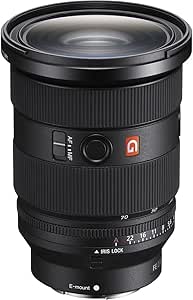 | Best Premium Zoom for Sony Users | Focal Length: 24-70mm | Maximum Aperture: f/2.8 | Mount: Sony E | VIEW LATEST PRICE | See Our Full Breakdown |
| Canon EF 50mm f/1.8 STM Lens (Black) |  | Best Entry-Level Prime | Focal Length: 50mm | Maximum Aperture: f/1.8 | Mount: Canon EF | VIEW LATEST PRICE | See Our Full Breakdown |
| Canon RF 75-300mm f/4-5.6 IS STM Telephoto Zoom Lens |  | Best Budget Telephoto for Beginners | Focal Length: 75-300mm | Maximum Aperture: f/4-5.6 | Lens Mount: Canon RF | VIEW LATEST PRICE | See Our Full Breakdown |
| Tamron 17-70mm f/2.8 Di III-A VC RXD Lens for Sony E APS-C Cameras |  | Best All-Rounder for Sony APS-C | Focal Length: 17-70mm | Maximum Aperture: f/2.8 | Lens Mount: Sony E (APS-C) | VIEW LATEST PRICE | See Our Full Breakdown |
| Canon RF 24-105mm f/4L IS USM Lens |  | Best Versatile Workhorse | Focal Length: 24-105mm | Maximum Aperture: f/4 | Image Stabilization: Up to 5 stops | VIEW LATEST PRICE | See Our Full Breakdown |
| Canon RF 100-400mm F5.6-8 IS USM Telephoto Zoom Lens |  | Best Compact Super-Telephoto | Focal Length: 100-400mm | Maximum Aperture: f/5.6-8 | Image Stabilization: Up to 6 stops (with IBIS) | VIEW LATEST PRICE | See Our Full Breakdown |
| Canon RF 50mm f/1.8 STM Lens |  | Best Entry-Level Prime | Focal Length: 50mm | Maximum Aperture: f/1.8 | Lens Type: Prime | VIEW LATEST PRICE | See Our Full Breakdown |
| camera lense | Focal Length | Maximum Aperture | Image Stabilization | Mount |
|---|---|---|---|---|
| Canon RF 24-70mm f/2.8 L IS US | 24-70mm | f/2.8 | Optical, up to 5 stops | Canon RF |
| Canon RF200-800mm F6.3-9 IS US | 200-800mm | f/6.3-9 | Optical, up to 5.5 stops | Canon RF |
| Canon RF 28-70mm f/2.8 IS STM | 28-70mm | f/2.8 | Optical (IS) | Canon RF |
| Sony FE 24-70mm F2.8 GM II Ful | 24-70mm | f/2.8 | — | Sony E |
| Canon EF 50mm f/1.8 STM Lens | 50mm | f/1.8 | — | Canon EF |
| Canon RF 75-300mm f/4-5.6 IS S | 75-300mm | f/4-5.6 | None | — |
| Tamron 17-70mm f/2.8 Di III-A | 17-70mm | f/2.8 | Optical (VC) | — |
| Canon RF 24-105mm f/4L IS USM | 24-105mm | f/4 | Up to 5 stops | — |
| Canon RF 100-400mm F5.6-8 IS U | 100-400mm | f/5.6-8 | Up to 6 stops (with IBIS) | — |
| Canon RF 50mm f/1.8 STM Lens | 50mm | f/1.8 | — | — |
More Details on Our Top Picks
Canon RF 24-70mm f/2.8 L IS USM Lens
This lens represents the benchmark for professional Canon shooters who refuse to compromise on build quality or optical performance. The inclusion of optical image stabilization sets it apart from many competitors, allowing for handheld shooting in lower light without a tripod. When compared to the Canon RF 28-70mm f/2.8 IS STM, this L-series model offers superior weather sealing and a more robust construction, justifying its position as the primary workhorse for demanding environments. The Nano USM autofocus ensures silent, smooth transitions that are critical for video work, a feature often lacking in budget alternatives. However, the RF mount limitation means it is useless for DSLR users without an adapter, and its size can be cumbersome for travel photographers seeking minimal gear weight.
Pros:- Bright f/2.8 aperture across the entire zoom range
- Up to 5 stops of optical image stabilization
- Fast, silent Nano USM autofocus ideal for video
- Robust dust- and weather-resistant construction
Cons:- Compatible only with Canon RF mount cameras
- Heavier and larger than non-L alternatives
- Premium price point limits accessibility
Best for: Professional photographers and videographers using Canon R-series cameras who need a durable, stabilized, high-performance standard zoom for weddings and events.
Not ideal for: Hobbyists or travel photographers on a tight budget who do not require L-series durability or advanced stabilization features.
- Focal Length:24-70mm
- Maximum Aperture:f/2.8
- Mount:Canon RF
- Image Stabilization:Optical, up to 5 stops
- Autofocus Motor:Nano USM
- Construction:Dust- and weather-resistant
- Diaphragm Blades:9
- Coatings:Air Sphere and fluorine
Our verdict“Choose this lens if you need the definitive standard zoom for your Canon R-system camera and prioritize reliability and stabilization over size.”
Canon RF200-800mm F6.3-9 IS USM Super-Telephoto Zoom Lens
This lens redefines accessibility in super-telephoto photography by offering a massive 200-800mm range in a relatively portable package. Unlike the Canon RF 100-400mm F5.6-8 IS USM, which stops at 400mm, this model doubles your reach, making it ideal for distant wildlife or sports action. The optical image stabilization is rated for up to 5.5 stops, which is essential when shooting handheld at extreme focal lengths where even slight movement causes blur. While the variable aperture of f/6.3-9 is slower than many primes, it is a necessary tradeoff to keep the lens under 4.5 pounds. This makes it a viable option for hikers and travelers who cannot carry the weight of traditional large telephoto lenses.
Pros:- Extensive 200-800mm zoom range covers distant subjects
- Relatively lightweight for a super-telephoto lens
- Strong optical stabilization aids handheld shooting
- Compatible with RF extenders for even longer reach
Cons:- Slow maximum aperture limits low-light performance
- Variable aperture can complicate exposure settings
- Optical quality may soften at the longest focal lengths
Best for: Wildlife and sports photographers who need extreme reach but prioritize portability and handheld usability over fast apertures.
Not ideal for: Photographers working in very low-light conditions or those who require shallow depth of field, as the f/6.3-9 aperture is quite slow.
- Focal Length:200-800mm
- Maximum Aperture:f/6.3-9
- Mount:Canon RF
- Image Stabilization:Optical, up to 5.5 stops
- Weight:About 4.5 lbs
- Zoom Ratio:4:1
- Diaphragm Blades:9
- Extender Compatibility:RF1.4x and RF2x
Our verdict“This is the go-to choice for Canon users who want to get close to distant subjects without lugging around heavy, bulky telephoto gear.”
Canon RF 28-70mm f/2.8 IS STM Lens – Black
For photographers who want a constant f/2.8 aperture without the bulk or cost of L-series glass, this lens is a compelling option. It weighs approximately 1 lb, making it significantly lighter than the Canon RF 24-70mm f/2.8 L IS USM, which appeals to travel and street photographers who prioritize mobility. The inclusion of optical image stabilization in such a compact package is a standout feature, allowing for sharper handheld shots in dim environments. While the weather resistance is noted as comparable to L-series, the lack of professional-grade sealing means it requires more care in harsh conditions. The STM autofocus is quiet and smooth, though it may not track fast-moving subjects as aggressively as the Nano USM found in premium models.
Pros:- Constant f/2.8 aperture in a lightweight body
- Built-in optical image stabilization for handheld use
- Compact size ideal for travel and daily carry
- Weather-resistant construction offers some protection
Cons:- Limited wide-angle reach compared to 24-70mm lenses
- Plastic construction feels less premium than L-series
- STM motor may lag behind USM in high-speed tracking
Best for: Travel and everyday photographers who want a bright, stabilized zoom lens that is easy to carry and affordable.
Not ideal for: Professional event photographers who need rugged build quality and the fastest possible autofocus tracking for action.
- Focal Length:28-70mm
- Maximum Aperture:f/2.8
- Mount:Canon RF
- Image Stabilization:Optical (IS)
- Weight:~1 lb
- Weather Resistance:Water Resistant
- Zoom Ratio:2.5:1
- Minimum Focus Distance:7 cm
Our verdict“This lens offers the best balance of size, weight, and performance for Canon users who value portability over professional durability.”
Sony FE 24-70mm F2.8 GM II Full-Frame Zoom Lens
This lens is a technical marvel for Sony E-mount shooters, delivering exceptional resolution and minimal distortion across the zoom range. Weighing just 695g, it is one of the lightest f/2.8 standard zooms available, surpassing the portability of many DSLR-era equivalents and competing well with the Canon RF 28-70mm f/2.8 IS STM in terms of weight. The four XD Linear Motors provide lightning-fast, silent autofocus, which is critical for the high-speed continuous shooting capabilities of modern Sony bodies. However, the lack of weather sealing is a significant drawback for outdoor photographers who frequently shoot in rain or dust. Despite this, the advanced optical design ensures sharpness from corner to corner, making it a favorite for landscape and architectural work where detail is paramount.
Pros:- Extremely lightweight for a professional-grade zoom
- Superior resolution and bokeh quality
- Fast, silent autofocus with four XD Linear Motors
- Minimal focus breathing for smooth video transitions
Cons:- No weather sealing limits outdoor reliability
- Higher price point reflects premium G Master branding
- Requires Sony E-mount cameras for full compatibility
Best for: Sony Alpha users who demand top-tier optical quality and fast autofocus for professional stills and 4K video work.
Not ideal for: Photographers who regularly shoot in harsh weather conditions and require fully sealed, ruggedized equipment.
- Focal Length:24-70mm
- Maximum Aperture:f/2.8
- Mount:Sony E
- Weight:695 g
- Autofocus Motors:4 XD Linear Motors
- Diaphragm Blades:11
- Coatings:Fluorine and Nano AR
- Water Resistance:Not water resistant
Our verdict“Select this lens if you need the highest possible image quality and speed for your Sony system and can manage the lack of weather protection.”
Canon EF 50mm f/1.8 STM Lens (Black)
The Canon EF 50mm f/1.8 STM remains the definitive first lens for anyone entering the world of DSLR photography. Its f/1.8 aperture allows for stunning low-light performance and creamy background blur, a dramatic improvement over standard kit lenses. While it lacks the optical image stabilization found in zooms like the Canon RF 24-70mm f/2.8 L IS USM, the bright aperture often compensates by allowing faster shutter speeds. The STM autofocus motor provides smooth, quiet focusing that is surprisingly capable for video, despite the plastic construction feeling somewhat toy-like. This lens is not about ruggedness; it is about unlocking creative potential with minimal financial risk, serving as a perfect companion for beginners learning manual controls and composition.
Pros:- Bright f/1.8 aperture for low-light and bokeh
- Extremely lightweight and compact
- Quiet STM autofocus suitable for basic video
- Highly affordable entry into prime lens photography
Cons:- No optical image stabilization
- Plastic build feels less durable than metal lenses
- Limited to Canon EF mount cameras
Best for: Beginners and hobbyists using Canon DSLRs who want to improve image quality and learn about aperture without a large investment.
Not ideal for: Professional photographers who need durable, weather-sealed gear or those requiring image stabilization for handheld video.
- Focal Length:50mm
- Maximum Aperture:f/1.8
- Mount:Canon EF
- Weight:5.6 oz (159 g)
- Focus Type:STM Motor
- Minimum Focus Distance:0.35 m
- Filter Size:49mm
- Construction:6 elements in 5 groups
Our verdict“This is the essential upgrade for any Canon DSLR owner looking to escape the limitations of a kit lens and explore creative depth of field.”
Canon RF 75-300mm f/4-5.6 IS STM Telephoto Zoom Lens
This lens is ideal for entry-level wildlife and sports shooters who need reach without breaking the bank. Compared to the Canon RF 100-400mm, it offers a wider starting angle, making it easier to track fast-moving subjects, though it lacks the 400mm extreme reach. The STM autofocus is quiet enough for video, a distinct advantage over older DSLR-era telephotos. However, the variable f/4-5.6 aperture means shutter speeds must rise significantly at 300mm, limiting indoor sports capability. It is a solid stepping stone before investing in heavier, faster glass.
Pros:- Affordable entry into telephoto photography
- Quiet STM motor suitable for video recording
- Lightweight design reduces fatigue during long shoots
- Wide 75mm start allows for environmental portraits and tighter framing
Cons:- No image stabilization, requiring high shutter speeds
- Slow variable aperture limits low-light performance
- Plastic construction lacks weather sealing
Best for: Hobbyists and beginners who want to try wildlife or sports photography with Canon EOS R cameras without heavy investment.
Not ideal for: Professional sports shooters or low-light event photographers who require a fast constant aperture and rugged weather sealing.
- Focal Length:75-300mm
- Maximum Aperture:f/4-5.6
- Lens Mount:Canon RF
- Focus Motor:STM
- Image Stabilization:None
- Diaphragm Blades:7
- Compatibility:EOS R Series Mirrorless
Our verdict“This lens is the perfect gateway drug for Canon mirrorless users wanting to zoom in on distant subjects.”
Tamron 17-70mm f/2.8 Di III-A VC RXD Lens for Sony E APS-C Cameras
For Sony APS-C users, this lens offers a compelling balance of speed and range. Unlike the Canon RF 24-105mm which is full-frame and slower at f/4, this Tamron delivers a constant f/2.8 aperture in a more compact package suited for crop sensors. The built-in optical stabilization is a key differentiator, helping handheld video shooters maintain smooth footage without a gimbal. While it lacks the extreme telephoto reach of dedicated zooms, its close-focusing capability adds versatility for detail shots that many standard zooms cannot achieve.
Pros:- Constant f/2.8 aperture allows for shallow depth of field and low-light shooting
- Built-in Vibration Compensation (VC) aids handheld stability
- Moisture-resistant construction and fluorine coating protect against elements
- Excellent close-focusing distance for semi-macro capabilities
Cons:- Limited to Sony E-mount APS-C cameras only
- Zoom range ends at 70mm, insufficient for distant wildlife
- Autofocus tracking can lag behind native Sony GM lenses
Best for: Sony APS-C mirrorless users who want a single, fast, stabilized zoom lens for travel and everyday shooting.
Not ideal for: Full-frame Sony shooters or those who need extreme telephoto reach beyond 70mm.
- Focal Length:17-70mm
- Maximum Aperture:f/2.8
- Lens Mount:Sony E (APS-C)
- Image Stabilization:Optical (VC)
- Focus Motor:RXD
- Filter Size:67mm
- Weather Sealing:Moisture-resistant
Our verdict“This is the most practical single-lens solution for Sony APS-C enthusiasts who value speed and stabilization.”
Canon RF 24-105mm f/4L IS USM Lens
This lens is the definition of a do-it-all zoom for Canon RF shooters. It covers wide-angle to short telephoto, making it superior to the Canon RF 50mm f/1.8 for events where framing flexibility is critical. The five-stop image stabilization is a standout feature, allowing for handheld shots in conditions where you would otherwise need a tripod. While it lacks the constant f/2.8 aperture of premium L-series zooms, its build quality and Nano USM autofocus make it a reliable companion for weddings, travel, and documentary work where speed trumps ultimate low-light capability.
Pros:- Extremely versatile 24-105mm focal range
- Powerful 5-stop optical image stabilization
- Fast and silent Nano USM autofocus
- Dedicated control ring for intuitive aperture/shutter adjustments
Cons:- Lacks weather sealing found on higher-end L lenses
- Heavier and bulkier than prime lenses
- f/4 aperture is slower than f/2.8 alternatives for low light
Best for: Travel and event photographers who need one reliable, stabilized lens that covers most focal lengths.
Not ideal for: Studio portrait artists or low-light specialists who require the creamy bokeh and speed of an f/2.8 lens.
- Focal Length:24-105mm
- Maximum Aperture:f/4
- Image Stabilization:Up to 5 stops
- Focus Motor:Nano USM
- Lens Mount:Canon RF
- Weight:1.5 pounds
- Filter Size:77mm
Our verdict“This lens is the smart choice for Canon mirrorless users who prioritize versatility and stabilization over maximum aperture speed.”
Canon RF 100-400mm F5.6-8 IS USM Telephoto Zoom Lens
Unlike the Canon RF 75-300mm, this lens pushes the reach to a serious 400mm while remaining surprisingly portable. The optical image stabilization is its trump card, offering up to 6 stops of correction when paired with IBIS bodies, which is critical for handheld telephoto work. The variable f/5.6-8 aperture is its main compromise, demanding ample light or high ISOs. However, its compatibility with RF tele extenders allows for 800mm reach, making it a flexible tool for safari and birding enthusiasts who refuse to carry heavy professional gear.
Pros:- Excellent 100-400mm reach in a lightweight package
- Superior image stabilization (up to 6 stops with IBIS)
- Compatible with RF1.4x and RF2x extenders for 800mm reach
- Smooth Nano USM autofocus for tracking subjects
Cons:- Very slow maximum aperture (f/8 at 400mm)
- Not weather-sealed for harsh outdoor environments
- Requires good lighting for sharp results
Best for: Wildlife and bird photographers who need long reach and portability without carrying professional-grade super-telephotos.
Not ideal for: Sports photographers shooting indoors or at dusk, as the slow aperture will struggle with shutter speeds.
- Focal Length:100-400mm
- Maximum Aperture:f/5.6-8
- Image Stabilization:Up to 6 stops (with IBIS)
- Focus Motor:Nano USM
- Tele Extender Compatibility:RF1.4x, RF2x
- Minimum Focus Distance:2.89 feet
- Lens Mount:Canon RF
Our verdict“This lens is the best value for reaching distant subjects on Canon mirrorless cameras without sacrificing portability.”
Canon RF 50mm f/1.8 STM Lens
This lens is the essential upgrade for any Canon mirrorless user starting with a kit zoom. Unlike the Canon RF 24-105mm, its f/1.8 aperture allows for true low-light shooting and subject isolation that zooms simply cannot match. The STM motor ensures quiet focus pulls for video, making it a hybrid favorite. While the fixed 50mm focal length requires you to zoom with your feet, the optical quality and light-gathering ability make it indispensable for portraits and street photography. It is small, sharp, and removes the technical barriers to creative shooting.
Pros:- Large f/1.8 aperture for low light and background blur
- Extremely compact and lightweight for everyday carry
- Quiet STM autofocus ideal for video and stealth shooting
- Affordable price point for high optical quality
Cons:- Fixed focal length limits compositional flexibility
- No image stabilization (relies on camera IBIS)
- Plastic mount and build feel less premium than L-series
Best for: Beginners upgrading from kit lenses and street photographers who want a small, fast lens for portraits and low light.
Not ideal for: Travelers who need zoom flexibility or landscape photographers who need wide-angle coverage.
- Focal Length:50mm
- Maximum Aperture:f/1.8
- Lens Type:Prime
- Focus Motor:STM
- Lens Mount:Canon RF
- Diaphragm Blades:7
- Filter Size:43mm
Our verdict“This is the single most important lens to own for Canon mirrorless users wanting to master depth of field and low light.”

How We Picked
I evaluated these lenses based on optical sharpness, autofocus reliability, and build quality relative to their price points. For professional-grade options like the Canon RF 24-70mm f/2.8 and Sony FE 24-70mm GM II, I prioritized edge-to-edge resolution and weather sealing, as these factors determine longevity in field conditions. Conversely, for budget-friendly picks like the Canon RF 50mm f/1.8, I focused on value proposition and ease of use for newcomers.
I also considered system compatibility and ecosystem maturity. A lens is only as good as the body it attaches to, so I ranked models that integrate seamlessly with current Canon RF and Sony E-mount bodies. Weight and size were critical differentiators; I penalized models that felt unbalanced on smaller mirrorless bodies, even if their optics were excellent. This ensures the ranking reflects real-world usability rather than just lab-test scores.
| camera lense | Maximum Aperture | Mount | Lens Mount | Focus Motor |
|---|---|---|---|---|
| Canon RF 24-70mm f/2.8 L IS US | f/2.8 | Canon RF | — | — |
| Canon RF200-800mm F6.3-9 IS US | f/6.3-9 | Canon RF | — | — |
| Canon RF 28-70mm f/2.8 IS STM | f/2.8 | Canon RF | — | — |
| Sony FE 24-70mm F2.8 GM II Ful | f/2.8 | Sony E | — | — |
| Canon EF 50mm f/1.8 STM Lens | f/1.8 | Canon EF | — | — |
| Canon RF 75-300mm f/4-5.6 IS S | f/4-5.6 | — | Canon RF | STM |
| Tamron 17-70mm f/2.8 Di III-A | f/2.8 | — | Sony E (APS-C) | RXD |
| Canon RF 24-105mm f/4L IS USM | f/4 | — | Canon RF | Nano USM |
| Canon RF 100-400mm F5.6-8 IS U | f/5.6-8 | — | Canon RF | Nano USM |
| Canon RF 50mm f/1.8 STM Lens | f/1.8 | — | Canon RF | STM |
Factors to Consider When Choosing Camera Lenses
Before you add another glass tube to your kit, you need to understand the specific tradeoffs inherent in lens design. These factors will dictate which of the ten recommended models actually serves your photographic style.
Mount Compatibility and Future Proofing
One of the most common mistakes buyers make is purchasing lenses for a legacy mount, such as the Canon EF 50mm f/1.8, without considering long-term system migration. While the EF mount offers incredible value and a vast library of used glass, it requires an adapter for modern mirrorless bodies, which can add weight and occasionally slow down autofocus. If you are building a system from scratch, investing in native RF or E-mount lenses like the Canon RF 24-105mm f/4L ensures faster communication between the lens and body. This native integration often results in better in-body image stabilization and more accurate eye-tracking autofocus. Consider whether the short-term savings of an EF lens outweigh the long-term friction of using adapters.
Sensor Size: Full-Frame vs. APS-C
Matching your lens to your sensor size is non-negotiable for optimal image quality. The Tamron 17-70mm f/2.8 is designed specifically for APS-C cameras like the Sony a6000 series, providing a wider field of view and smaller form factor that full-frame lenses cannot match on these bodies. Using a full-frame lens like the Sony FE 24-70mm GM II on an APS-C body wastes the image circle and adds unnecessary weight. Conversely, using an APS-C lens on a full-frame camera results in severe vignetting or a cropped image. Always verify the ‘Di III’ or ‘EF-S’ designation if you shoot on a crop sensor to avoid paying for glass you cannot use.
Aperture: Speed vs. Portability
The maximum aperture determines how much light the lens gathers and how much background blur you can achieve. Fast lenses like the Canon RF 24-70mm f/2.8 allow for shooting in dim environments and creating creamy bokeh, but they are heavier and more expensive. Slower zooms like the Canon RF 24-105mm f/4L or Canon RF 75-300mm are lighter and more compact, making them better for travel and hiking. If you primarily shoot landscapes or bright daylight, paying extra for f/2.8 may not yield visible benefits. However, if you shoot indoor events or portraits, the extra stop of light provided by f/2.8 or f/1.8 primes like the RF 50mm is transformative.
Zoom Range vs. Optical Quality
There is a physical limit to how much zoom range can be packed into a lens without compromising sharpness. The Canon RF 200-800mm offers an incredible 4x zoom range, but its variable aperture (f/6.3-9) and softer optics at the extreme ends reflect this compromise. Prime lenses and smaller zoom ranges like the Sony FE 24-70mm typically deliver superior contrast and resolution. Buyers often fall into the trap of wanting ‘do-it-all’ lenses, but this usually results in a kit that is mediocre at everything. It is often smarter to own two specialized lenses, such as a standard zoom and a telephoto, than one massive super-zoom, unless weight is your absolute primary constraint.
Autofocus Motor Types
Not all autofocus motors are created equal, and this difference is critical for video shooters. Lenses with USM (Ultrasonic Motor) or STM (Stepping Motor) designs, such as the Canon RF 24-70mm and RF 50mm, offer smoother, quieter focusing compared to older DC motors. For videographers, quiet autofocus is mandatory to avoid capturing motor noise in the audio track. Some budget telephoto lenses use slower motors that hunt in low light, which can be frustrating during fast-moving action. Always check if the lens supports in-camera focus breathing correction, a feature increasingly common in modern RF and GM II lenses, which prevents the ‘pulling’ effect during video recording.
Frequently Asked Questions
Is the Canon RF 24-70mm f/2.8 worth the extra cost over the RF 24-105mm f/4?
This depends entirely on your lighting conditions and subject matter. The RF 24-70mm f/2.8 is superior for low-light photography, indoor events, and achieving shallow depth of field for portraits. It also features faster autofocus and better build quality. However, the RF 24-105mm f/4 offers a longer reach and is significantly lighter, making it a better travel companion. If you mostly shoot outdoors in good light, the 24-105mm provides more versatility for the money. If you need to work in dim venues or want professional-grade separation, the 24-70mm f/2.8 is the necessary investment.
Can I use Canon EF lenses on Sony cameras?
No, Canon EF lenses are mechanically and electronically incompatible with Sony E-mount bodies without a third-party adapter, which is not recommended due to poor autofocus performance and lack of image stabilization communication. If you own Canon EF glass and want to switch to Sony, you would need to sell the lenses and buy native Sony options like the Sony FE 24-70mm GM II. Sticking to your native ecosystem is almost always the better path for performance. Mixing systems via adapters usually results in a degraded user experience, particularly with autofocus tracking and video capabilities.
Which lens is better for wildlife photography, the RF 100-400mm or the RF 200-800mm?
The RF 100-400mm offers a faster maximum aperture (f/5.6-8 vs f/6.3-9) and generally sharper optics across its range, making it better for capturing fast-moving animals in moderate light. The RF 200-800mm provides massive reach that allows you to get closer to distant subjects, but it suffers from softness at 800mm and requires bright sunlight to perform well. For most wildlife work, the 100-400mm is the more practical and higher-quality choice. The 200-800mm is best suited for stationary subjects in bright conditions where reach is more important than speed or peak resolution.
Do I really need a 50mm lens if I already have a kit zoom?
Yes, a 50mm prime like the Canon RF 50mm f/1.8 offers benefits that kit zooms cannot match. It provides a wider aperture for low-light shooting and background blur, which creates a more professional look in portraits. It is also significantly sharper than the kit lens at equivalent focal lengths. While a zoom like the 24-70mm is versatile, it cannot replicate the speed and optical purity of a fast prime. Adding a 50mm to your kit is one of the most cost-effective ways to dramatically improve image quality and creative flexibility.
Are third-party lenses like Tamron reliable for professional work?
Modern third-party lenses like the Tamron 17-70mm f/2.8 are highly reliable and offer excellent optical performance that rivals native options at a lower price. They are particularly strong for APS-C Sony users where native options are limited or expensive. However, they may lack some advanced features found in premium native lenses, such as in-body stabilization optimization or specific weather-sealing standards. For hybrid shooters and enthusiasts, Tamron represents outstanding value. For specialized professional work requiring rugged durability and maximum autofocus speed, native lenses like the Sony GM II remain the safer bet.
Conclusion
Selecting the right camera lenses comes down to matching the glass to your specific shooting habits and system. For the majority of Canon users, the Canon RF 24-70mm f/2.8 L IS USM is the best overall choice, delivering professional reliability and optical excellence. Sony shooters should prioritize the Sony FE 24-70mm F2.8 GM II for its lightweight design and advanced autofocus, making it the best premium pick for hybrid creators. If you are just starting out, the Canon RF 50mm f/1.8 STM is the best beginner lens, offering a massive leap in image quality for a minimal investment. For those seeking maximum value on APS-C systems, the Tamron 17-70mm f/2.8 is the undisputed best value option. Finally, for wildlife enthusiasts on a budget, the Canon RF 100-400mm provides the best balance of reach and quality. Evaluate your primary subjects, lighting conditions, and budget to make your final selection.