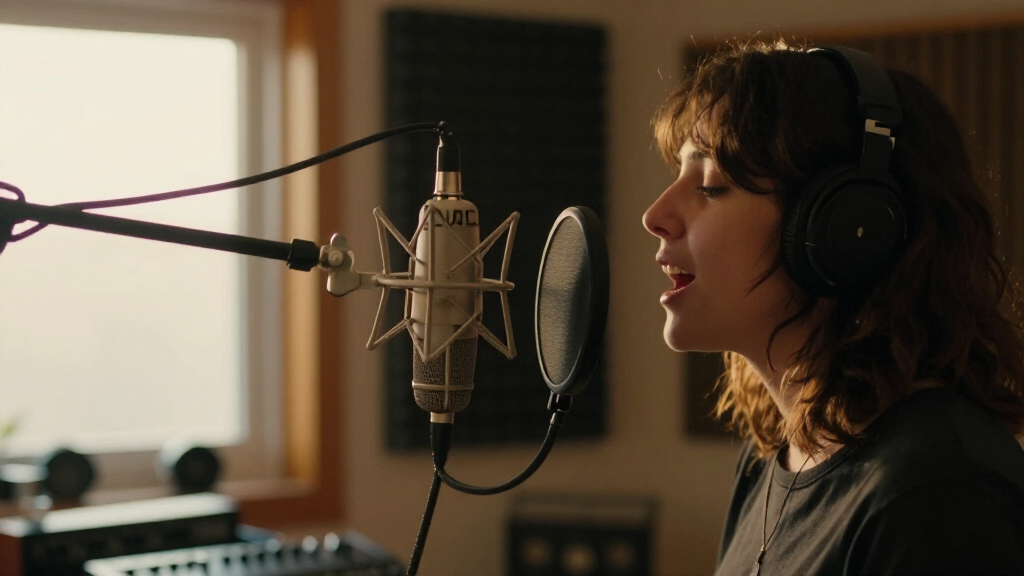

Searching for the best studio condenser microphones in 2026? The top choice for overall performance is the RØDE NT1 Signature Series, known for its low self-noise and warm sound. The Audio-Technica AT2035 stands out for its versatility and included accessories, making it a solid mid-range pick. Meanwhile, the Shure SM4 offers durability and excellent vocal clarity, ideal for serious recording setups. Buyers often face tradeoffs between price, sound quality, and ease of use. Continue reading to find the detailed breakdown that will help you select the ideal microphone for your needs.
Complete the kit
Key Takeaways
- The top-rated microphones combine low self-noise with high sensitivity, crucial for professional-quality recordings.
- Built-in accessories like shock mounts and pop filters add value but can also increase overall cost.
- XLR models generally offer better sound quality and expandability compared to USB options, though they may be less beginner-friendly.
- Price correlates with features—more expensive mics tend to have better noise floors and durability, but some budget options still deliver solid sound.
- Choosing the right polar pattern and connectivity options is key to matching your recording environment and workflow.
| AKG Pro Audio P120 Condenser Microphone |  | Best Overall for Versatile Studio and Live Use | Polar Pattern: Cardioid | Frequency Bandwidth: 20 – 20000 Hz | Max SPL: 150 dB | VIEW LATEST PRICE | See Our Full Breakdown |
| MAONO A04 Gen2 XLR/USB Condenser Microphone Kit for PC and Content Creation |  | Best Value Pick for Flexibility and Content Creators | Connectivity: XLR and USB | Sampling Rate: 192kHz/24bit | Frequency Response: 30Hz-16kHz | VIEW LATEST PRICE | See Our Full Breakdown |
| Audio-Technica AT2035 Cardioid Condenser Microphone with Shock Mount and Accessories |  | Best for Professional-Grade Studio Recording | Connectivity Technology: XLR | Audio Sensitivity: 33 dB | Switchable Features: High-pass filter and pad | VIEW LATEST PRICE | See Our Full Breakdown |
| XLR Condenser Microphone with Desktop Stand for Vocals and Podcasting |  | Best for Podcasting and Streaming Beginners | Power: 48V phantom power required | Max SPL: 130dB | Included accessories: Stand, shock mount, pop filter | VIEW LATEST PRICE | See Our Full Breakdown |
| Audio-Technica AT2020 Cardioid Condenser Studio XLR Microphone |  | Best Budget for Home and Project Studios | Type: Condenser | Polar Pattern: Cardioid | Output Connector: 3-pin XLRM | VIEW LATEST PRICE | See Our Full Breakdown |
| RØDE NT1 Signature Series Large-Diaphragm Condenser Microphone with Shock Mount, Pop Filter, and XLR Cable (Black) |  | Best Overall for Professional Studio Voice and Music Recording | Type: Large-diaphragm cardioid condenser microphone | Capsule Size: 1 inch | Frequency Response: Smooth | VIEW LATEST PRICE | See Our Full Breakdown |
| Shure SM4 XLR Studio Condenser Microphone Kit for Recording |  | Best for Versatile and Durable Studio Recording | Type: Condenser Microphone | Polar Pattern: Cardioid | Maximum SPL: 140dB | VIEW LATEST PRICE | See Our Full Breakdown |
| Mackie EM-Series Large-Diaphragm Condenser Microphone (EM-91C) |  | Best Budget-Friendly Microphone for Home and Small Studios | Type: Condenser microphone | Polar pattern: Cardioid | Includes: Shock mount, XLR cable | VIEW LATEST PRICE | See Our Full Breakdown |
| studio condenser microphone | Polar Pattern | Type |
|---|---|---|
| AKG Pro Audio P120 Condenser M | Cardioid | — |
| MAONO A04 Gen2 XLR/USB Condens | — | — |
| Audio-Technica AT2035 Cardioid | — | — |
| XLR Condenser Microphone with | — | — |
| Audio-Technica AT2020 Cardioid | Cardioid | Condenser |
| RØDE NT1 Signature Series Larg | — | Large-diaphragm cardioid condenser microphone |
| Shure SM4 XLR Studio Condenser | Cardioid | Condenser Microphone |
| Mackie EM-Series Large-Diaphra | Cardioid | Condenser microphone |
More Details on Our Top Picks
AKG Pro Audio P120 Condenser Microphone
The AKG P120 stands out for its high SPL handling and clear sound, making it a reliable choice for capturing loud instruments or vocals without distortion. Compared to the Audio-Technica AT2035, it offers a straightforward cardioid pattern without additional switches, which simplifies setup but limits tonal flexibility. Its durable build ensures longevity in both studio and live environments, though it lacks a shock mount and requires phantom power. This model works best for those needing a robust, all-round condenser that can handle a variety of sources without fuss.
Pros:- High SPL handling allows capturing loud sources without distortion
- Clear, accurate sound reproduction
- Durable construction for long-term use
- Compatible with most audio interfaces
Cons:- Requires phantom power, adding to setup complexity
- Limited to cardioid pattern, reducing versatility in stereo setups
Best for: Intermediate musicians and home studio owners seeking a dependable all-purpose microphone
Not ideal for: Content creators who need USB connectivity or built-in monitoring, as it only accepts phantom power and lacks USB support
- Polar Pattern:Cardioid
- Frequency Bandwidth:20 – 20000 Hz
- Max SPL:150 dB
- Diaphragm Size:2/3 inch
- Equivalent Noise Level:19 dB-A
- Preattenuation Pad:-20 dB
Our verdict“This microphone is well-suited for users who need a robust, versatile condenser for both studio and live scenarios without extra features they won’t use.”
MAONO A04 Gen2 XLR/USB Condenser Microphone Kit for PC and Content Creation
The MAONO A04 Gen2 is designed for versatility, offering both XLR and USB connections, making it ideal for streamers and podcasters who want a single microphone for multiple setups. Its professional sound quality at 192kHz/24bit surpasses many entry-level options like the Audio-Technica AT2020, especially with noise reduction and software customization. While the included accessories enhance its usability, the absence of an XLR cable and the need for phantom power in XLR mode can be inconvenient. It’s a smart pick for creators who prioritize convenience and high-resolution audio but are willing to assemble their setup carefully.
Pros:- Dual XLR and USB connectivity for maximum flexibility
- High-resolution 192kHz/24bit sampling for professional sound
- Includes comprehensive accessories like pop filter and shock mount
- Effective noise reduction features
Cons:- XLR cable not included, adding extra cost
- Requires phantom power for XLR mode, complicating setup
Best for: Content creators and streamers seeking a flexible, high-quality microphone with minimal setup fuss
Not ideal for: Users preferring a fully USB solution with no need for external power or additional equipment, as it requires phantom power for XLR operation
- Connectivity:XLR and USB
- Sampling Rate:192kHz/24bit
- Frequency Response:30Hz-16kHz
- Capsule Size:16mm
- Included Accessories:Pop filter, shock mount, boom arm
- Compatibility:Laptop, PC, PS4/PS5, mobile
Our verdict“Perfect for creators who want a versatile, high-quality microphone that adapts easily to different recording environments and devices.”
Audio-Technica AT2035 Cardioid Condenser Microphone with Shock Mount and Accessories
The Audio-Technica AT2035 offers a significant upgrade in sound quality with its large diaphragm and natural, smooth tone, making it ideal for serious studio work. Its switchable high-pass filter and pad provide valuable tone-shaping options compared to the simpler AT2020. While it excels in capturing vocals and instruments with clarity, it requires an XLR connection and external power, which makes it less portable and more complex to set up. This mic is best suited for those who need a professional-grade tool and are comfortable with a wired, powered setup.
Pros:- Excellent sound quality with natural, smooth tone
- Versatile with high SPL handling and tone-shaping switches
- Includes shock mount and protective pouch for durability
- Durable, professional build
Cons:- Requires XLR connection and phantom power, limiting portability
- Overkill for casual or beginner users
Best for: Home studio owners and semi-professionals needing a high-performance, versatile condenser microphone
Not ideal for: Beginners or casual users who prefer USB microphones or need a plug-and-play setup, as it requires external power and XLR cabling
- Connectivity Technology:XLR
- Audio Sensitivity:33 dB
- Switchable Features:High-pass filter and pad
- Includes:Shock mount, pouch
- Color:Black
- Power Source:External phantom power
Our verdict“This microphone is tailored for those who want studio-quality sound and are prepared for a professional setup.”
XLR Condenser Microphone with Desktop Stand for Vocals and Podcasting
This condenser microphone is a solid choice for newcomers to podcasting or streaming, offering a cardioid pattern that minimizes background noise and focuses on vocal clarity. The included desktop stand and shock mount simplify setup, making it accessible for those setting up a home studio. Its high SPL capacity keeps it from distorting on loud vocals or instruments. However, it’s bulky, requiring an external audio interface with 48V phantom power, which might be a hurdle for casual users. Compared to models like the AKG P120, this mic offers more included accessories but less portability.
Pros:- Focused cardioid pattern reduces background noise
- Includes desktop stand, shock mount, and pop filter
- Handles high SPLs without distortion
- Easy to set up with all essential accessories
Cons:- Requires external interface with phantom power, increasing cost and complexity
- Bulkier desktop setup takes more space
Best for: Beginner podcasters and streamers establishing a dedicated studio space
Not ideal for: Mobile content creators or those seeking a USB-powered microphone, due to the need for an external interface and phantom power
- Power:48V phantom power required
- Max SPL:130dB
- Included accessories:Stand, shock mount, pop filter
- Connectivity:XLR
- Application:Vocals, podcasting
Our verdict“This mic offers a straightforward, comprehensive package for beginners ready to build a dedicated recording space.”
Audio-Technica AT2020 Cardioid Condenser Studio XLR Microphone
The Audio-Technica AT2020 offers strong value for entry-level and budget-conscious users who need reliable studio recordings. Its cardioid pattern minimizes background noise effectively, and its high SPL handling makes it versatile for various sources. Unlike the AT2035, it lacks tone-shaping switches but remains a solid choice for those starting out or upgrading from consumer mics. Its XLR connection limits portability but ensures a professional sound quality at a lower cost, making it ideal for basic home setups.
Pros:- Excellent sound quality for the price
- Reduces background noise with cardioid pattern
- High SPL handling for diverse sources
- Ideal for project and home studio use
Cons:- Requires phantom power, adding setup steps
- No onboard features or switches for tone control
Best for: Beginners and hobbyists building their first home studio
Not ideal for: Professional studios or users seeking USB convenience, as it requires external power and XLR cabling
- Type:Condenser
- Polar Pattern:Cardioid
- Output Connector:3-pin XLRM
- Application:Studio, Home Studio
- Color:Black
Our verdict“This microphone is a reliable, affordable option for those starting their recording journey with a focus on quality and simplicity.”
RØDE NT1 Signature Series Large-Diaphragm Condenser Microphone with Shock Mount, Pop Filter, and XLR Cable (Black)
The RØDE NT1 stands out for its exceptionally low noise floor of just 4dBA, making it a top choice for capturing vocals and acoustic instruments with clarity. Unlike the Mackie EM-91C, which offers great value but less refinement, the NT1’s true 1-inch capsule and smooth frequency response deliver a richer, more detailed sound. Its included shock mount, pop filter, and XLR cable make it a complete package for serious studio environments, though its larger size and higher price point may deter those with limited space or budgets. This microphone is ideal for professionals seeking the best audio fidelity without compromise, especially in music and high-end podcasting. However, its need for phantom power and bulkier build could be drawbacks for mobile setups or compact studios.
Pros:- Exceptional low noise level for pristine recordings
- Includes studio-grade shock mount, pop filter, and XLR cable
- High sensitivity captures subtle nuances in vocals and instruments
Cons:- Higher cost compared to entry-level microphones
- Requires phantom power to operate
- Bulkier size may be challenging in small setups
Best for: Professional musicians, vocalists, and content creators who prioritize ultra-low noise and high-fidelity recordings.
Not ideal for: Beginners or hobbyists with limited budgets or space, as it requires phantom power and is physically larger.
- Type:Large-diaphragm cardioid condenser microphone
- Capsule Size:1 inch
- Frequency Response:Smooth
- Sensitivity:High
- SPL Handling:Extremely high
- Noise Level:4dBA
Our verdict“This model makes the most sense for professionals seeking top-tier sound quality and comprehensive accessories.”
Shure SM4 XLR Studio Condenser Microphone Kit for Recording
The Shure SM4 offers a balanced blend of professional sound quality and sturdy design, making it suitable for both studio and stage. Compared with the Mackie EM-91C, which emphasizes affordability, the SM4’s all-metal construction and superior noise rejection provide a more reliable recording experience in demanding environments. Its dual-diaphragm capsule ensures natural, detailed sound reproduction, particularly beneficial for vocal and instrument recordings that require clarity. While it lacks a specified frequency response and has no included accessories, its rugged build and interference shielding help prevent unwanted noise. This microphone is ideal for users who need a durable, high-quality condenser for versatile applications, though it may be overkill for simple home setups or those on tight budgets.
Pros:- Excellent sound with smooth, detailed reproduction
- Durable all-metal construction for longevity
- Superior noise rejection and interference shielding
Cons:- No specified frequency response range
- Price not listed, making affordability assessment difficult
- Requires additional XLR equipment for some setups
Best for: Enthusiasts and professionals needing a durable, interference-resistant condenser for both studio and live recording.
Not ideal for: Beginners or casual content creators without additional equipment, as it requires XLR connections and lacks bundled accessories.
- Type:Condenser Microphone
- Polar Pattern:Cardioid
- Maximum SPL:140dB
- Build:All-metal
- Included Accessories:Pop filter, Shock mount, Brass stand adapter, Carrying case
Our verdict“This microphone suits those who need a resilient, high-performance condenser capable of handling versatile recording environments.”
Mackie EM-Series Large-Diaphragm Condenser Microphone (EM-91C)
The Mackie EM-91C offers a practical entry into professional-quality recording, especially for those on a tighter budget. Its cardioid pattern provides focused sound pickup, while its included shock mount and XLR cable add convenience. Compared with the RØDE NT1, which excels in ultra-low noise and detail, the EM-91C delivers respectable sound at a fraction of the price, making it ideal for hobbyists or small studio setups. However, its specifications are more limited, and it’s strictly suited for studio use, not live applications. This microphone’s affordability and included accessories make it a compelling choice for beginners and home users, but it might fall short in demanding professional environments where detail and noise floor matter more.
Pros:- Affordable price for professional-quality sound
- Includes essential accessories like shock mount and XLR cable
- Suitable for a variety of studio recording tasks
Cons:- Limited to studio use, not ideal for live settings
- Lacks detailed specs like frequency response
- Performance may be limited in very high-end recording scenarios
Best for: Home studio owners, beginners, or content creators looking for an affordable yet reliable condenser microphone.
Not ideal for: Advanced professionals or those needing the highest sound fidelity and low noise performance for critical recordings.
- Type:Condenser microphone
- Polar pattern:Cardioid
- Includes:Shock mount, XLR cable
Our verdict“This microphone makes a strong case for entry-level users who want decent sound without breaking the bank.”
How We Picked
These microphones were selected based on their overall recording performance, build quality, usability, and value for different user levels. We prioritized models with proven sound quality, low self-noise, and durability, especially for studio environments. Ease of setup and included accessories also played a role, along with versatility for various recording scenarios like vocals, podcasts, or instruments. The ranking reflects a balance between price and performance, ensuring options for beginners, semi-pros, and professionals alike.| studio condenser microphone | Type |
|---|---|
| AKG Pro Audio P120 Condenser M | — |
| MAONO A04 Gen2 XLR/USB Condens | — |
| Audio-Technica AT2035 Cardioid | — |
| XLR Condenser Microphone with | — |
| Audio-Technica AT2020 Cardioid | Condenser |
| RØDE NT1 Signature Series Larg | Large-diaphragm cardioid condenser microphone |
| Shure SM4 XLR Studio Condenser | Condenser Microphone |
| Mackie EM-Series Large-Diaphra | Condenser microphone |
Factors to Consider When Choosing Studio Condenser Microphones
Choosing the right studio condenser microphone involves understanding key factors that impact your recording quality and workflow. While high-end features matter, it’s equally important to consider your specific use case, budget, and environment. Making the wrong choice can lead to unnecessary costs or subpar recordings, so this guide highlights critical aspects to keep in mind before making a purchase.Sound Quality and Self-Noise
Sound clarity and low self-noise are the foundation of a good condenser microphone. Low self-noise ensures recordings are free from background hiss, which is especially important in quiet studio settings. Look for mics with a high signal-to-noise ratio and a flat frequency response for natural sound reproduction. Cheaper models often compromise on these aspects, so investing in a mic with solid specs can significantly improve your recording quality.
Connectivity and Compatibility
Deciding between XLR and USB microphones shapes your setup and budget. XLR mics generally provide better sound quality and more control options, but require an audio interface and some technical setup. USB microphones are plug-and-play, ideal for beginners or quick setups, but may lack the same level of audio fidelity or expandability. Consider your current gear and future plans to choose the best connectivity for your needs.
Build Quality and Durability
Studio microphones are an investment, so durability counts. Look for models with sturdy construction and included accessories like shock mounts and pop filters that protect your mic and improve sound quality. Cheaper options might feel flimsy or lack these extras, increasing the risk of damage or subpar recordings over time. A well-built mic can save money in the long run and ensure consistent performance.
Size and Design
Size matters if you have limited space or need portability. Large-diaphragm condensers often deliver richer sound for vocals, while smaller models may be better suited for tight spaces or multi-mic setups. Consider how the microphone’s physical dimensions fit your studio environment and whether you’ll need a desk stand or boom arm. A compact design can be easier to position but might compromise on some sound characteristics.
Price and Value
Budget influences feature availability, build quality, and sound performance. While premium models offer superior noise floors and durability, budget-friendly options can still provide decent quality for streaming, podcasting, or hobbyist recording. Balance your expectations with what you’re willing to spend; sometimes, investing a bit more yields significant improvements, especially if you plan to record professionally.
Additional Features to Consider
Features like multiple polar patterns, high SPL handling, and included accessories add flexibility and value. Multiple polar patterns allow for versatile recording environments, while high SPL handling is essential for recording loud sources like drums or guitar amps. Think about your typical recording scenarios and choose a microphone that aligns with those needs to avoid compromises later.
Frequently Asked Questions
Is a USB condenser microphone good enough for professional studio recording?
While USB microphones are convenient and often sufficient for hobbyist or streaming purposes, they generally do not match the audio fidelity of high-quality XLR models used in professional studios. For serious recording, an XLR setup with a dedicated audio interface offers better sound quality, more control, and greater expandability. However, for starting out or simple projects, a good USB condenser can deliver impressive results without complex gear.
Do I need a shock mount and pop filter for my condenser microphone?
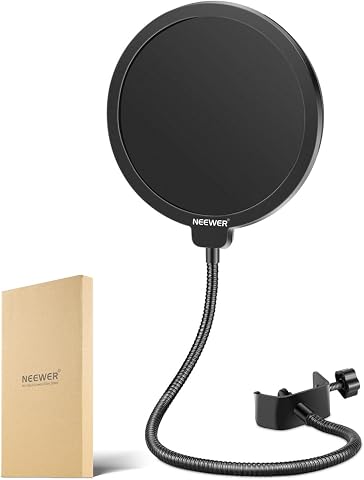
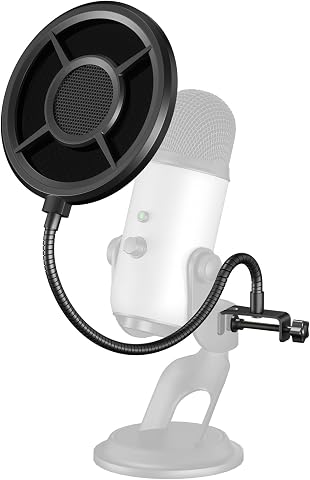
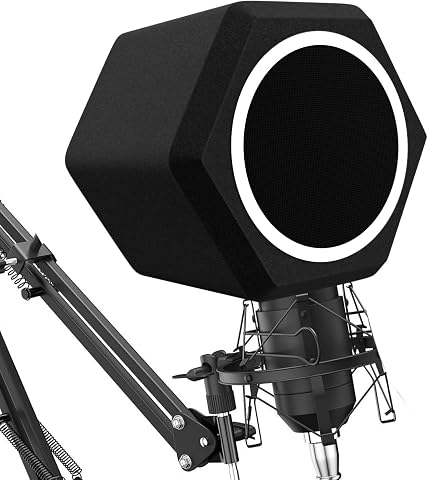
Yes, both accessories help improve your recordings. A shock mount isolates the microphone from desk vibrations and handling noise, ensuring cleaner audio. A pop filter reduces plosive sounds from speech or singing, preventing unwanted bursts of air from hitting the capsule. Many quality microphones come with these accessories or have compatible options, making them valuable investments for professional sound quality.
How important is polar pattern selection in a studio condenser microphone?
Polar pattern choice directly affects how a microphone picks up sound from different directions. Cardioid patterns are most common for vocals, as they focus on sound in front and reject noise from sides and rear. Omnidirectional or figure-eight patterns are useful for specific recording scenarios, like capturing room ambiance or multiple sources. Selecting the right pattern helps control room noise and improves overall recording clarity.
Should I prioritize a microphone with more features or just focus on sound quality?
While sound quality is paramount, additional features like multiple polar patterns, high SPL handling, and included accessories can enhance your recording experience and versatility. For beginners, simplicity might be better, but as your skills grow, having flexible options becomes valuable. Balance your current needs with future possibilities to avoid outgrowing your mic too quickly.
Is it worth spending more on a studio condenser microphone?
Investing in a higher-priced microphone often results in lower self-noise, better build quality, and more consistent performance. Such microphones are designed for professional use, capturing detail and nuance that budget models might miss. If you’re serious about your recordings or aiming for professional results, spending more can provide substantial long-term benefits, though there are also affordable options that perform admirably for casual or semi-pro use.
Conclusion
For those just starting out or on a tight budget, the Audio-Technica AT2020 offers reliable sound without breaking the bank. Content creators and streamers will appreciate the MAONO A04 Gen2 for its versatility and ease of use. Professionals seeking the best overall sound and durability should consider the RØDE NT1 Signature Series, while those prioritizing premium features and build quality might lean toward the Shure SM4. Each buyer type can find a suitable option within this list, tailored to their specific needs and experience level.